Skip to content
In an emergencyAustriaEmergency numbers →
SurviveBetter
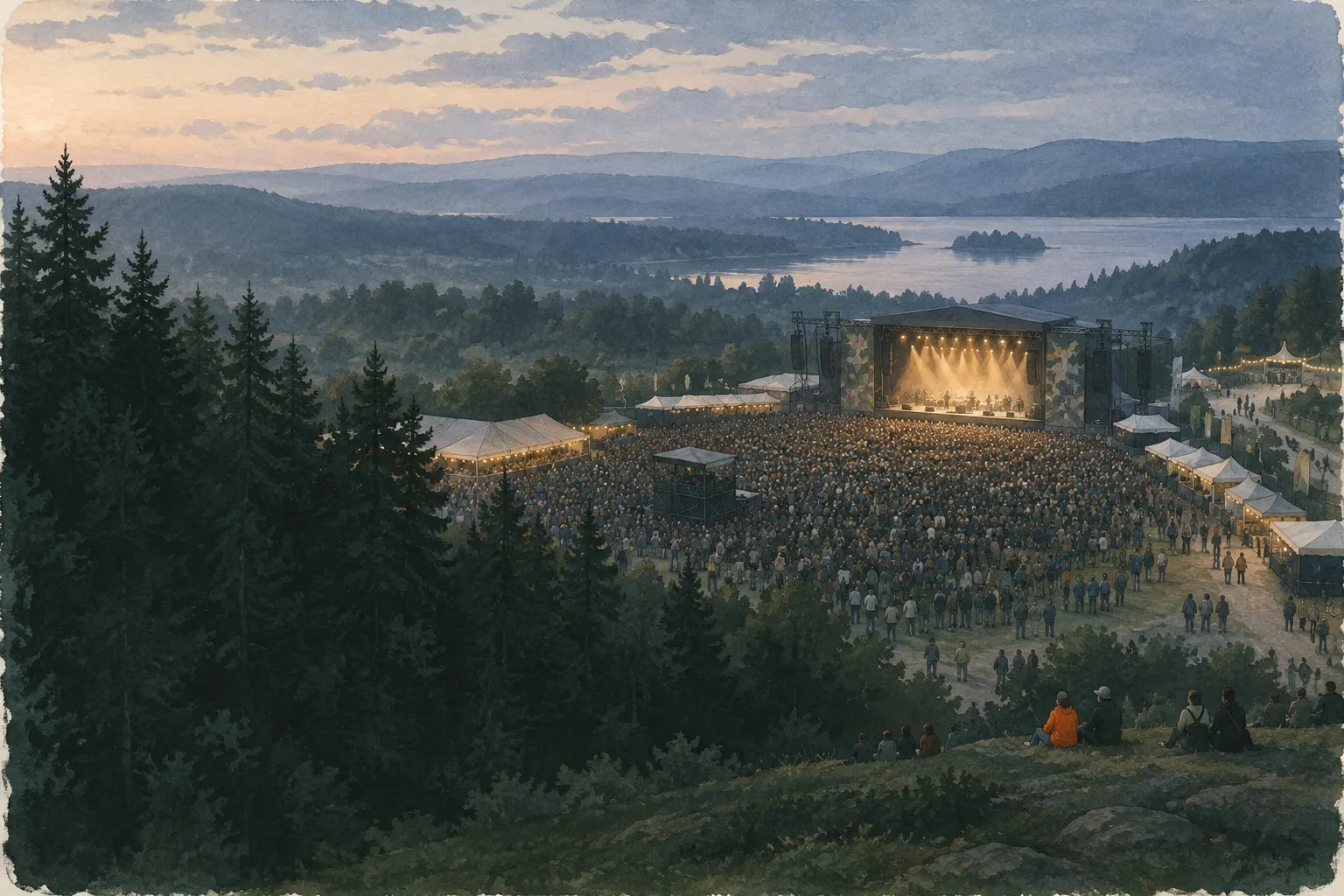
Dense crowd before a stage at dusk with open edges and exits visible

The crowd around me is getting dangerously dense

At a concert, festival or on a platform the crowd becomes so dense that you can no longer move freely and are pushed along by surges.

First

  1. React early: move diagonally across the flow towards the edge; do not fight against it.
  2. Keep your arms bent in front of your chest to protect breathing space; stay calm and save strength.
  3. Follow stewards' instructions and announcements; avoid bottlenecks, stairs and barriers.
  4. If someone falls or cannot breathe: alert stewards and call the local emergency number (112 in the EU).

Call emergency services if

  • Someone has fallen, is trapped or cannot breathe
  • Unconsciousness or no normal breathing
  • Injured people after the crush
  • A child is missing

What is happening

A crush often develops gradually: more people stream into an area than can leave it – in front of a stage, at an exit, on stairs or in a narrow street. At first you can still move sideways. Then people touch you on all sides, you can no longer move your arms freely, and the crowd starts to sway back and forth in waves.

Beyond a certain point you no longer move yourself – you are moved. Pressure from behind, which people further back are often unaware of, is transmitted forwards. Most deaths in such disasters happen because people – often while standing – are compressed so strongly that they can no longer breathe, not primarily because of trampling.

People often speak of “mass panic”, but the cause is usually too high a density at bottlenecks, not people losing their heads. Many people in a crush behave helpfully. The typical individual mistake is staying too long – because the band is about to come on, because you do not want to give up your spot, or because you do not recognise the warning signs.

What matters: take warning signs seriously early and leave the area while you still can; move diagonally with the flow towards the edge rather than against it; protect your breathing space with bent arms; stay on your feet; and alert stewards and the emergency number if someone falls or cannot breathe.

Step by step

  1. Phase 1

    At the first warning signs

    • Recognise the warning signs: you are constantly touching others, can no longer walk freely or move your arms, the crowd is swaying.
    • Leave now – do not wait to see whether it gets better.
    • Head for the edge or open space, away from the stage, exits, stairs and barriers.
    • Briefly tell your group and name a meeting point in case you get separated.
  2. Phase 2

    In the middle of the crush

    • Keep your arms bent in front of your chest, like a boxer, to protect your breathing space.
    • Do not fight the pressure; go with it and step diagonally towards the edge in the pauses between surges.
    • Feet shoulder-width apart, knees slightly bent, to stand stable.
    • Breathe calmly and save strength – screaming costs air and energy.
    • Do not pick up anything you drop – phones and bags can be replaced.
  3. Phase 3

    If you or someone else falls

    • If you fall: try to get up again immediately.
    • If you cannot: lie on your side, curl up, protect your head with your arms and get up at the next gap.
    • If someone next to you falls: pull them up if you can and draw attention to the spot loudly.
    • Alert stewards and call the local emergency number (112 in the EU) if someone does not get up or cannot breathe.
  4. Phase 4

    Afterwards

    • Go to the agreed meeting point and stay reachable; report missing people to stewards or police.
    • Do not push back against the flow to search for others.
    • Anyone with severe chest or breathing problems, or who briefly lost consciousness, needs medical help.
    • Only move injured people if they are in acute danger; if a spinal injury is suspected, leave them lying and get help.
    • Distressing images and sleep problems are common afterwards; talking helps, and if problems persist, seek support.

What to watch out for

  • Bottlenecks, stairs, barriers

    At exits, stairs, crowd barriers and walls the pressure can pin you or bring you down. Keep away from them as long as you can.

  • Waves in the crowd

    If the crowd sways visibly back and forth or you are pushed several steps against your will, the density is dangerously high. That is the signal to leave the area.

  • Pressure from behind is invisible

    People further back often do not notice what is happening at the front. If you are at the back and hear screams or see hands going up at the front: do not push forward – make space.

  • Announcements and stewards

    Stewards and announcements often have a better overview than you do. Follow their instructions, even if they lead you away from where you wanted to go.

  • Heat, alcohol and exhaustion

    Heat, too little to drink and alcohol weaken you and make falls more likely. At long events in particular, plan breaks at the edge.

Common mistakes

  • Staying despite warning signs to keep a good spot.
  • Fighting against the flow or pushing back through the crowd.
  • Bending down for dropped belongings.
  • Holding on to barriers, walls or pillars where you can be pinned.
  • Carrying small children on your shoulders through a very dense crowd, where a fall endangers you both.
  • Going into the crowd without a meeting point.

Prepare in advance

  • On arrival look at the exits, emergency exits and first-aid posts.
  • Agree on a meeting point that is not in the densest area.
  • Stand towards the edge rather than at the front of the stage or in the middle.
  • Arrive early or leave a little later to avoid the peaks at entry and exit.
  • Charge your phone, drink water and largely avoid alcohol.
  • Give children a phone number and a meeting point.

Special consideration

Children and short people
Children and shorter people are the first to run out of air and cannot see anything in a crush. With children, avoid very dense areas altogether and leave early.
Wheelchair users and limited mobility
Many events have dedicated areas or routes for people with disabilities. Use them and ask stewards about the evacuation route as soon as you arrive.

Sources

  • Introduction to Crowd Science · G. Keith Still – CRC Press, 2014
  • 112 – the European emergency number · European Commission
  • Psychological first aid: Guide for field workers · World Health Organization, War Trauma Foundation and World Vision International, 2011

Your situation

Situation
With you

Matching entries

0 rules apply

No AI decides here. Every recommendation is based on a visible rule.

Add details about your situation above to get more specific guidance.

Basics for this situation

Why: Always applies to this situation – regardless of your answers.

All rules of this situation (5)
  1. [not active] If Situation = It is getting tighter

    Leave now while you still can. Hesitating only makes it harder to get out of the crowd.

  2. [not active] If Situation = Surging, being pushed along

    Go with the flow and use pauses between surges to step sideways towards the edge. Staying on your feet matters more than belongings.

  3. [not active] If Situation = Out, group separated

    Go to the agreed meeting point, inform stewards or police about missing people and stay reachable.

  4. [not active] If With you = Children

    Hold children firmly by the hand or pick them up if that is safe. Give children a phone number and meeting point beforehand.

  5. [not active] If With you = Group of adults

    Set a meeting point in case you are separated; do not push back against the flow to search for others.