Family and household
Preparedness for everyone at home
Emergency planning that includes children, older relatives, people with disabilities and pets.
People at home
Preparing with children and pets
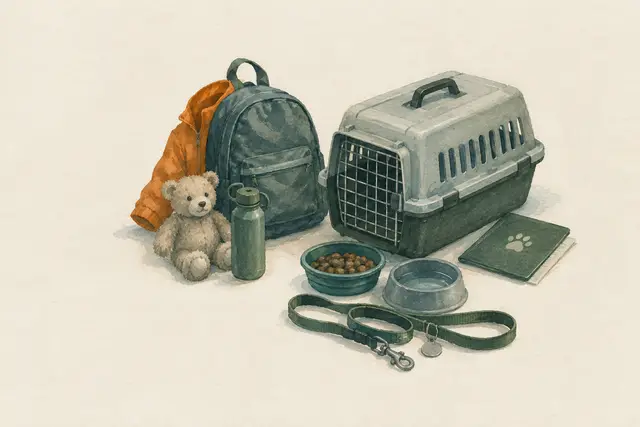
Children and pets depend on others in emergencies. Children should know, in an age-appropriate way, what happens in an emergency, how to call the emergency number and where to meet. For pets, preparedness includes food, water, a carrier, a leash, identification and vaccination records – and the question of where they can stay during an evacuation.
Emergency preparedness for babies and toddlers
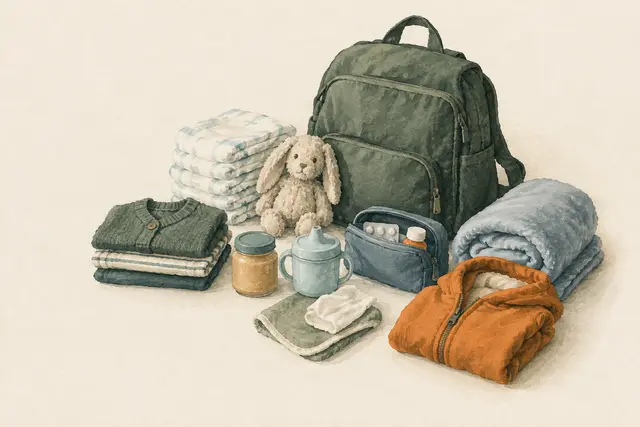
Babies and toddlers cannot do anything themselves and are sensitive to cold, heat, lack of fluids and unclean food. Their own emergency kit with food, nappies, hygiene items, clothing, medication and familiar things, plus a plan for feeding without power and running water, makes the difference.
Including older relatives and people in need of care
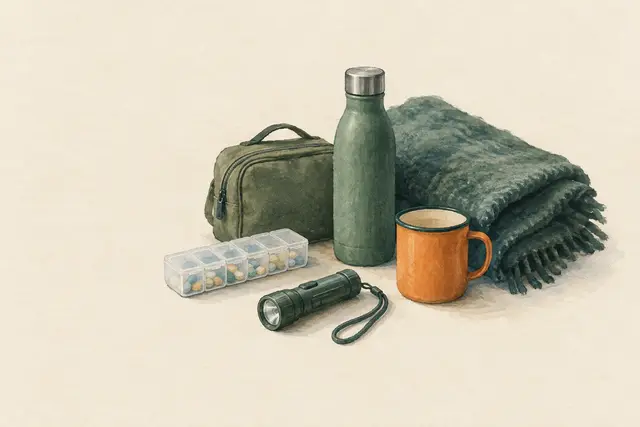
Older people are particularly at risk in heat, cold, power outages and evacuation – often because of medication, limited mobility or because they live alone. A joint plan with them, their care service and neighbours sets out who checks on them, which aids must come along and where to go in an emergency.
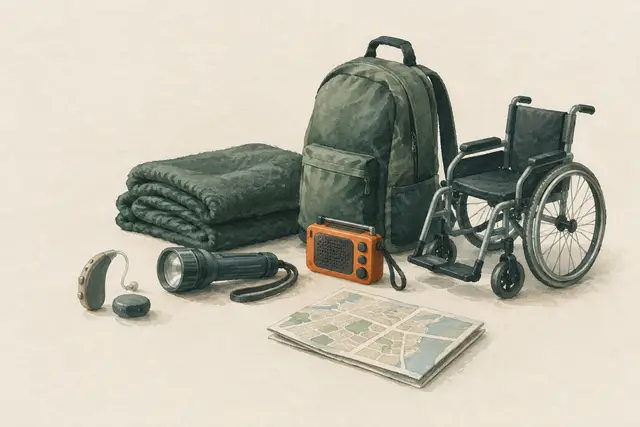
Emergency planning with people with disabilities
People with disabilities are the experts on their own needs. An emergency plan is therefore made together with them: how do warnings reach the person, which aids and assistance do they need, how do they get out of the building, and who belongs to their personal support network?
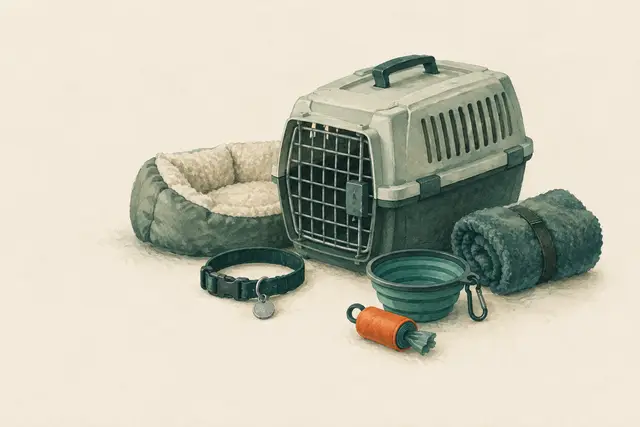
Evacuating with pets
If you leave, take your animals with you – animals left behind are at risk, and owners often take dangerous risks returning for them. To make this quick: get animals used to the carrier, keep identification up to date, clarify pet-friendly accommodation beforehand and leave early.
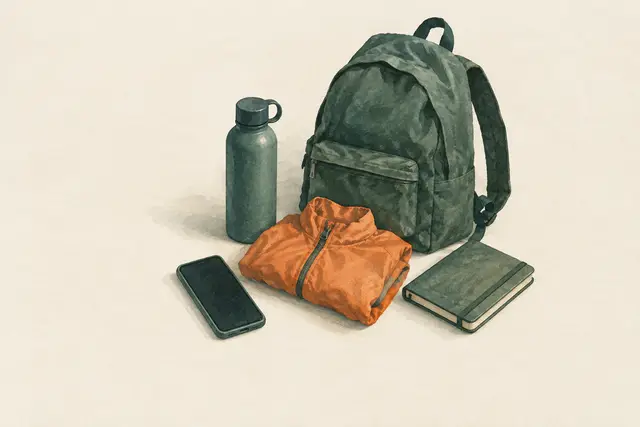
Teenagers in a crisis: independence with clear agreements
Teenagers are often out on their own when something happens – at school, on the bus, at friends'. Instead of just setting rules you plan with them: they know the family plan, have their own tasks, know when they may decide for themselves and when not, and have a way to check in even when their phone is dead.
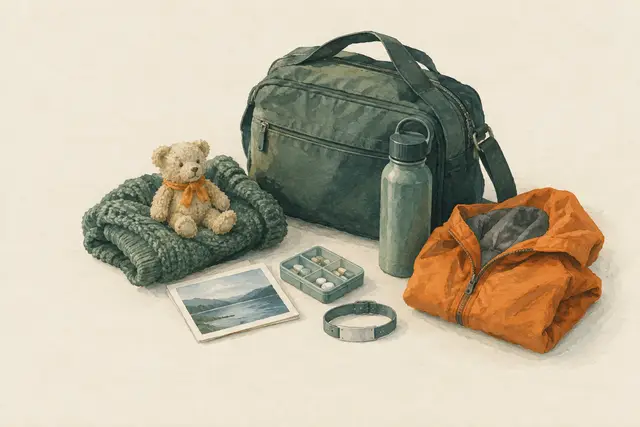
Supporting a person with dementia in a crisis
Noise, unfamiliar places and rush are especially distressing for people with dementia; during evacuations they may become confused or wander off. Preparedness means: information about the person at hand, medication and familiar items in the go bag, identification on the body, a plan for who accompanies them – and in the situation itself calm, simple sentences and closeness.
Pregnancy and emergencies: documents, routes, contacts
During pregnancy a lot in an emergency depends on medical records being at hand, the route to care being known even when there is disruption, and help being called quickly. This entry is planning only – medical questions are for the midwife or doctor.
Talking to children about preparedness – without causing fear
Children notice when adults stock up or talk about emergencies. A calm, age-appropriate conversation explains that preparedness is like a bike helmet: you hope you never need it, and are still glad to have it. The focus is on what the family can do – not on frightening scenarios.
Planned topics (5)
- Planning with children
- Infants
- Older relatives
- People with disabilities
- Pets
Emergency plan
Making a family emergency plan
An emergency plan sets out how the family is warned, where to meet, whom to contact and who picks up whom. Two meeting points – one near home, one outside the neighbourhood –, a contact person outside the region and a contact card for everyone are its core.
Securing important documents and copies
After a flood, fire or evacuation you need ID, insurance and bank papers, medical information and proof of ownership. A waterproof document folder with copies that is ready to grab in an emergency, plus a securely encrypted digital copy, makes starting over much easier.
Reunification: a plan for school, childcare and work
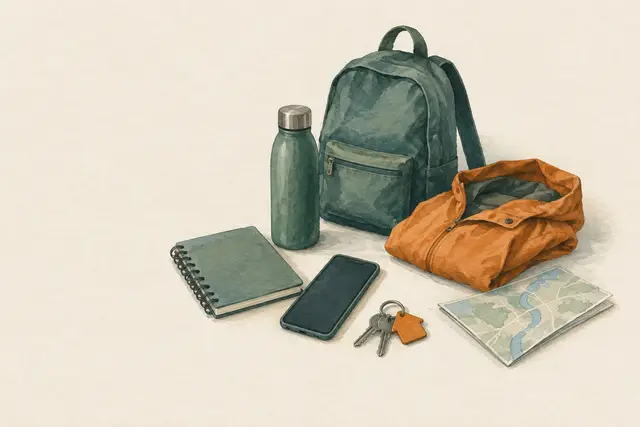
Emergencies often happen when the family is scattered. If you know the emergency rules of school, childcare and employer, have registered authorised pick-up people and agreed fixed meeting points, you get back together faster – and avoid dangerous journeys into chaos.
Practising emergency drills at home
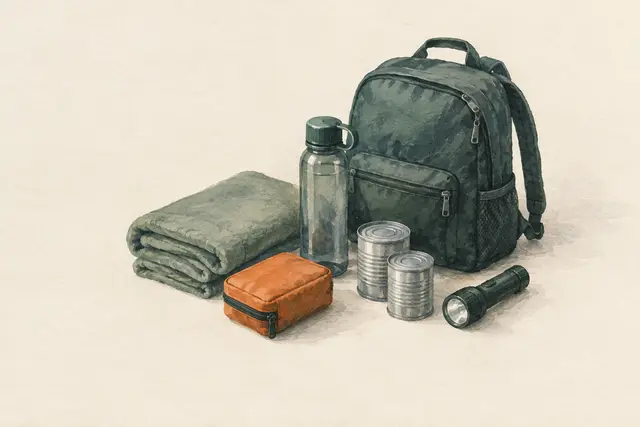
A plan nobody has practised rarely works under stress. Short, regular drills at home – escaping a fire, grabbing the go bag, sheltering in an earthquake or hazardous-substance warning, an evening without power – make procedures familiar, reveal gaps and take away children's fear.
Backing up documents digitally – encrypted
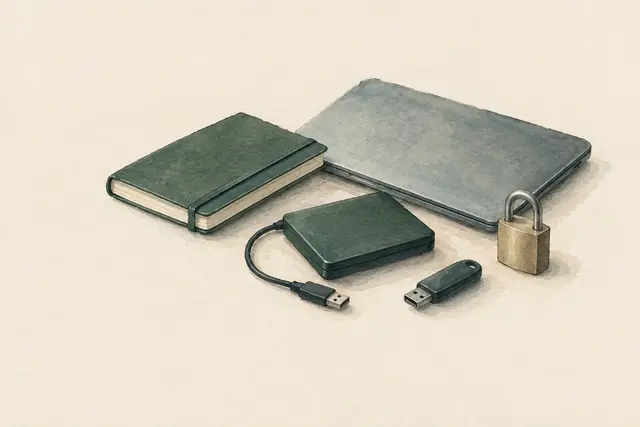
Paper copies can burn or get wet. An encrypted digital copy of important documents, stored in at least two places, makes a fresh start possible after a total loss. What matters is strong encryption, a safely kept password and regular tests.
A family code word for pick-ups and emergencies
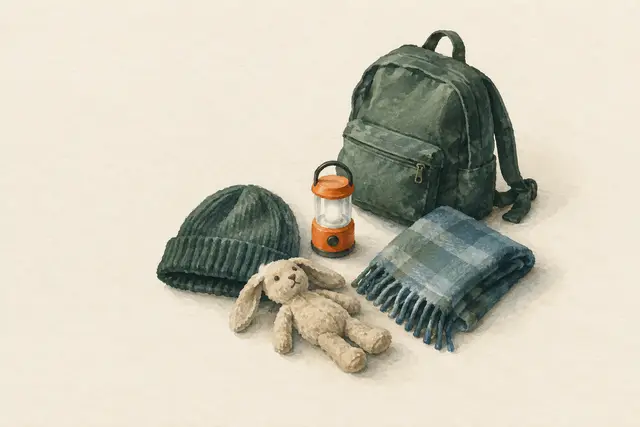
In a crisis the child may be picked up not by a familiar parent but by a neighbour or colleague. An agreed code word known only to the family and named trusted people helps the child recognise that the person was sent. It supplements – but does not replace – written pick-up authorisation at school and childcare.
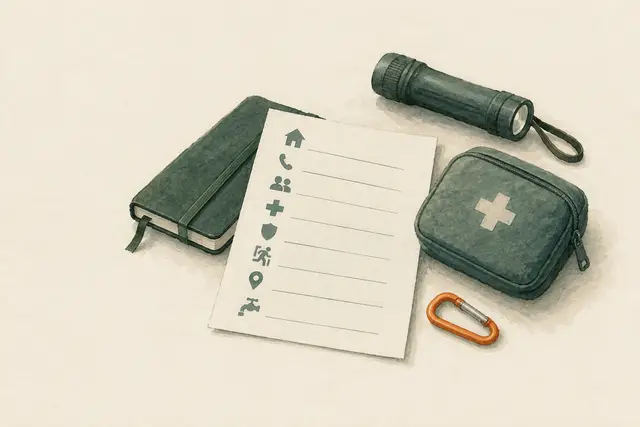
Emergency sheet for babysitters, guests and caregivers
Whoever is minding the children, caring for a relative or staying as a guest does not know the family's emergency plan. A one-page sheet in a fixed place – address, emergency number, contacts, allergies and medication, escape route, meeting point, shut-offs – makes them able to act within minutes.
Emergency planning for single parents
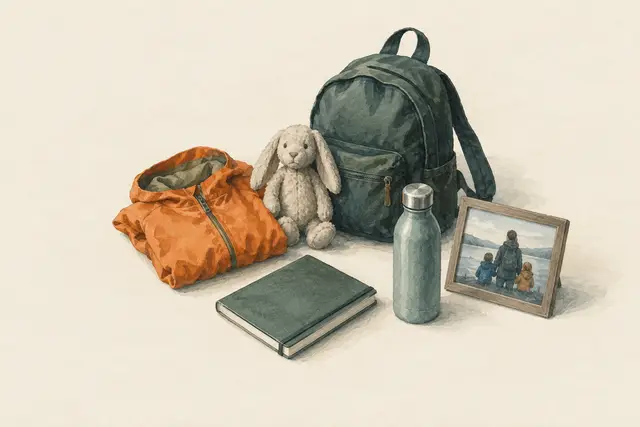
When there is only one adult in the household, the second person is missing in an emergency – for example if the parent is injured, ill or stuck somewhere. The core of the plan: a backup person who can take over the children, written agreements and children who know what to do if the parent suddenly cannot act.
Planned topics (4)
- Family communication
- Meeting points
- Emergency contacts
- Emergency folder
Household
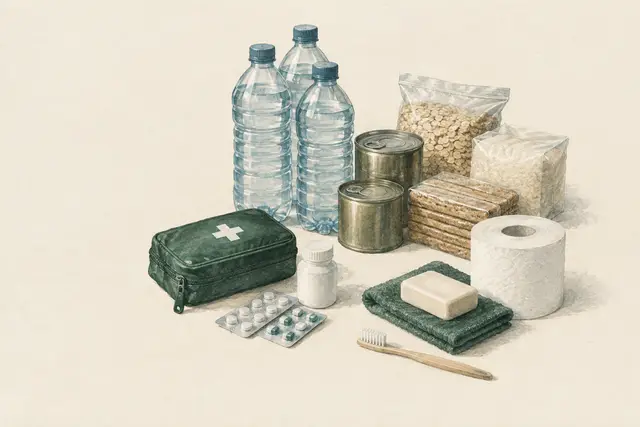
Household emergency supplies: the basics
An emergency stock of drinking water, non-perishable food, medication and hygiene supplies helps you bridge several days without shopping, power or water supply. National agencies say how much makes sense – for example the BBK in Germany or FEMA/Ready.gov in the USA. What matters is a stock that suits your own household and is renewed regularly.
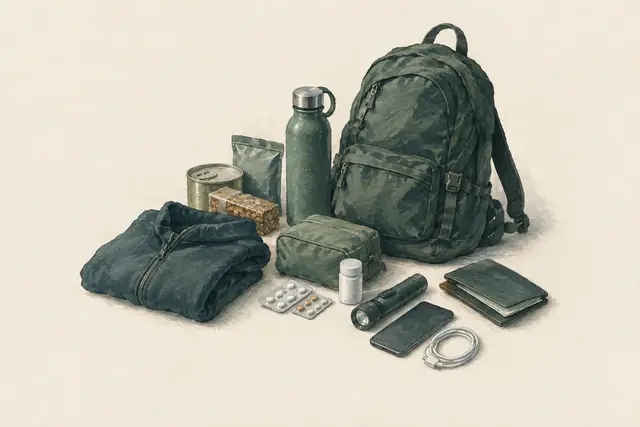
Packing a go bag (grab bag)
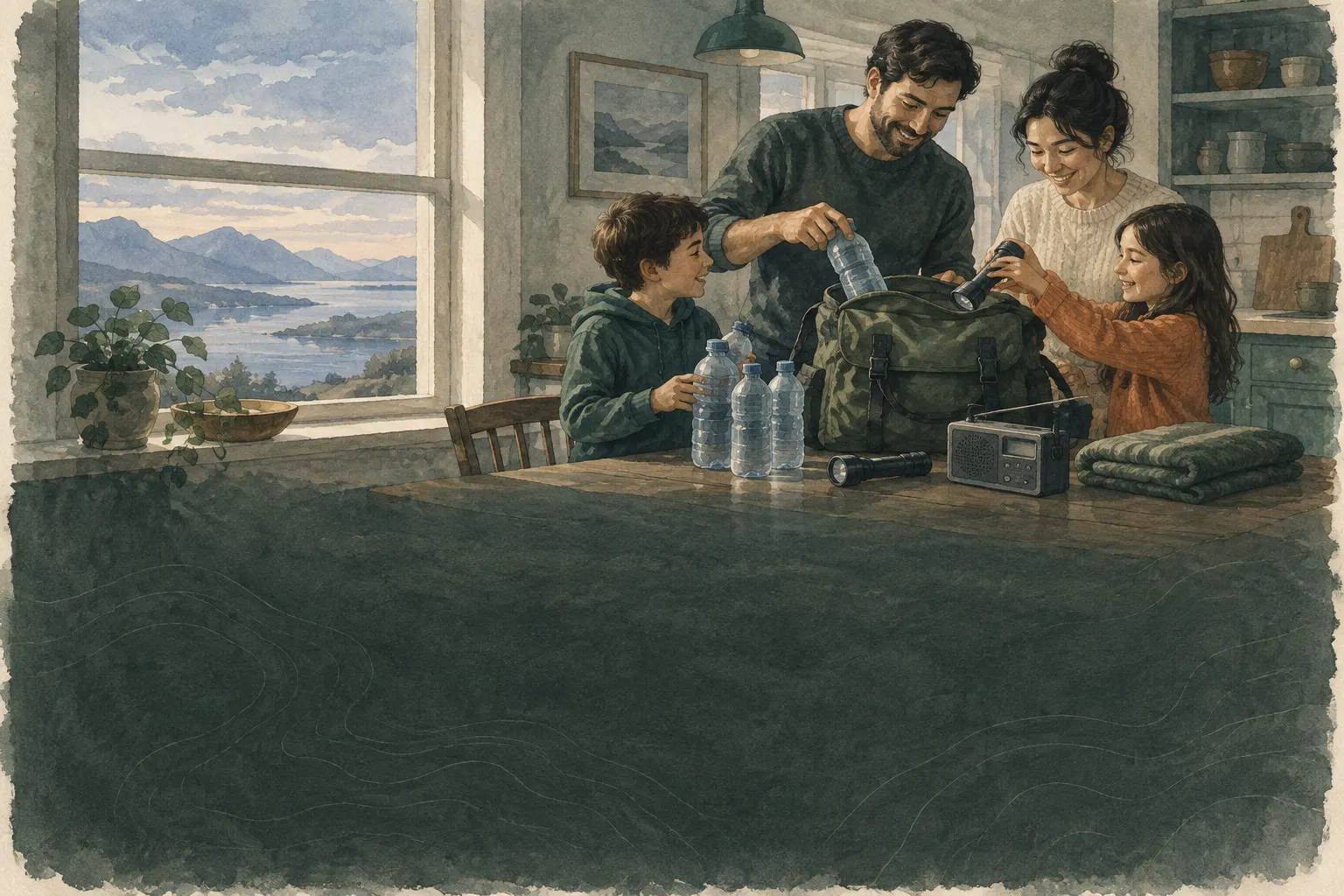
If you have to leave home at short notice – because of a flood, fire, gas leak or official evacuation – you often have only minutes. A prepared go bag per person contains the essentials for a few days: documents, medication, water, food, light, clothing and a charger. It must stay portable.

Household checklists by season
Preparedness stays alive when it is tied to fixed dates. Four short checklists – spring, summer, autumn, winter – combine maintenance (smoke alarms, batteries, supplies) with the risks of each season: heat, thunderstorms, storms, cold and snow.
Preparedness on a small budget, step by step
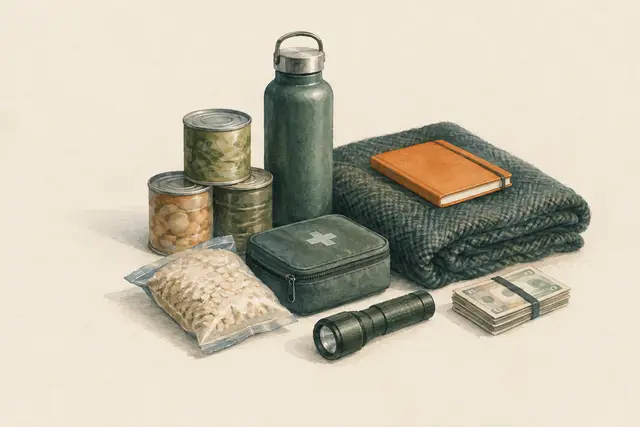
Preparedness does not have to be expensive. If you start with what is already at home, buy one or two extra items you eat anyway on each shopping trip and cover the most important areas first – water, medication, light, information – you build a solid stock over months. A small financial emergency fund belongs to it too.
Child safety in a power outage: light, heat, generators
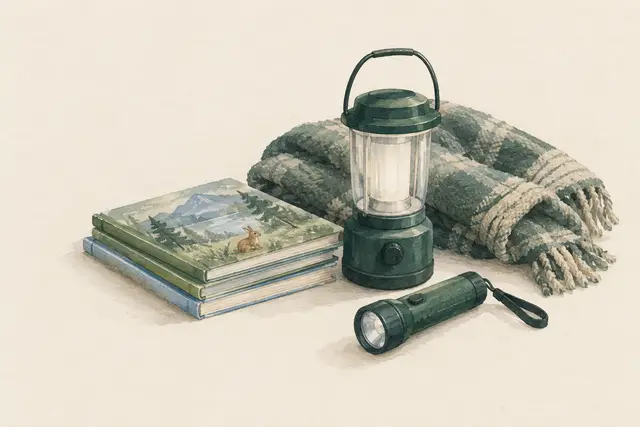
A power outage creates new hazards in the home – especially for children: candles, camping stoves, makeshift heating, a generator, dark stairs and a tangle of power-bank cables. The basic rules: battery light instead of flames, all fuel-burning devices out of reach and never indoors, and every child has their own torch.
A child's own go bag
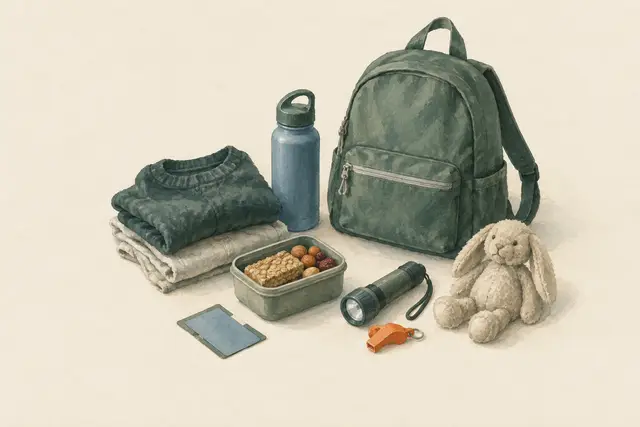
A small backpack a child can carry themselves supplements the family go bag: a change of clothes, snack and water, torch, whistle, contact card and something familiar. Children who help pack it know what is inside – and feel less helpless during an evacuation.
Planned topics (4)
- Go bag
- Household checklists
- Supply calculator
- Home safety