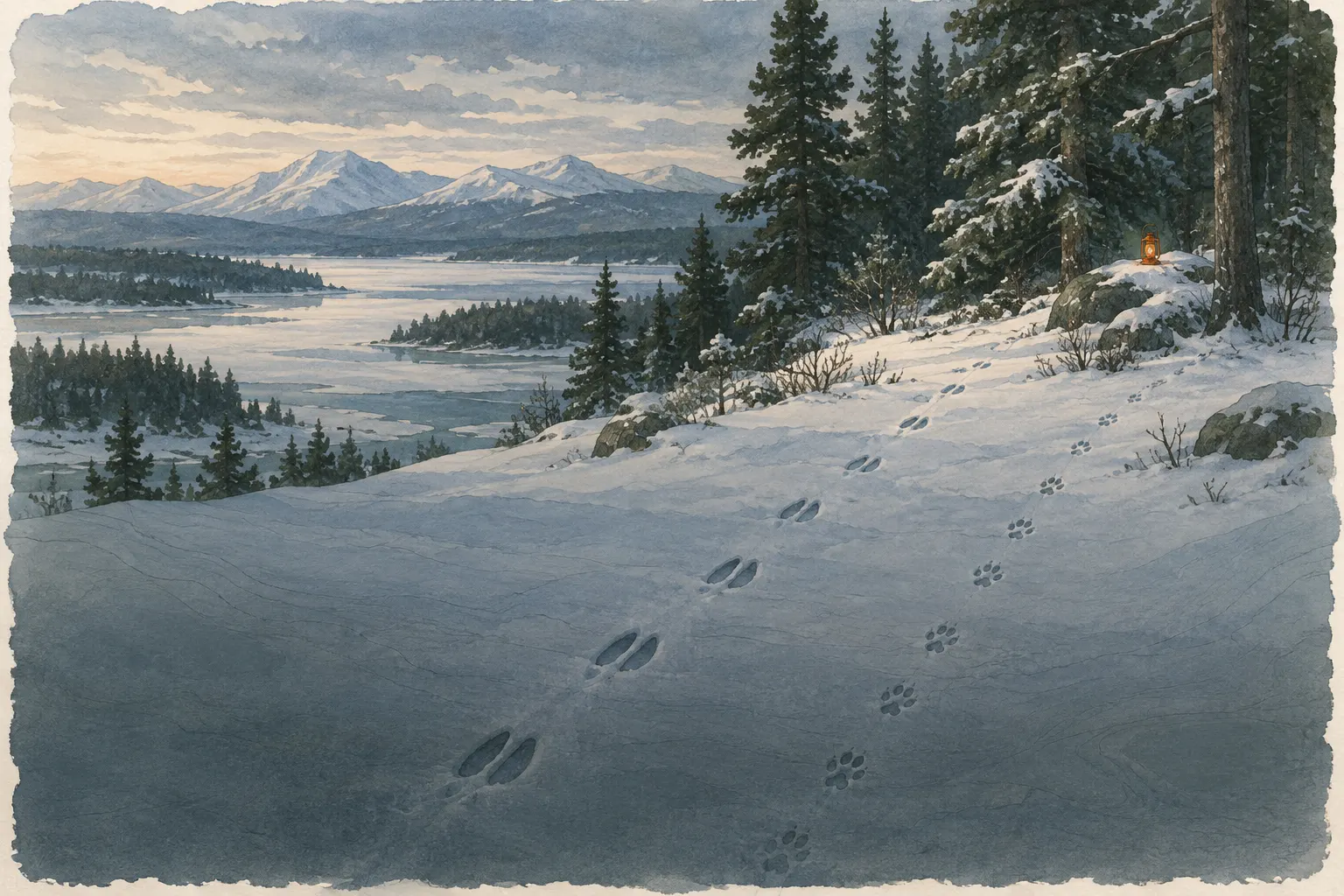
Trapping knowledge and tracking
Read tracks, understand principles, respect the law
Historical knowledge, animal behaviour and mechanics – with harmless demonstration models. Practical trapping only within applicable law and animal welfare standards.
Tracks and behaviour
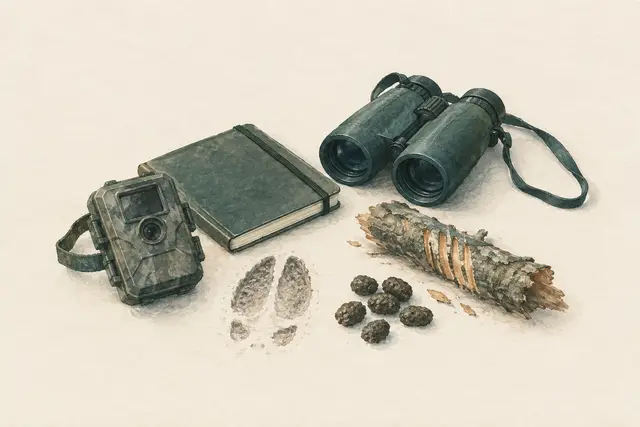
Reading animal signs – for awareness, not hunting
Footprints, droppings, feeding signs, game trails and scratch marks reveal which animals move through an area and how fresh their traces are. This knowledge helps you choose campsites wisely, avoid encounters with large wildlife and experience nature more consciously. Signs are observed and photographed – not followed in order to track animals down.
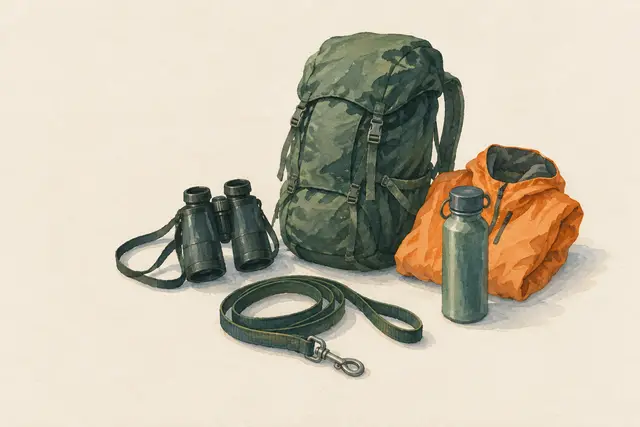
Keeping distance from wildlife and behaviour in encounters
Most dangerous encounters with wildlife happen because people get too close, surprise animals or feed them. Keeping your distance, not crowding animals, keeping dogs on a lead and making yourself noticed in terrain with poor visibility prevent this. How to behave in an encounter with large animals such as bears, moose or wild boar depends on the species and region – the guidance of the local park or wildlife authority is decisive.
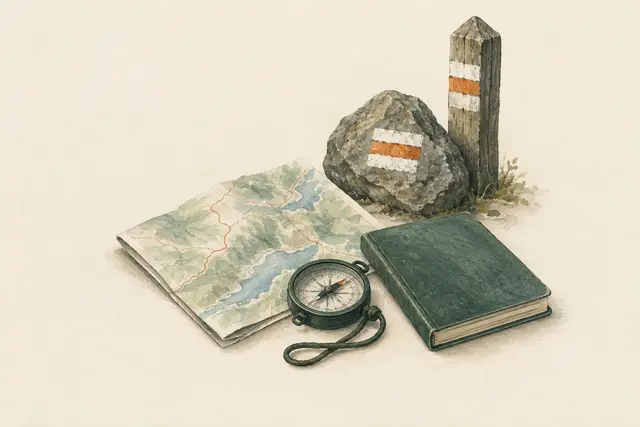
Reading trail markings and following the route
Painted marks on trees and rocks, signposts, posts and cairns guide you along waymarked trails. If you know what the marking in your area looks like, regularly look for the next mark and return to the last certain mark when the marking disappears, you get lost much less often. Marking systems differ by country and trail operator.
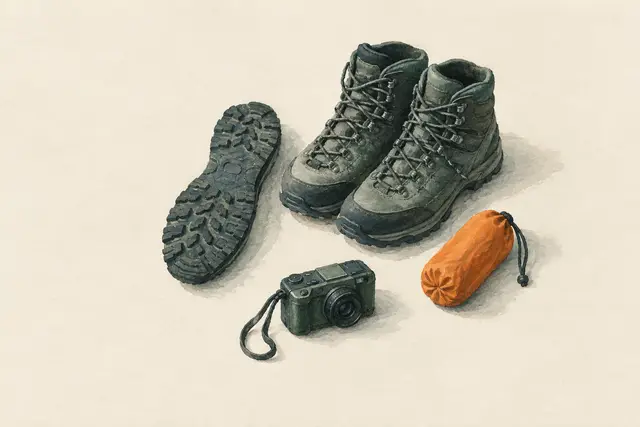
Recognising your own group's tracks
If you know what your group's shoe soles look like, you can tell in snow, sand or mud whether someone has gone ahead or taken a different route at a junction. A photo of every sole before the trip helps the group – and, in an emergency, rescuers too. More important than reading tracks, however: stay together and make clear agreements.
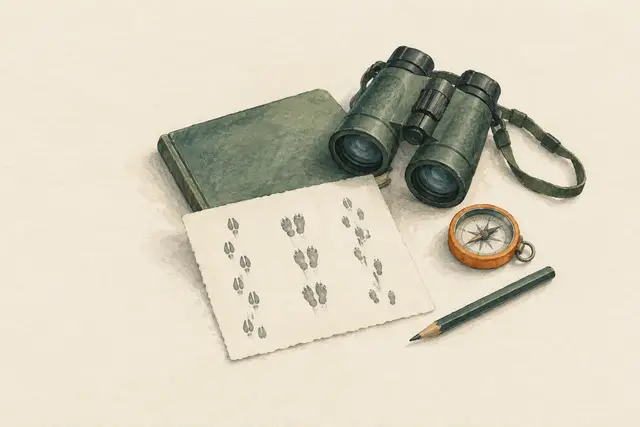
Reading track patterns: walkers, bounders and gallopers
Not the single print but the arrangement of many prints tells you the most: did the animal walk step by step, bound with both hind legs together, or gallop? Tracking literature groups mammals roughly by how they move. Recognising the pattern narrows down the possibilities and shows whether the animal was moving calmly or in a hurry.
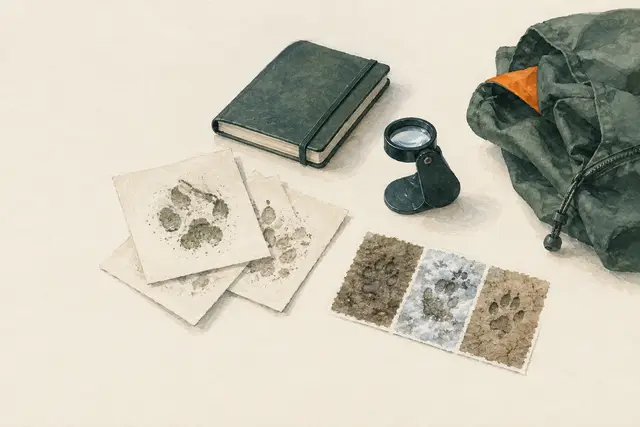
Estimating track age with reference prints
How old a track is can only be estimated roughly – but that is often enough to decide whether a place is currently in use. The most reliable practice method: make your own reference prints in the same substrate and watch how they change over hours and days. Add the weather timeline: when did it last rain, snow or freeze?
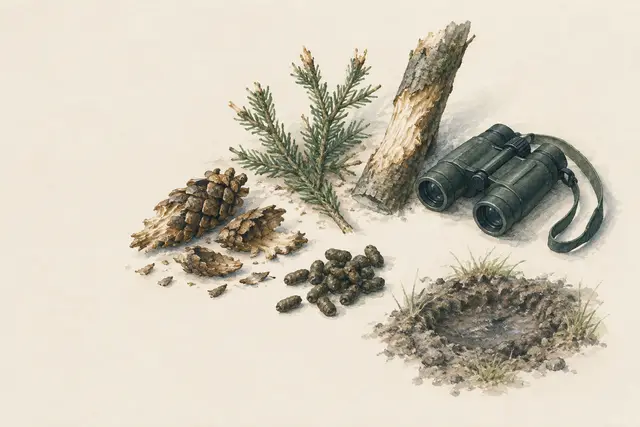
Interpreting feeding signs, scat, rubs and trails
Even without footprints the landscape shows who lives there: gnawed cones and nuts, browsed shoots, stripped bark, rubs on trees, wallows, rooted-up ground, well-worn trails and scat. These signs are looked at and photographed – not touched. They show how intensively an area is used and help in choosing rest and camp sites.
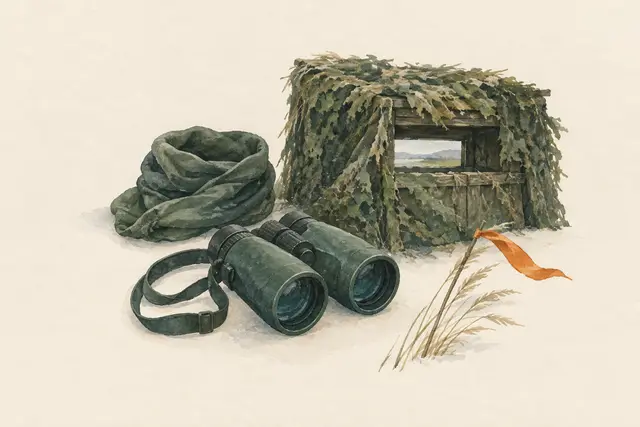
Watching animals without disturbing them: wind, stillness, binoculars, hides
You see wildlife best when it does not notice you. Four things matter: watch the wind so your scent does not drift to the animals; stay quiet and patient in one place; watch from a long distance with binoculars; and use existing observation hides or natural cover. The goal is observing, not approaching – if animals flee, you were too close.
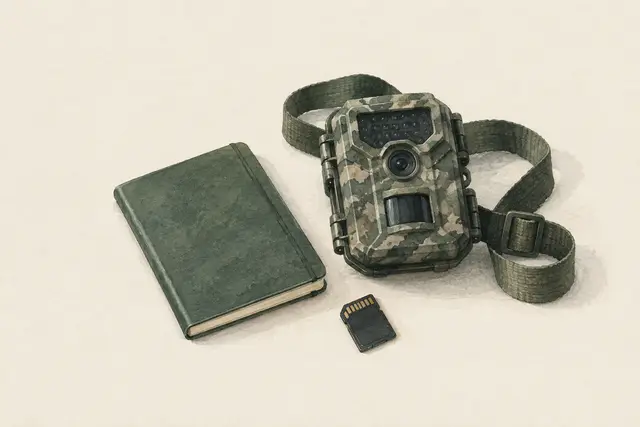
Using a wildlife camera responsibly
A wildlife camera triggers automatically on movement or heat and shows which animals use a place – without anyone needing to be there. It is ideal for your own garden. In forests or on other people's land, landowner permission, data protection and hunting or conservation rules apply: in many countries it is not allowed to film people, paths or public areas.
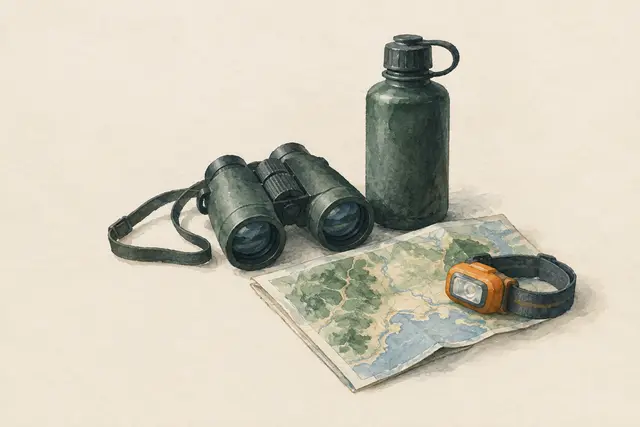
Habitats and animal movement: edges, water, dawn and dusk
Animals are not evenly distributed. They need food, water, cover and rest – and move between these places on recurring routes. Activity is particularly high at transitions such as forest edges, hedgerows and shores, at water sources and at dawn and dusk. Knowing this helps you find more tracks, observe more successfully and choose campsites that do not bring animals and people into conflict.
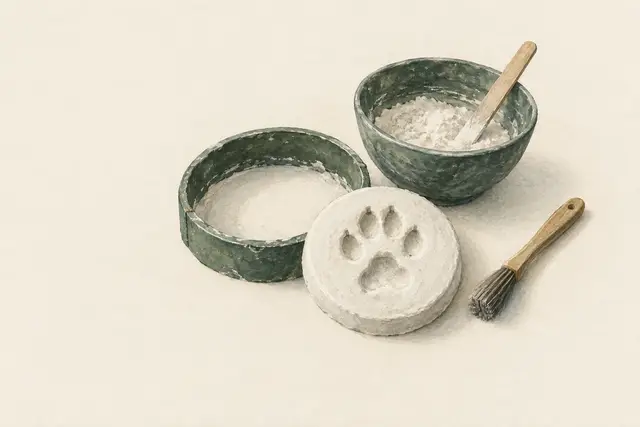
Casting tracks in plaster (hobby)
A plaster cast makes a print permanent and three-dimensional – ideal for a track collection, teaching or later identification. You surround the print with a ring, pour mixed casting plaster into it, let it set and lift it out carefully. All residue is taken away again.
A sand tracking plot in your own garden
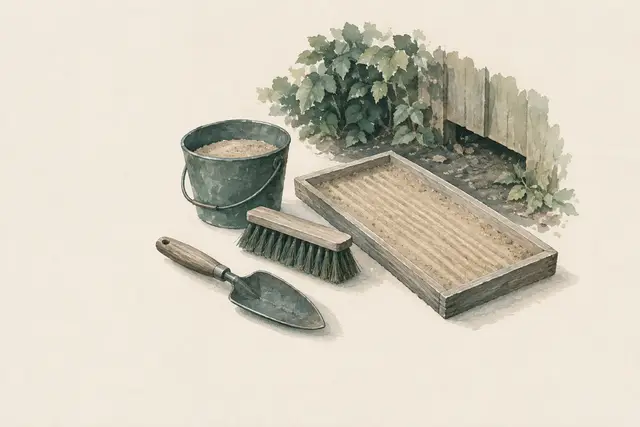
A smoothly raked strip of fine sand or damp soil at a hedge, a gap under a fence or along a garden path shows in the morning who passed by at night. The plot holds nothing, does not lure with food and does not disturb the animals – it only makes their prints visible. Ideal for practising trail patterns, track ageing and plaster casting.
Keeping a tracking journal and reporting observations
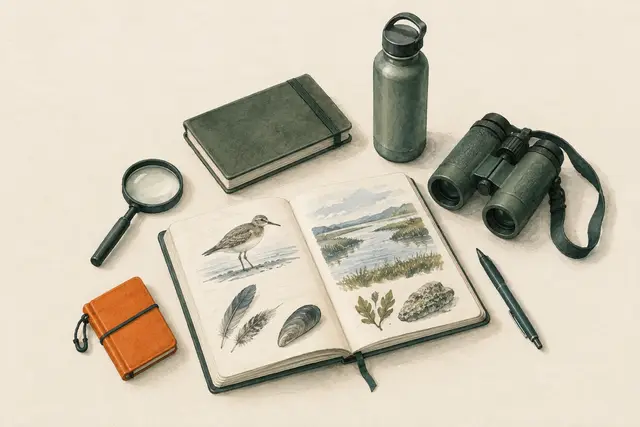
A tracking journal turns single finds into knowledge: date, place, weather, substrate, sketch or photo, measurements with a size reference and a cautious interpretation. Over months, patterns emerge. Good observations can also be reported to citizen science projects or monitoring bodies – making them useful for conservation and wildlife management.
Reading bird language: alarm calls and behaviour as clues
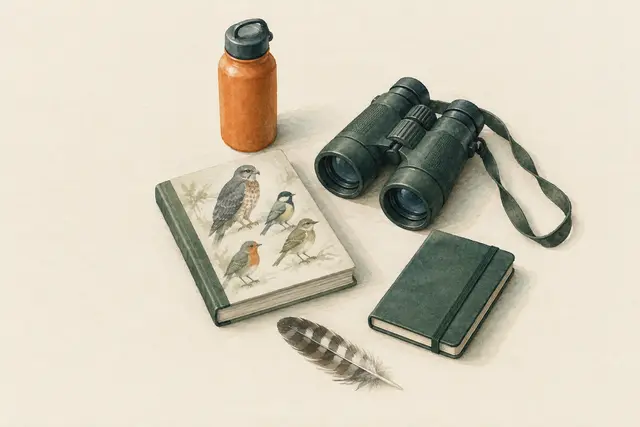
Birds react audibly to disturbance: with alarm calls, mobbing, sudden silence or flushing. Learning to tell relaxed song from alarm lets you notice hawks, cats, foxes or people long before you see them – and shows you how much you disturb yourself.
Pellets and droppings: observe, don't touch – hygiene first
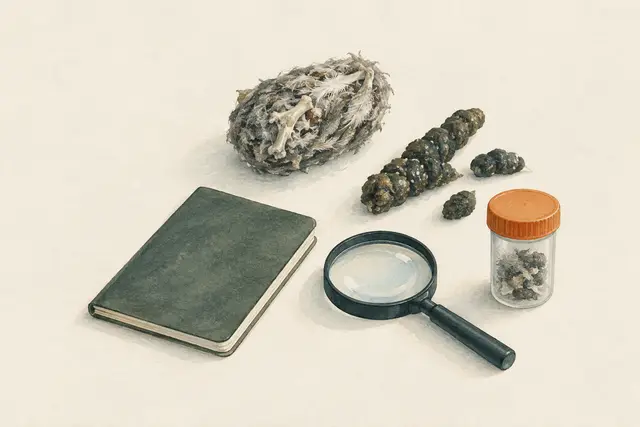
Pellets from owls and raptors and mammal droppings reveal who lives in an area and what they eat. But they can contain pathogens and parasite eggs. So: photograph and measure instead of touching, do not sniff them, wash your hands – and for pellet studies with children use treated pellets from educational suppliers.
Reading tracks in snow, mud, sand and dust
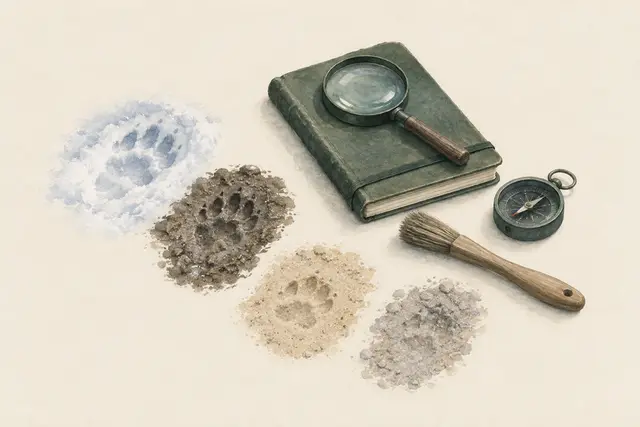
The same foot leaves very different prints depending on the ground: snow enlarges and blurs, damp mud shows the finest detail, dry sand loses it quickly, and on dust and hard ground tracks only show in raking light. Knowing the quirks of each substrate avoids the most common misidentifications.

Measuring tracks: print size, trail width, stride and groups
Measurements make trails comparable and identifications checkable. You measure the length and width of the print, the trail width, the distance between prints or groups and, for bounding animals, the group length. Because field guides define terms such as 'stride' differently, always note which definition you use.
Tracking in the city: foxes, martens, hedgehogs and more
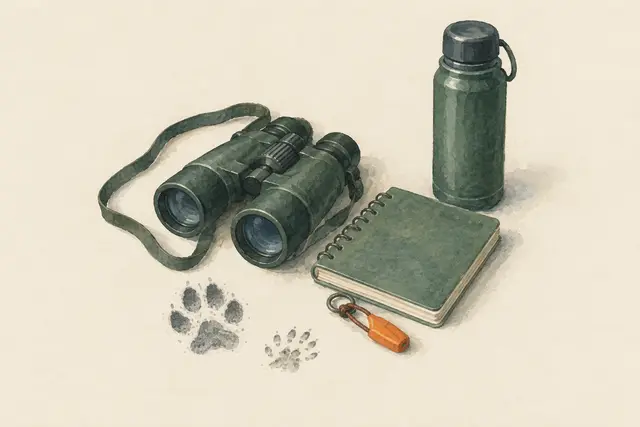
Many wild animals live in cities too: foxes, martens, hedgehogs, badgers, and in many places raccoons or wild boar. Their tracks appear on dusty car roofs, in snow on pavements, at gaps in fences and in gardens. Watching is allowed and instructive – feeding, luring or approaching harms animals and people and is prohibited in some places.
Planned topics (4)
- Identifying tracks
- Animal movement
- Habitats
- Observation techniques
Mechanics and history
History of traditional trapping – an overview
Over long periods, many cultures not only hunted animals but also caught them with traps – for food, furs and to protect stores and herds. This knowledge was closely tied to careful observation of nature, rules and often respect for the animals. Today many historical trap types are banned or strictly regulated in many countries because they cause suffering and do not distinguish between species. This entry describes the history – not construction.
Levers, triggers and stored energy – harmless tabletop experiments
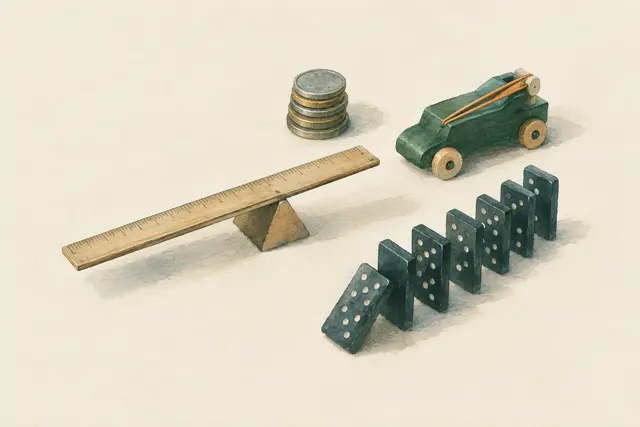
Behind many mechanisms – from a door handle to a mousetrap – lie three basic physical ideas: a lever changes forces, energy can be stored, and a small trigger can release a large amount of stored energy. Three tabletop experiments with a ruler, coins, a toy car and dominoes make this visible. The models cannot catch, hold or injure anything – and must not be adapted to do so.
Misconceptions about “survival trapping”
Films, videos and survival books often suggest that you can easily feed yourself in the wild with a few traps. Reality is different: trapping without authorisation is prohibited in many countries, success is uncertain, energy gained and effort spent are often out of proportion, and improper traps cause animal suffering and endanger pets and people. In a real emergency, warmth, water, signalling and getting help are far more important.
Planned topics (3)
- History of traditional methods
- Mechanical principles (demonstration models)
- Common misconceptions
Law and animal welfare
Storing food safely away from wildlife
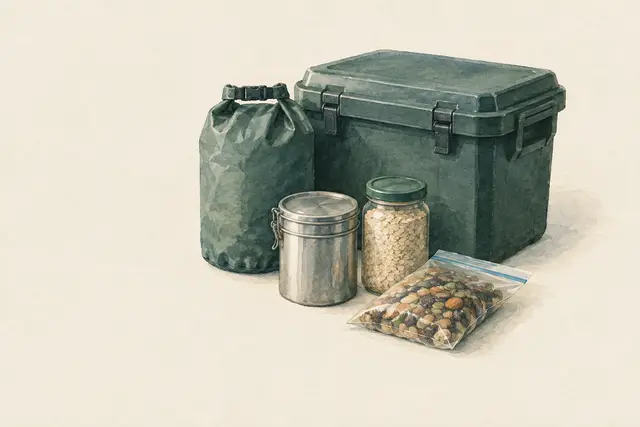
Food, rubbish and scented items such as toothpaste or sunscreen attract animals – from mice and foxes to bears. Storing them out of reach and away from where you sleep protects you, your supplies and the animals: an animal that has once found food from people returns and, in the worst case, has to be killed. In some areas specific containers are required.

Why trapping is strictly regulated
In many countries only people with a hunting or trapping licence may use traps – often only certain approved trap types, for certain species, at certain times and with checking obligations. Protected species may in principle not be caught, and many methods such as leghold traps or snares are banned outright in many countries. Anyone planning anything involving wild animals checks local rules first and asks the responsible authority.
Animal welfare: why many traps are banned
From an animal welfare perspective, traps raise three core questions: does the trap only affect the animal it is meant for? Does it kill instantly or hold the animal uninjured? And how long does a caught animal have to wait? Many traditional and improvised traps fail all of these tests. This is why they are banned in many countries, and the remaining traps may only be used by trained people under strict conditions.
Solving wildlife problems legally
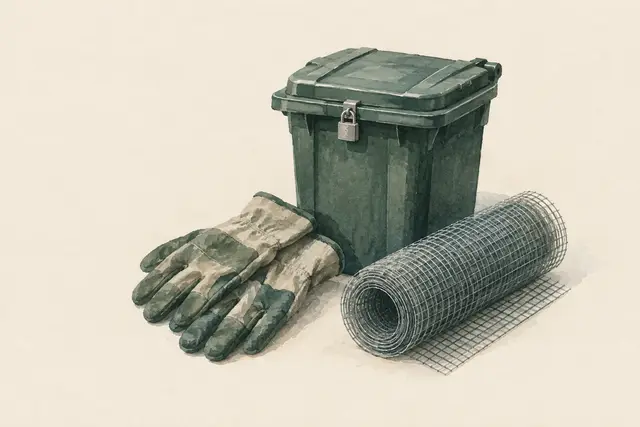
Martens in the roof, raccoons at the bin, wild boar in the garden or mice in the cellar: most conflicts can be solved without traps by removing food and access. Where that is not enough, the wildlife authority, the holder of hunting rights or licensed professionals are responsible – in many countries only they may catch or relocate wild animals. For house mice and rats separate rules apply: follow local guidance and manufacturer instructions, and if in doubt hire a pest controller.
Found injured or apparently abandoned wildlife
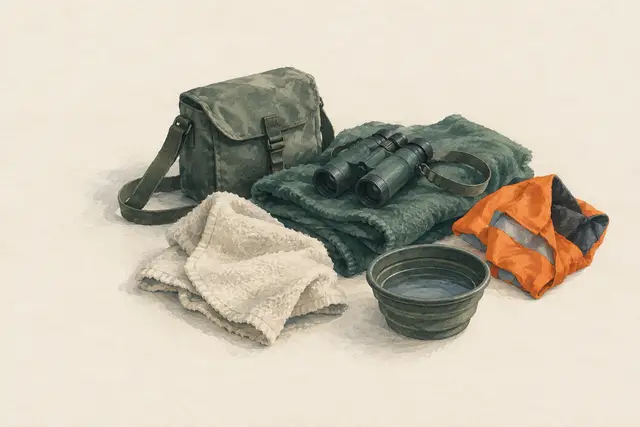
An injured bird, a deer after a road collision, a single young animal in the grass: the first impulse is to help – but the wrong help often does harm. Many “abandoned” young animals are cared for by their parents. Injured wild animals can bite, scratch and transmit diseases. The right approach: keep your distance, observe, protect yourself and contact a wildlife rescue, vet or the responsible authority. After collisions with larger animals, in many countries notify the police.
Out with a dog: protecting wildlife, knowing the rules
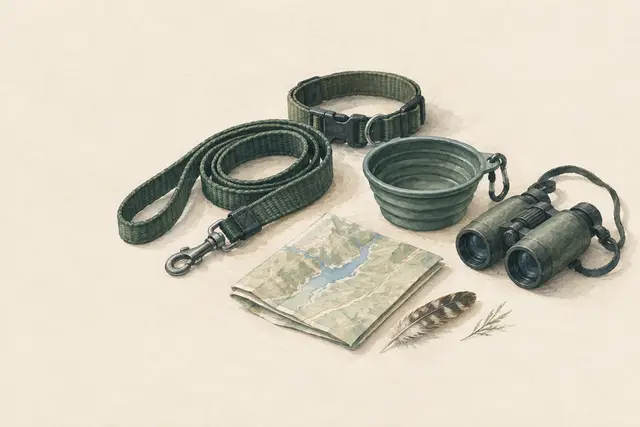
Even good-natured dogs cause wildlife to flee and suffer stress; during breeding and birthing seasons clutches and young can be lost. Leash rules differ by country, area and season. Keeping the dog on a lead where needed, staying on paths and training recall protects wildlife and your own dog and avoids legal trouble.
Deer and wild boar: avoiding wildlife collisions and acting correctly
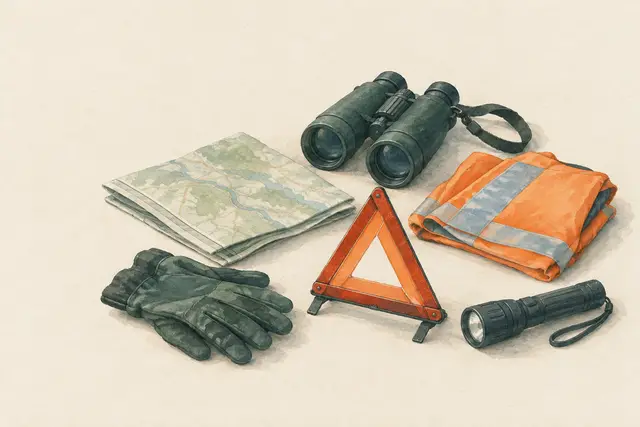
Wildlife collisions happen mainly at dusk and dawn, at forest edges and fields. Driving more slowly, taking deer warning signs seriously and expecting followers reduces the risk. If an animal is on the road: brake in a controlled way, sound the horn, dip the headlights, do not swerve. After a collision secure the scene, inform the police or responsible office and do not touch or take the animal.
Citizen science: reporting sightings and tracks usefully
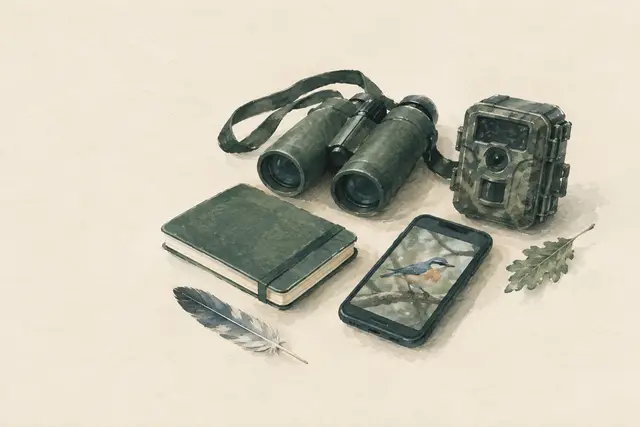
Conservation organisations, research institutions and authorities collect observations from volunteers – from bird counts to camera-trap projects to roadkill reports. Useful reports follow a fixed protocol, include evidence, state uncertainty openly and protect sensitive species. Good records are made without disturbing animals.
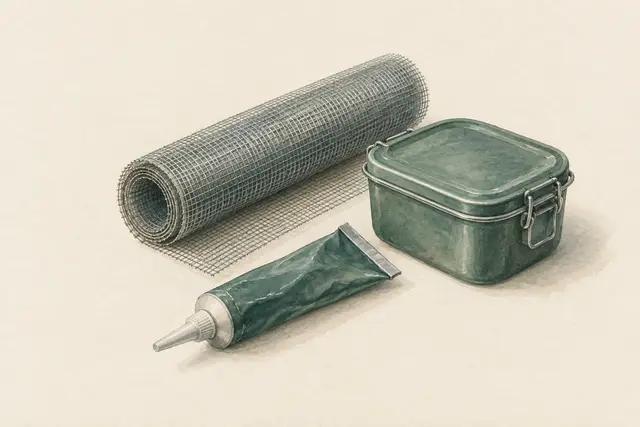
Rodent-proofing a home: exclusion instead of trapping
Mice and rats come for food and shelter and use very small openings. What helps in the long term: recognising signs, finding entry points and sealing them with metal, storing food out of reach and removing droppings safely and wet. Catching and poison belong in the hands of professional pest control according to local rules.
Planned topics (5)
- Legal requirements
- Animal welfare
- Wildlife management
- Regional rules
- Legal alternatives