
Self-reliance
Garden, supplies, energy, household
Everyday preparedness: plan ahead, store, grow and repair.
Method explorer
Which water reserves can I rely on when the tap water fails?
Garden

Growing vegetables and herbs in containers and on balconies
Even without a garden, herbs, lettuce, radishes, tomatoes or chillies can be grown on a balcony, terrace or windowsill. What matters is containers large enough with drainage holes, good potting compost, a sunny spot and regular watering. It will not make you self-sufficient – but it gives fresh greens, practice and enjoyment.

Starting a small vegetable bed
A sunny bed of a few square metres can supply fresh vegetables over the season with good planning. What matters is a bright site, loosened soil improved with compost, a simple planting plan with crop rotation and regular watering and weeding. Stay realistic: a small garden supplements the stock but does not replace it.
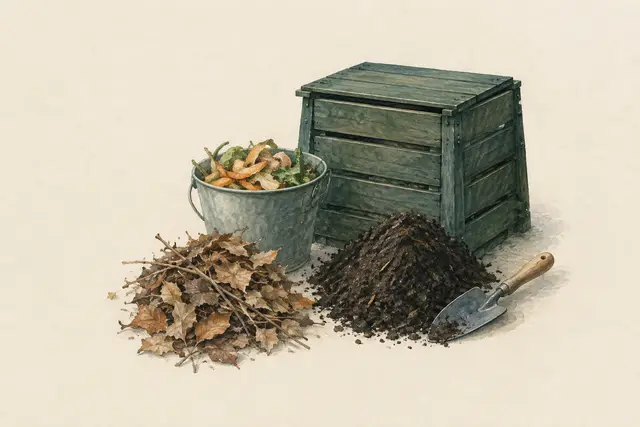
Composting in the garden
Kitchen and garden waste turns into nutrient-rich compost within a few months. This works with a mix of moist, nitrogen-rich ("green") and dry, carbon-rich ("brown") materials, enough air and moisture. Meat, fish, dairy and cooked food do not belong on an open home compost – they attract rats.

Saving seed from your own garden
From open-pollinated varieties you can save your own seed that produces similar plants again next year. It is easiest with self-pollinating crops such as beans, peas, tomatoes and lettuce. Seed from F1 hybrids, on the other hand, gives inconsistent results. Well dried, labelled and stored cool, seed remains viable for a number of years.
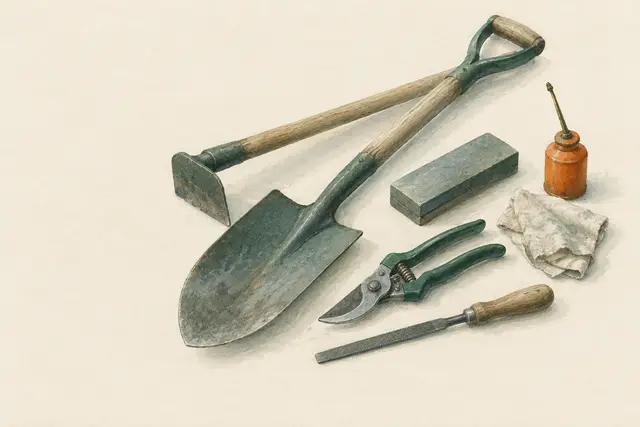
Sharpening and caring for garden tools: spade, hoe, secateurs
A sharp spade digs more easily, a sharp hoe cuts weeds instead of tearing them, sharp secateurs do not crush shoots. Sharpening with a file or stone, cleaning, oiling and a sound handle greatly extend a tool's life – without machines and with few tools.
Planned topics (3)
- Gardening
- Seeds
- Composting
Supplies
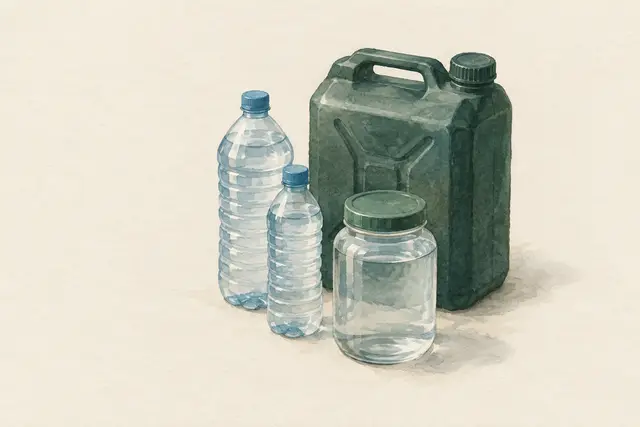
Simple water storage at home
A water stock is the foundation of household preparedness: without water even the best food stocks are hard to use. The simplest option is bought, sealed bottled water that is used and replaced according to its best-before date. If you fill your own, you need clean, food-grade containers, a date and a fixed rotation schedule.

Storing the harvest: potatoes, root vegetables, apples
Potatoes, carrots, beetroot, cabbage, onions and keeping apples last for weeks to months without a fridge if they are undamaged and stored cool, dark and at suitable humidity. Regular checks stop one rotten item spoiling the whole store. Cut away green parts of potatoes generously and do not eat heavily greened tubers.
Planned topics (4)
- Water storage
- Supply planning
- Food preservation
- Food storage
Energy and heat
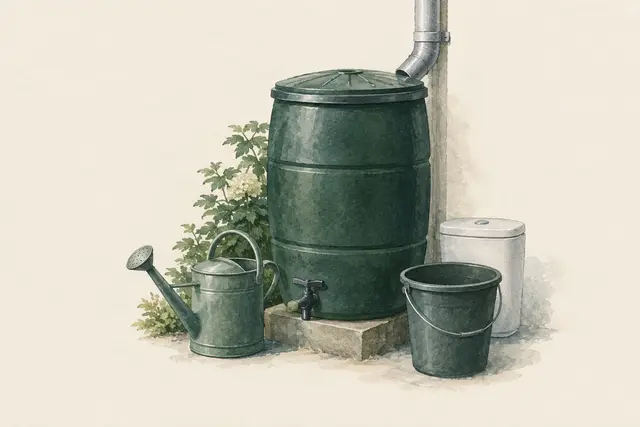
Using rainwater for garden and household
A covered rain barrel on the downpipe provides water for the garden and, in an emergency, water for flushing and cleaning. Rainwater from a roof, however, is not drinking water: it can contain bird droppings, dust and substances from the roofing material. If you want to drink it, it must be treated like any surface water.
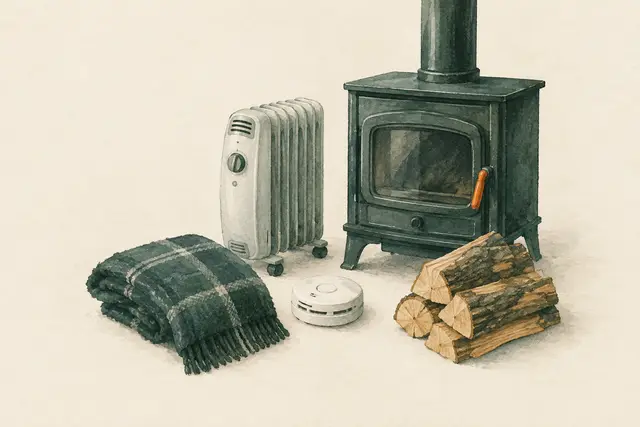
Planning backup heating – safe rather than improvised
Anyone preparing for a long heating failure plans beforehand: which heat source is approved for indoor use, professionally installed and inspected? Wood stoves need an inspected chimney, heaters need a carbon monoxide alarm and clearance from flammable materials. Grills, camping stoves, patio heaters and generators never belong indoors.
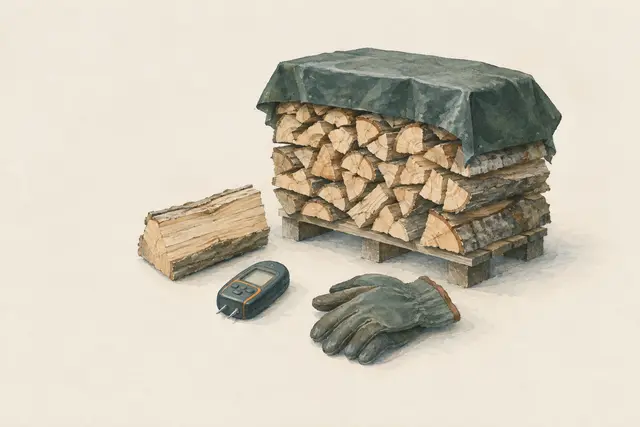
Seasoning and storing firewood
Freshly cut wood contains a lot of water. It burns poorly, smokes heavily and soots up the stove and chimney. Split, stacked with airflow, covered on top and raised off the ground, it dries over many months. A moisture meter shows when it is ready – common recommendations give values below about 20 percent.
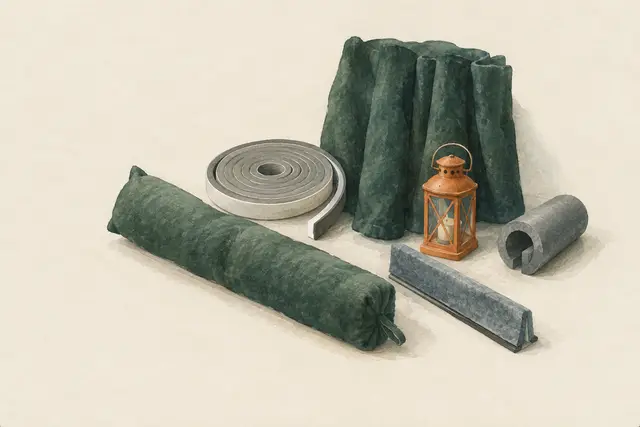
Draught-proofing and keeping heat in the home
Leaky windows, doors, letterboxes and gaps around pipes let warm air escape. Draught strips, draught excluders, heavy curtains and closing off unused rooms are simple, cheap measures – every day and especially during a heating failure. Important: never block vents for stoves and gas appliances, and keep airing regularly.
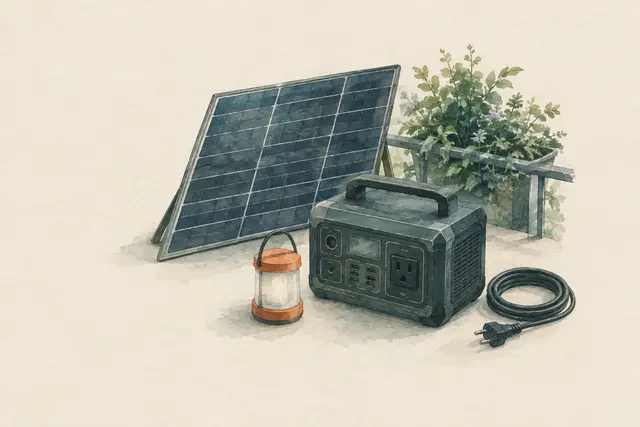
Small balcony and garden solar systems: what they can do and what to check
Plug-in solar systems ("balcony power plants") feed electricity into the home's circuits and reduce what is drawn from the grid. During a power cut, grid-tied units generally deliver no power for safety reasons. For backup power you need an off-grid setup or a portable power station with a solar panel. Permission, registration, mounting and connection are regulated regionally – check local rules and ask professionals when in doubt.
Planned topics (3)
- Off-grid energy
- Rainwater use
- Heating concepts
Household
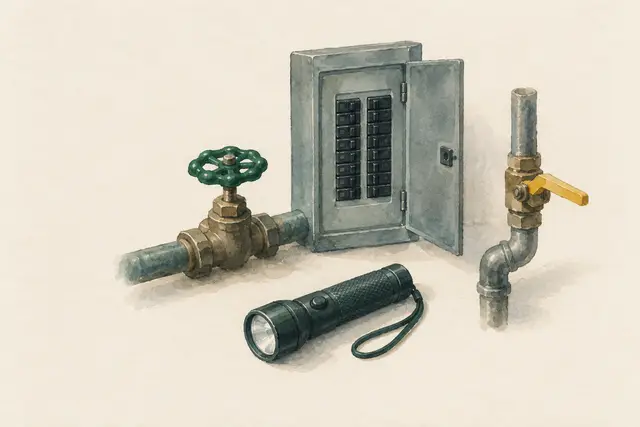
Knowing your water, electricity and gas shut-offs
After a burst pipe, water near electrics or a storm, every minute counts. If you know in advance where the main water valve and the breaker panel are and how to operate them, you prevent further damage. Gas follows a different rule: if you smell gas, do not operate anything, leave the building and call the gas emergency service or the emergency number from outside.
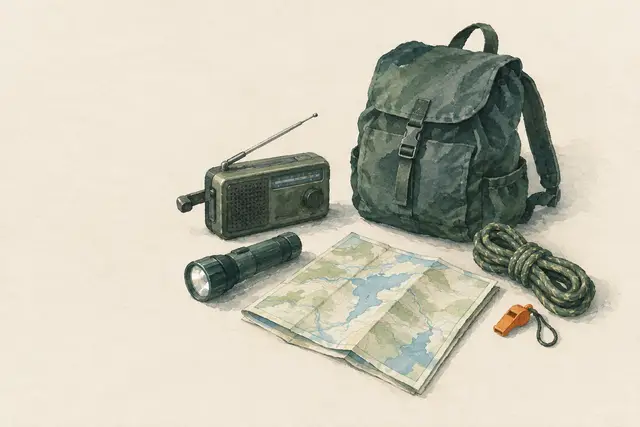
A practice routine for emergency skills
Supplies alone are not enough: under stress you fall back on what you have practised. A simple routine – a few minutes, regularly, with the whole household – keeps knowledge fresh: knowing the meeting point, finding a light in the dark, operating the radio, tying a knot, reading a map. Small, repeated exercises do more than a single big course.
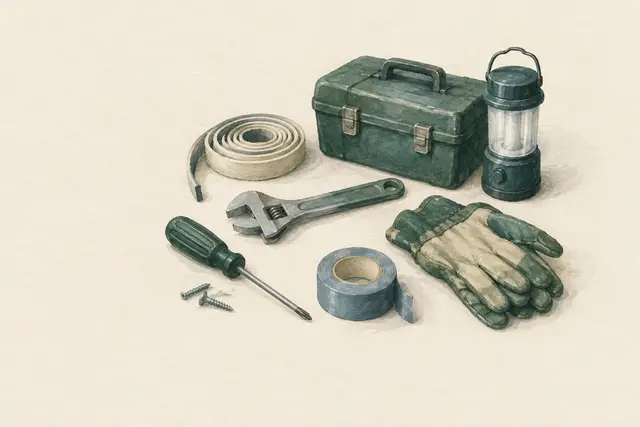
Household repairs: what you can do yourself – and what you cannot
Doing small repairs yourself saves time and keeps a household working during a crisis: a blocked drain, a loose screw, a draughty window, a torn strap. Work on gas, electrical wiring, heating systems, flues and load-bearing parts of a building, on the other hand, belongs in professional hands – even in an emergency. The most important part of self-help is knowing this boundary.
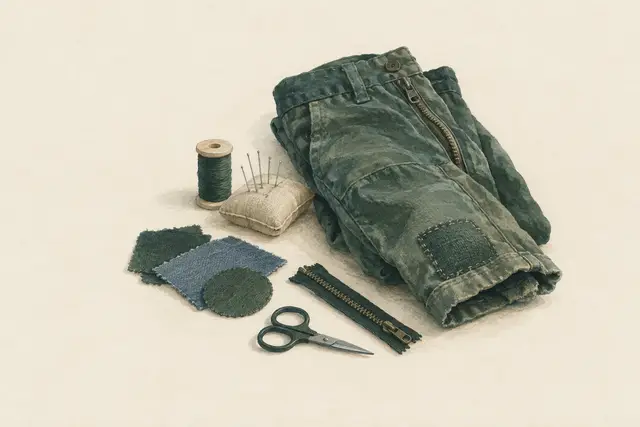
Mending clothes: patches, hems, zips
A hole in the knee, a torn hem or a sticking zip is usually no reason to throw clothing away. With patches, a few basic stitches and some patience, trousers, jackets and bags last much longer – sustainable in everyday life, valuable in a supply crisis.
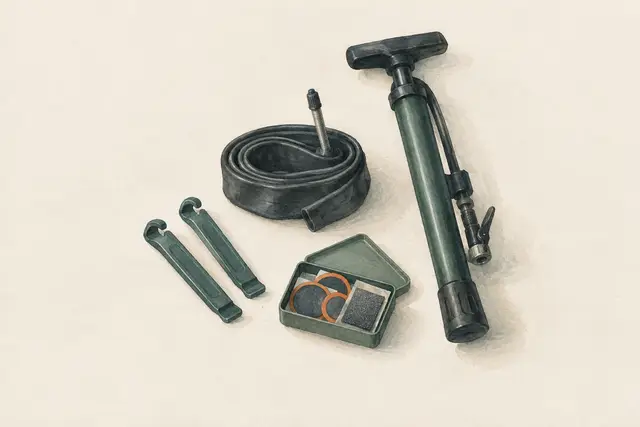
Bicycle: fixing a puncture and basic check
A bicycle keeps you mobile when fuel is scarce or trains stop running. With a patch kit, tyre levers and a pump you can fix a puncture at the roadside, and a quick check of tyre pressure, brakes and chain before every ride prevents many breakdowns. Brakes that do not work reliably belong in a workshop.
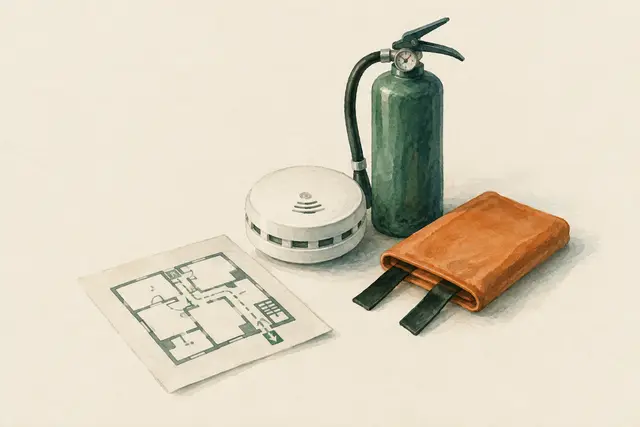
Home fire safety: smoke alarms, extinguishers, escape route
Smoke alarms wake you in time, a clear escape route gets everyone out, and an extinguisher or fire blanket only helps with a small starting fire. In crises with candles, backup heaters and improvisation the fire risk rises. Basic rule: saving people comes before fighting the fire – get out, close the door, call the emergency number.
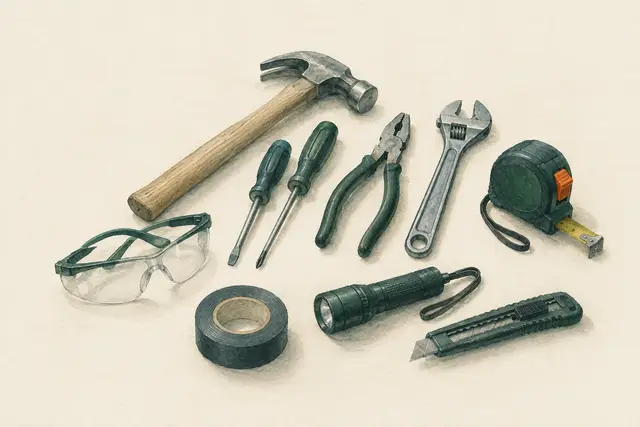
A basic household tool kit
A modest tool kit covers most small repairs: hammer, screwdrivers, pliers, spanners or an adjustable wrench, utility knife, tape measure, tape, torch and safety glasses. More important than lots of tools is that they are in a fixed place, work and that you know how to use them.
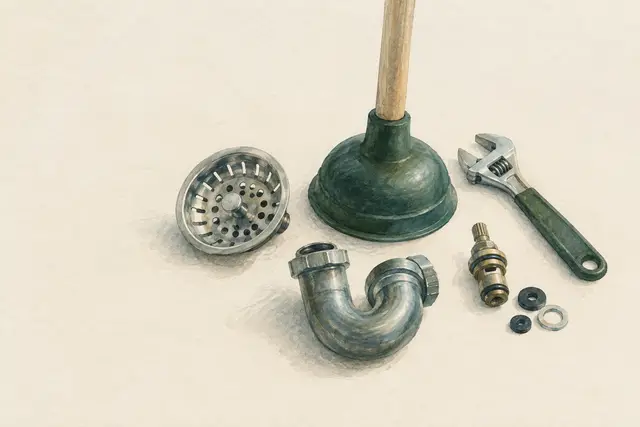
Clearing a drain and dealing with a dripping tap – without chemicals
A blocked basin or shower drain can usually be cleared mechanically: clean the strainer, use a plunger, unscrew and rinse the trap. A dripping tap often has a worn washer or cartridge. Shut off the water before any work. Chemical drain cleaners are corrosive and an unnecessary risk. Anything involving gas, water heaters or pipes behind the wall belongs to professionals.
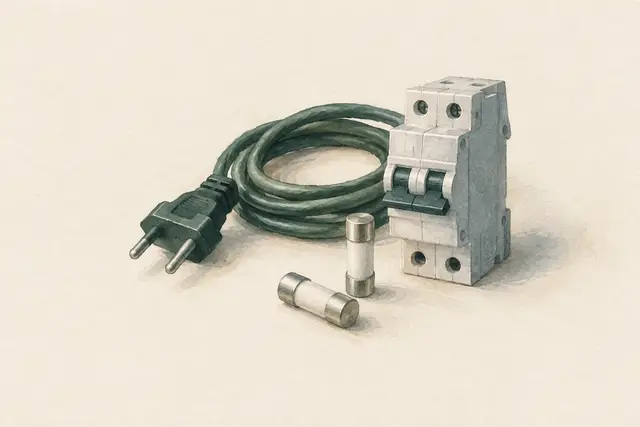
Tripped breaker or blown fuse: resetting safely – and when not to
What laypeople may and should do with electrics is narrowly limited: switch a tripped circuit breaker or residual-current device back on, replace a screw-in fuse with an equivalent one, and narrow down the cause – usually a faulty appliance or overload. If it trips repeatedly, smells burnt or something has got wet, it stays off and a qualified electrician is called.
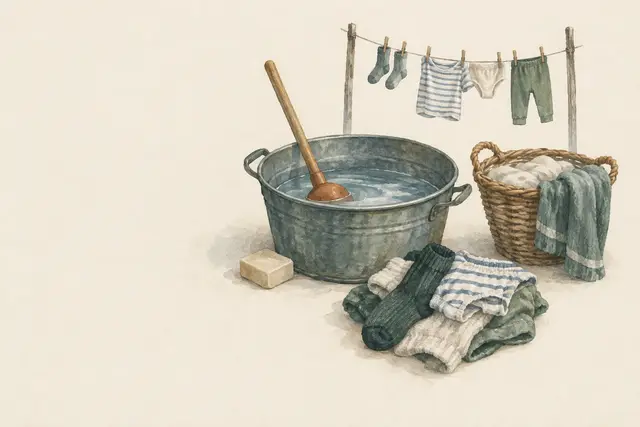
Washing laundry by hand and drying it
Without power or a washing machine, laundry can be washed in a tub or a large bucket: soak, knead or agitate with a plunger, rinse, wring and dry with good airflow. With little detergent and reusing water in a sensible order, surprisingly little water is needed. Underwear, socks and children's clothes come first.
Learning and sharing skills: courses, repair cafés, swapping
Nobody can do everything. Self-reliance works better in a neighbourhood where people share their skills: preserving, sewing, repairing, gardening, first aid. Courses by adult-education centres, clubs and relief organisations, repair cafés, swap and time-bank groups and tool libraries are good ways to learn skills and share equipment – before a crisis.
Planned topics (3)
- Repair skills
- Household organisation
- Everyday preparedness