Travel and expeditions
Well prepared for remote regions
Preparation, communication and precautions for trips far from infrastructure.
Preparation
Checking travel documents and securing copies
A lost or expired passport can end a trip before it starts – or cost a lot of time abroad. If you check validity and entry requirements in good time, keep copies separate from the originals and carry important numbers on paper, loss or theft can be resolved much faster.
Checking travel insurance: what is really covered?
Treatment or repatriation abroad can be very expensive. Before travelling it pays to look specifically at the terms: does the cover apply in the destination, for the planned activities and for pre-existing conditions? Is medical evacuation included? What is the insurer's emergency number?
Researching natural hazards at your destination
Hurricanes, monsoon rain, earthquakes, wildfires, heat or tsunamis are possible at many destinations, often seasonally. Knowing the official travel advice and regional warning systems before the trip, and how to behave locally, lets you react correctly faster in an emergency.
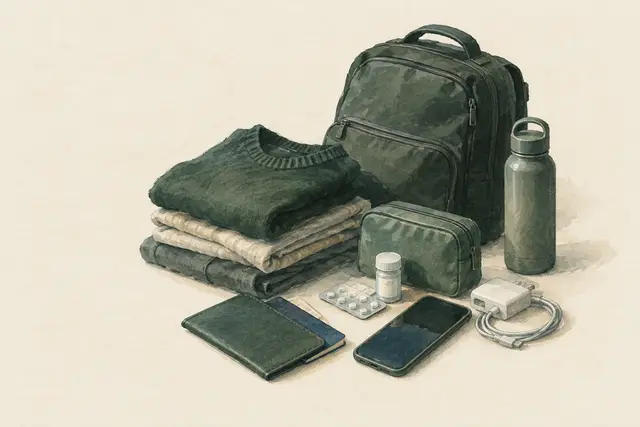
Plan for flight cancellation and being stranded at the airport
Strikes, storms, volcanic ash or technical problems can cancel flights at short notice. Carrying medication, charger and a change of clothes in hand luggage, storing booking data offline and knowing where rebooking and passenger rights are handled keeps you able to act.
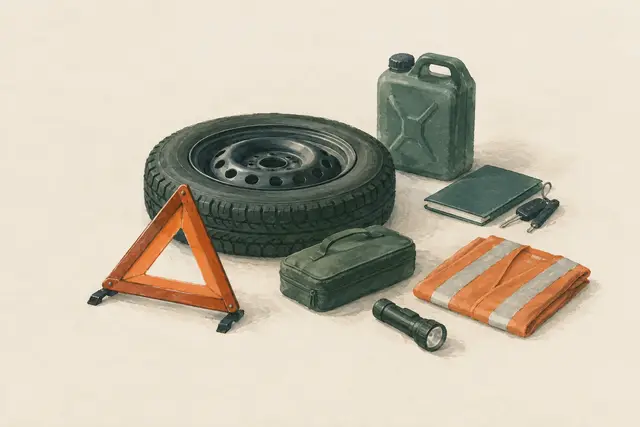
Checking a rental car before driving off
An unfamiliar car in an unfamiliar country: tyres, lights, spare wheel, warning equipment and how to operate hazard lights, headlights and wipers should be clear before driving off. Equally important: the rental company's breakdown number, fuel type and locally mandatory equipment.
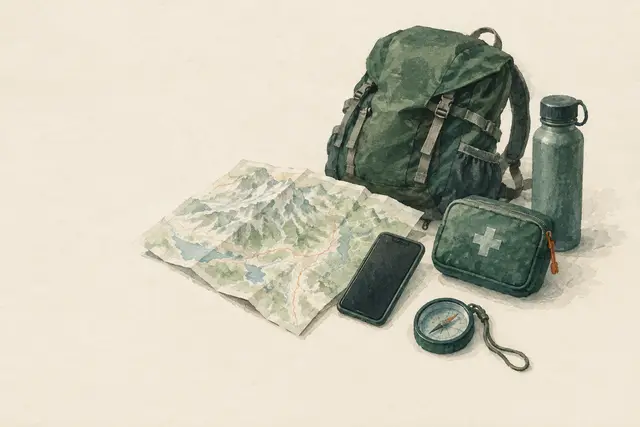
Hiking abroad: sort out rescue, emergency numbers and insurance
Abroad, emergency numbers, rescue organisations, trail markings and sometimes cost rules for rescues are different. Before the trip clarify: how do I reach local rescue, does my insurance cover search and helicopter rescue, where is the nearest hut or settlement, and who knows when I plan to be back?
Planned topics (5)
- Trip preparation
- Route planning
- Choosing gear
- Offline maps
- Securing documents
Safety on the way

Reading travel advice and registering with your foreign ministry
Many countries offer their citizens voluntary registration before or during a trip abroad. In natural disasters, unrest or evacuations, the embassy or consulate can then inform and reach those registered. Together with the official travel and safety advice, this is one of the simplest precautions.
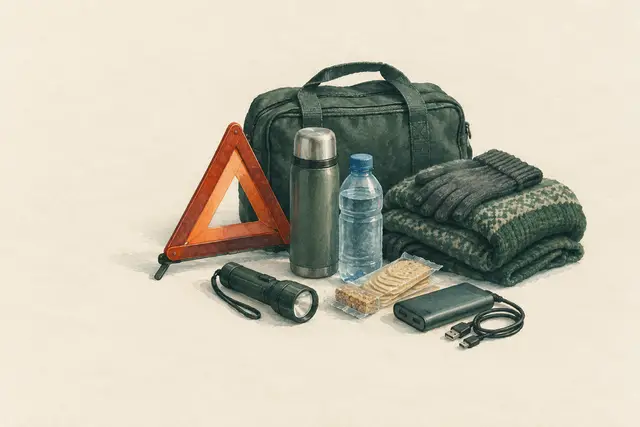
Car emergency kit and winter driving basics
A breakdown, a traffic jam in a snowstorm or a closed road can cost hours. A small basic kit in the vehicle – warning equipment, light, warm clothing, water, food, a charger – and a vehicle prepared for winter make such situations much safer.
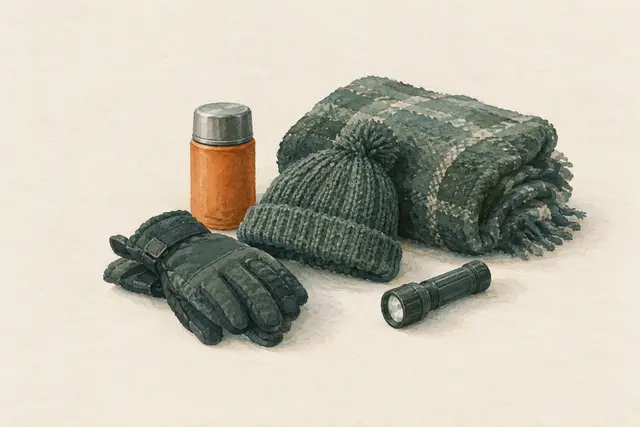
Stranded in a vehicle: snow, cold, carbon monoxide
If you are stuck in snow or a traffic jam, staying in the vehicle is usually safer than walking in a snowstorm. The greatest hidden danger is carbon monoxide: if the exhaust pipe is blocked by snow, exhaust can enter the cabin. Keep the exhaust clear, run the engine only briefly, ventilate slightly, dress warmly and stay visible.
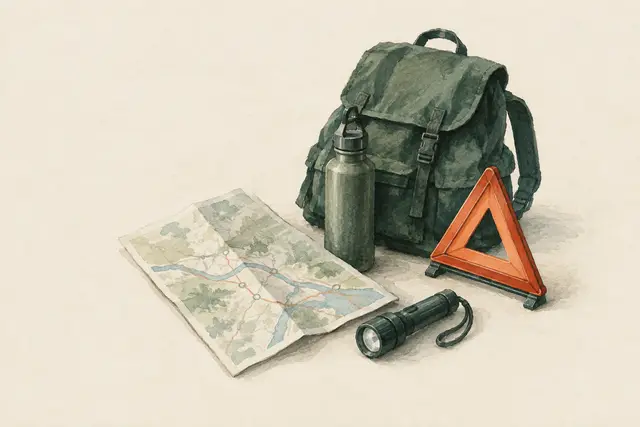
Evacuating by road: route, fuel, hazards on the way
In an evacuation many people travel at once, roads may be closed, flooded or congested, and fuel stations fail. Leaving early, using the routes named by the authorities, having a full tank and never driving through flooded roads gets you there more safely.
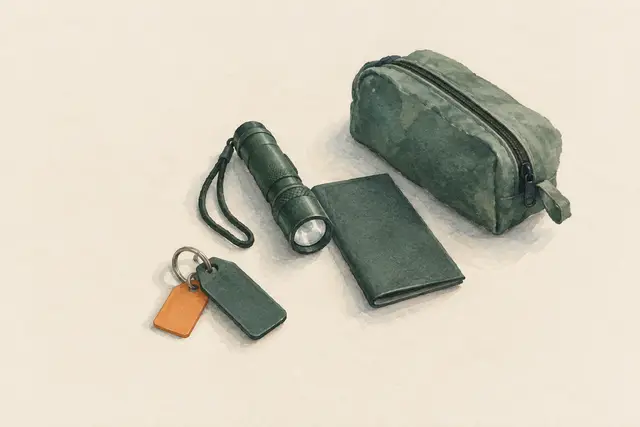
Fire safety in hotels and lodging: know your way out
In unfamiliar lodging you do not know the escape routes – at night and in smoke you will hardly find them. Two minutes after check-in are enough: find two exits, count the doors to the stairwell, put key and torch by the bed. In a fire never use the lift.
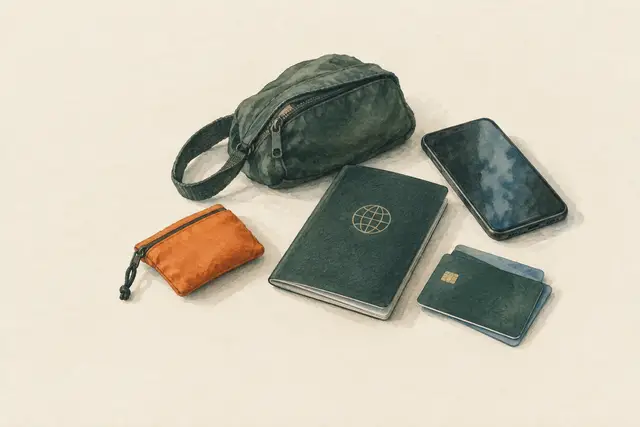
Passport lost or stolen abroad: what to do
A lost passport is annoying but solvable. The usual steps are: report the loss to local police, contact your own country's embassy or consulate, apply for a replacement or emergency travel document and block stolen cards. Copies and emergency numbers speed everything up.
Breakdown on the motorway: stopping and getting out safely
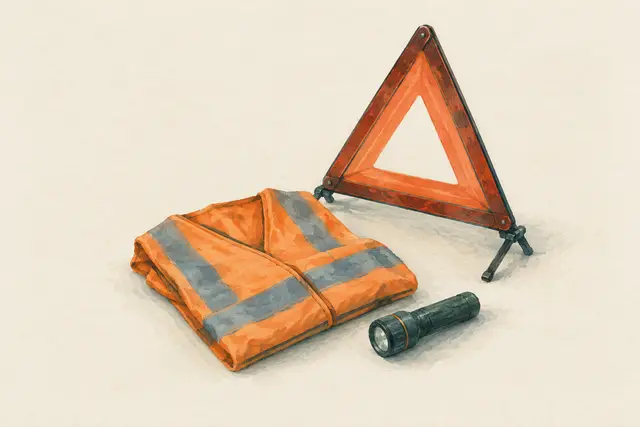
On fast roads the biggest risk is not the breakdown itself but passing traffic. Stop as far to the side as possible (on the hard-shoulder side), switch on hazard lights, put on a hi-vis vest while still in the car, get out on the side away from traffic and wait behind the crash barrier. Warning triangle and details according to local rules.
Travelling with children: emergency card and a plan for separation
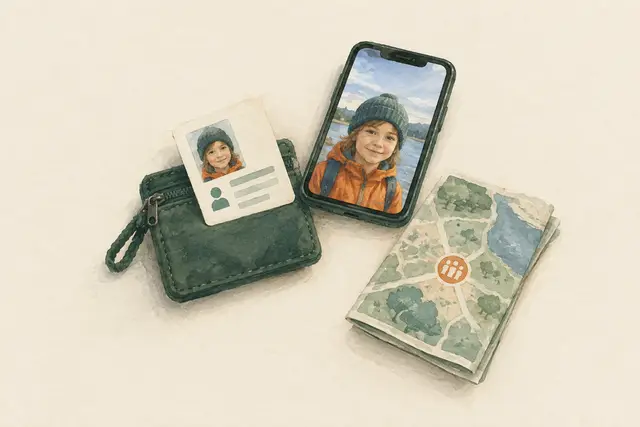
At stations, airports, beaches or festivals children get lost easily. An emergency card with a contact number in their pocket, a current photo on the parents' phone, an agreed meeting point and a simple rule ("Stay where you are and ask a parent with children or someone in uniform/at a till") help to reunite quickly.
Making an emergency contacts card for travel
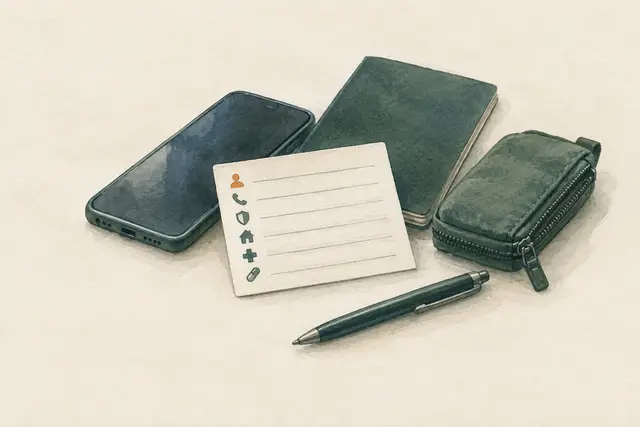
If the phone is flat, stolen or locked, all numbers are suddenly gone. A small paper card with emergency contacts (with country codes), the local emergency number, embassy, insurer, lodging and allergies and essential medication helps you and those helping you.
Driving at night and on remote roads
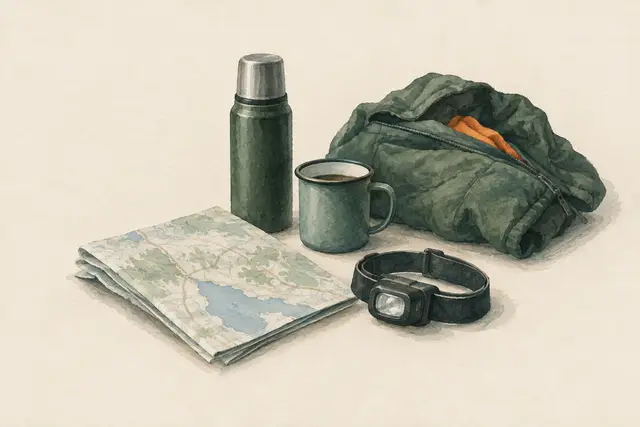
At night visibility and reaction time are limited, fatigue increases and on lonely roads help is far away. Start rested, take regular breaks, fill up, know the route and dead zones and tell someone your planned arrival – or move the drive to daytime.
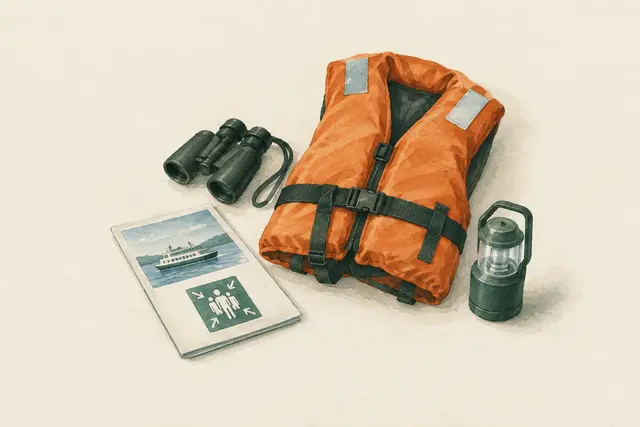
Safety on ferries and boats: briefing, life jackets, muster station
On ferries, excursion boats and small craft the first minutes after departure matter: listen to the safety briefing, locate life jackets and the muster station and on small boats wear the life jacket. Better not to board overloaded or obviously unsafe boats.
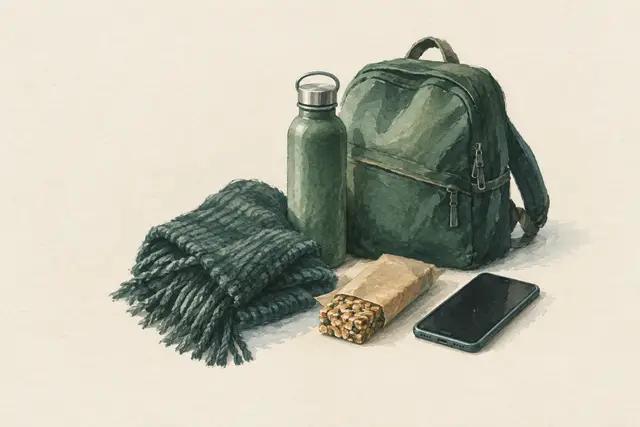
Stranded or evacuated train: how to behave
If a train stops on open track or in a tunnel, the train is usually the safest place. Tracks are deadly: other trains, conductor rails and overhead lines. Leave only on staff instructions or if there is immediate danger inside the train (fire, smoke). Water, a snack, warm clothing and a charged phone make long waits bearable.
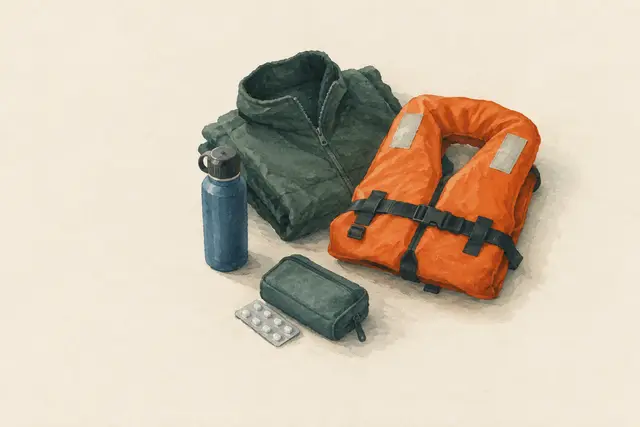
Cruise ship emergencies: take the muster drill seriously, follow the crew
On large ships everything in an emergency depends on order: every passenger has a muster station, shown during the safety drill (muster). Anyone who knows it, has walked the route once and goes there calmly with warm clothing, medication and a life jacket (if instructed) when the general alarm sounds makes the crew's job easier. Do not search cabins for relatives – agree a meeting point beforehand.
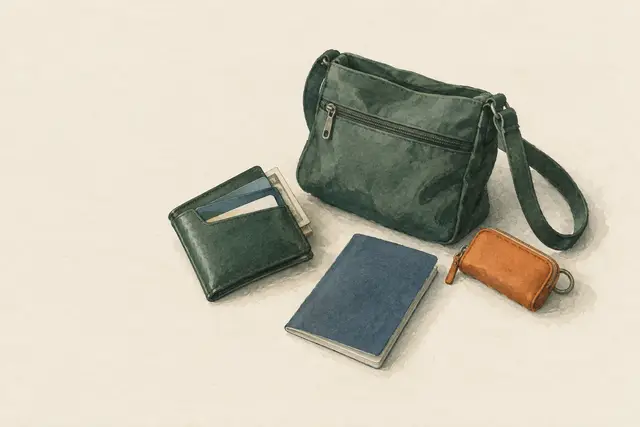
Preventing theft and scams while travelling – relaxed, not paranoid
Most crimes against travellers are pickpocketing and tricks, not violence. A few habits are enough: split money and cards, carry valuables close and discreetly, put a hand on your bag during distractions (crowds, "help", spilled drinks), politely decline unsolicited offers. If robbed: hand over valuables, do not resist.
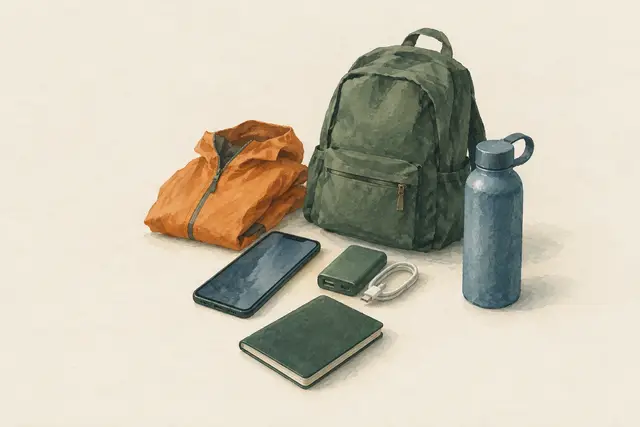
Natural disaster abroad: follow local authorities, send a sign of life
Earthquake, hurricane, flood or wildfire at your holiday destination: first follow the instructions of local authorities, the hotel or tour operator – warnings, evacuations, shelters. Then send a short sign of life to relatives, contact your own embassy or consulate if you need help and inform your insurer. Do not travel to disaster sites on your own.
Planned topics (5)
- Emergency contacts
- International emergency systems
- Emergency communication
- Camping safety
- Vehicle breakdowns
Health
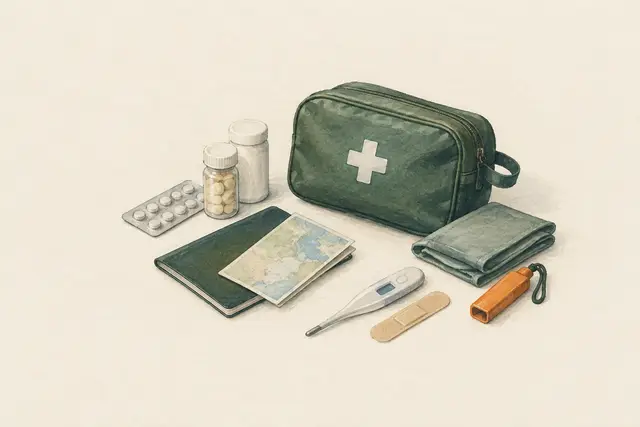
Health preparation and travel medical kit
Health preparation starts weeks before departure: medical or travel-medicine advice on vaccinations and risks at the destination, enough of your own medication in hand luggage, suitable health insurance abroad and a small travel medical kit whose contents are agreed with a doctor or pharmacist.
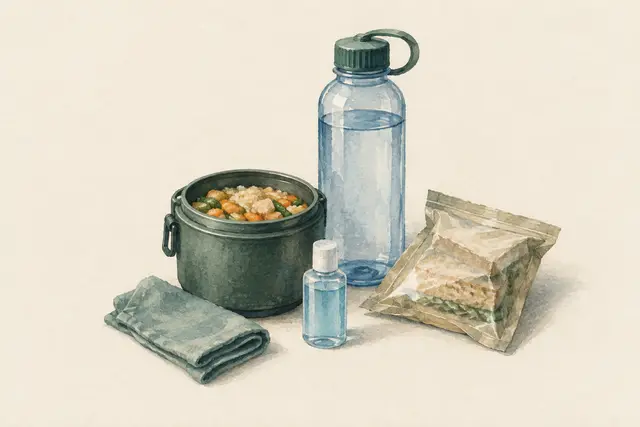
Safe food and water when travelling
Where drinking water and food hygiene are unsafe, travellers' diarrhoea is common. Thoroughly cooked food served hot, water from sealed bottles or self-treated water and consistent hand hygiene reduce the risk. No method offers complete safety.
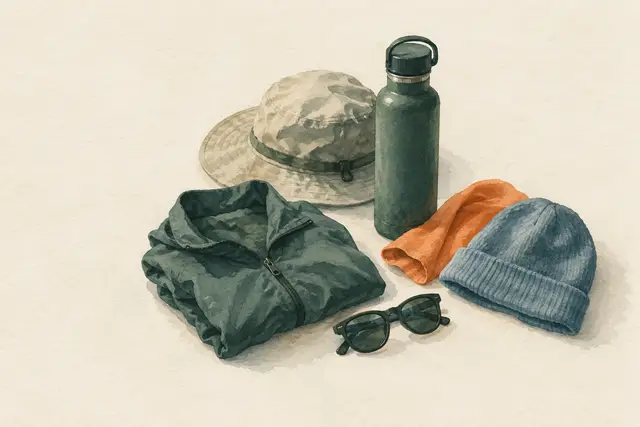
Heat and cold at the destination: take the first days carefully
Anyone flying from winter into the tropics or the other way round is not used to the new climate. The body needs days to adapt to heat; protection from cold comes mainly from suitable clothing. Plan the first days with short stages, plenty to drink, shade and breaks, and know the warning signs of heat or cold illness.
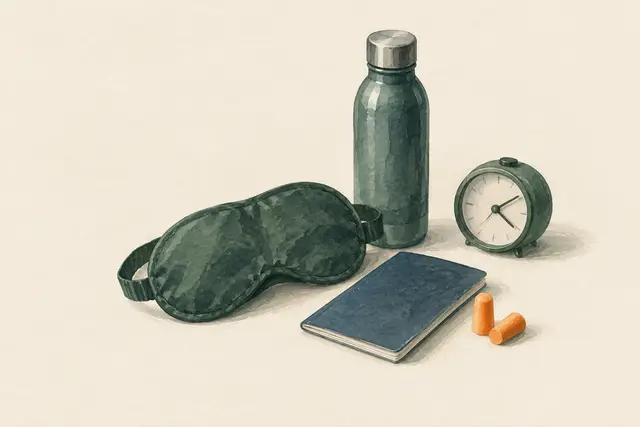
Jet lag and travel fatigue: no important decisions while exhausted
After long flights and time zone changes, attention, reaction and judgement are often impaired for days. So: avoid driving on the day of arrival if possible, no risky tours, no important contracts. Daylight, meals and sleep on local time help the body clock; medication for jet lag only after medical advice.
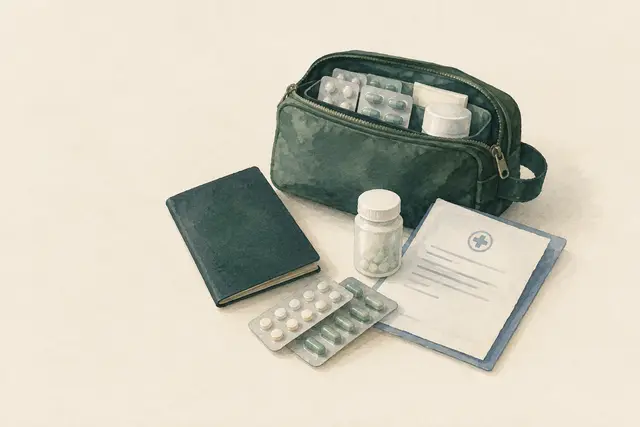
Travelling with medication: documents, hand luggage, customs
Regular medication belongs in hand luggage, in original packaging, with a reserve for delays and a doctor's certificate (ideally also in English) giving the active ingredient names. Some medicines – such as certain pain, sleep or ADHD medicines – are strictly controlled or banned in some countries. So check the rules of the destination and transit countries with official bodies before travelling.
Planned topics (2)
- Medical preparation
- Travel medical kit