
Natural disasters
Recognise warnings, act correctly
Preparation and correct behaviour in natural events – always complemented by instructions from the responsible authorities.
Method explorer
Which protective action fits which hazard – leave or stay?
Water
Floods: before, during, after
Floods and flash floods are among the deadliest natural hazards – often because people walk or drive through water. The most important rule: never walk or drive through flood water. Take warnings seriously, move to higher ground, follow the authorities' instructions and only return when they allow it.
Tsunami: natural warnings and going high at once
A tsunami can reach a coast before an official warning arrives. Natural warning signs are a strong or long earthquake at the coast, a sudden retreat or rise of the sea and a loud roar from the ocean. Then go inland or to higher ground at once – do not wait, do not watch – and return only after the official all-clear.
Flash floods: in valleys, underpasses and behind the wheel
Flash floods develop within minutes to a few hours of heavy rain – often where it is not raining at all: in narrow valleys, gorges, dry stream beds and underpasses. The key rule: never drive or walk through flooded roads ('Turn around, don't drown'), but move to higher ground at once.
Storm surge on the coast: know your zone, leave in time
In a storm surge, strong winds push seawater against the coast; together with tide and waves the water can reach far inland. Anyone living or holidaying in an exposed zone should know the evacuation zone, take warnings seriously and leave immediately when told – water, not wind, is the greatest danger here.
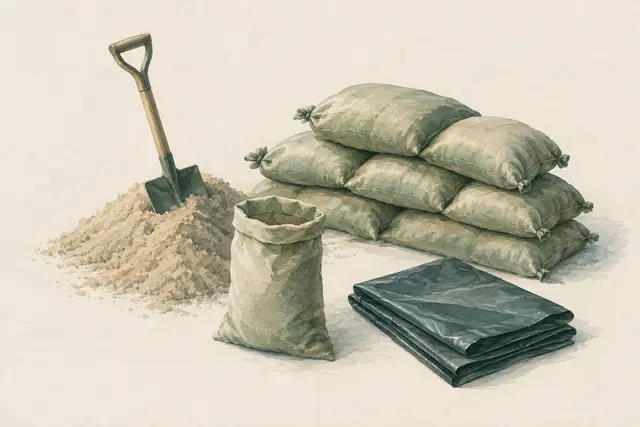
Filling and placing sandbags: the basics
Sandbags do not keep water out completely, but they can divert it and reduce inflow at doors, basement windows and light wells. What matters is correctly filled bags, staggered joints as in brickwork, firmly pressing down each layer and a sealing sheet. Many municipalities hand out sand and bags – follow local advice.
Planned topics (3)
- Floods
- Flash floods
- Tsunamis
Earth
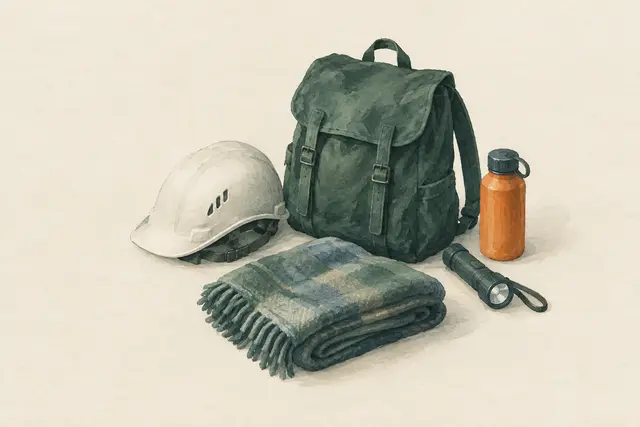
Earthquakes: Drop, Cover, Hold On
In an earthquake, many agencies recommend "Drop, Cover, Hold On": drop to your hands and knees, protect your head and neck – under a sturdy table if possible – and hold on until the shaking stops. Do not run outside during the shaking. Afterwards expect aftershocks, watch for damage and gas smells, and follow the authorities' instructions.
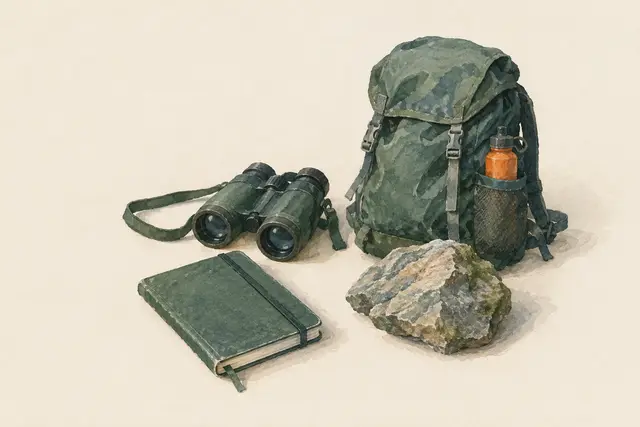
Landslides and debris flows: recognising warning signs
Landslides and debris flows occur mainly after heavy or prolonged rain, snowmelt or earthquakes and can come without much warning. New cracks, sticking doors, tilting trees, suddenly muddy or vanishing stream water and rumbling are warning signs. Then: get out of the way at once, sideways to the direction of movement, and inform the authorities.
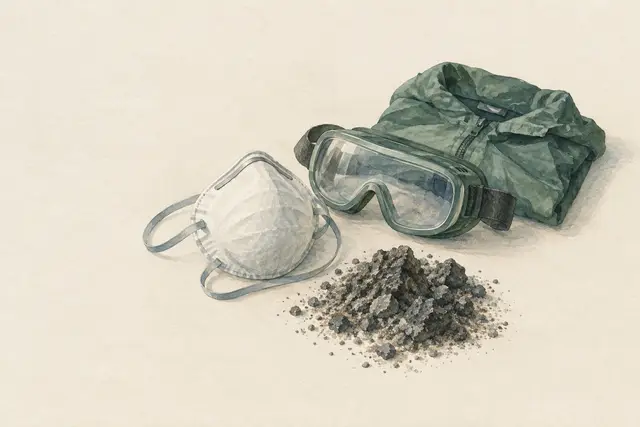
Volcanic ashfall
Volcanic ash is not soft dust but fine, sharp-edged rock and glass material. It irritates airways and eyes, makes roads slippery, clogs filters and can overload roofs – especially when wet. Stay indoors, close windows, wear a mask and goggles and follow the authorities' instructions.
Planned topics (4)
- Earthquakes
- Landslides
- Volcanoes
- Avalanches
Weather and climate
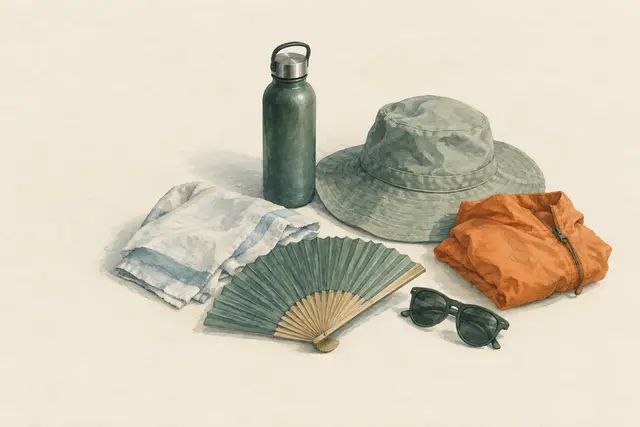
Heatwave: protecting yourself and others
Heatwaves are dangerous, especially for older people, young children, the chronically ill, pregnant women and people who work outdoors. Staying cool, drinking regularly, avoiding exertion in the midday heat and regularly visiting or calling people at risk are the most important measures. At signs of heatstroke, call the emergency number immediately.
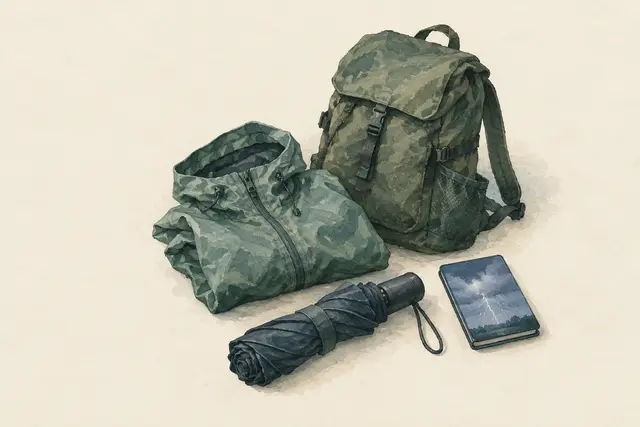
Thunderstorms and lightning outdoors
There is no truly safe place outdoors during a thunderstorm. Safe places are enclosed, substantial buildings and hard-topped metal vehicles with the windows closed. If you can hear thunder, you are within reach of lightning – seek shelter in good time and only go back out about 30 minutes after the last thunder. Checking the forecast beforehand is the best protection.
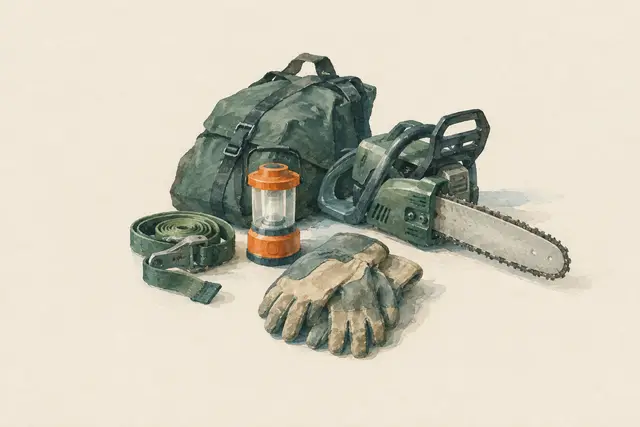
Windstorms and gales: before, during, after
In a windstorm the greatest dangers are falling branches, toppling trees, flying objects and torn-down power lines. Secure loose objects beforehand, stay indoors and avoid forests during the storm, keep away from lines afterwards and leave chainsaw clean-up to professionals.
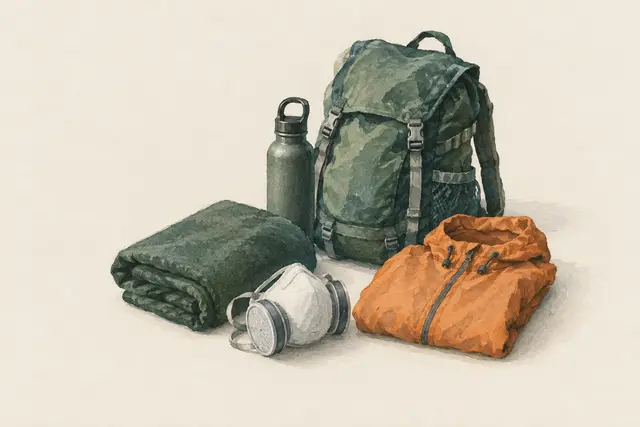
Wildfire nearby: leave early, avoid smoke
Wildfires can spread faster in wind than you can run or drive, and smoke harms health far away. The most important rule: leave early – at the latest when authorities tell you to, better as soon as danger is foreseeable. If you stay because there is no danger, protect yourself from smoke indoors.
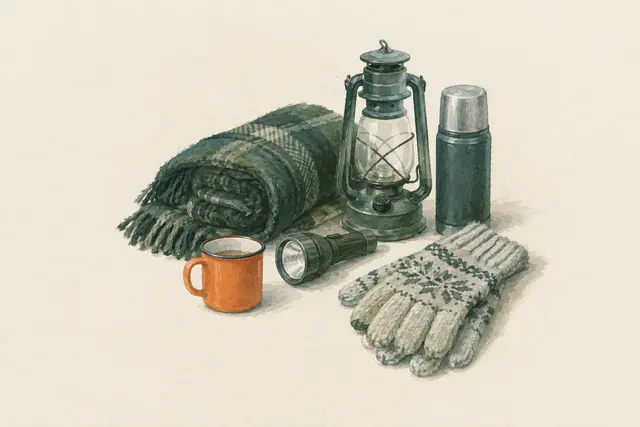
Heavy snow and ice storms
Snowstorms and freezing rain paralyse traffic and power grids, make roofs collapse under snow load and trees break under ice, and make every step risky. If you stay home, are prepared, know the carbon monoxide dangers and do not climb onto roofs, you get through safely.
Tornado: shelter in an interior room on the lowest floor
When a tornado warning is issued, minutes count. Protection is offered by a safe room, basement or windowless interior room on the lowest floor of a sturdy building – away from windows, doors and outside walls, with head and neck covered. Caravans, mobile homes and cars do not offer adequate protection.
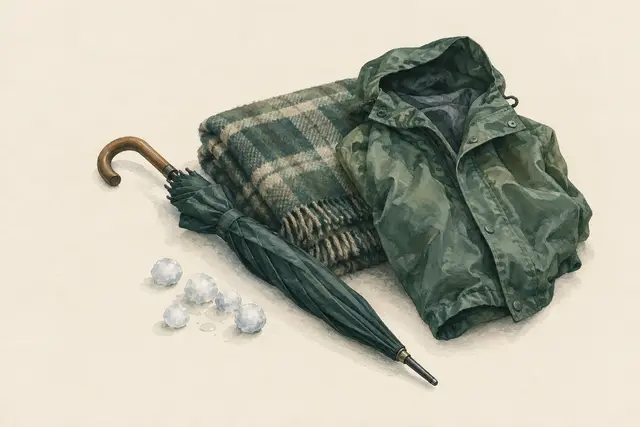
Hailstorms: protecting yourself, your vehicle and your home
Hail usually falls from strong thunderstorms and can damage people, cars, roofs and windows. A solid building away from windows and skylights offers protection. If caught in a car, stop safely and stay inside. Because hail usually comes with lightning, thunderstorm rules apply too.
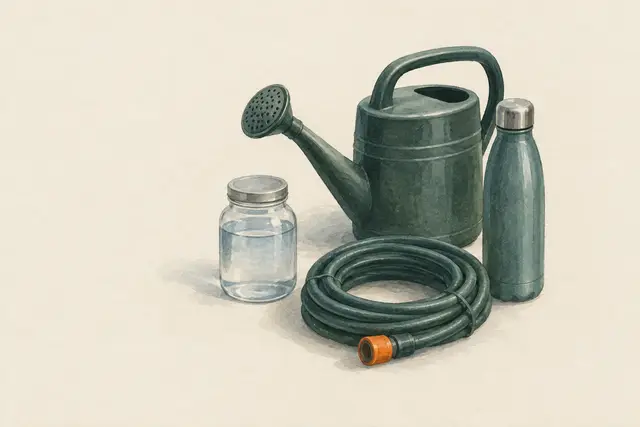
Drought and water restrictions at home
During prolonged drought, utilities and authorities may restrict water use, for example for garden watering, filling pools or washing cars. Knowing the restrictions, saving water indoors, watering the garden wisely and still keeping a drinking-water reserve relieves the network and keeps you able to cope. Which rules apply is decided by the local authority.
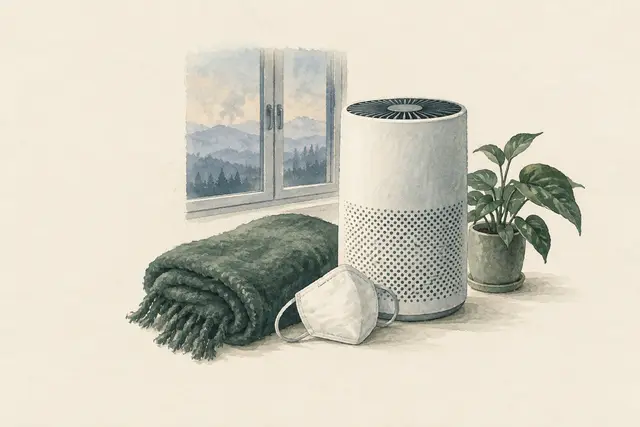
Wildfire smoke: keeping clean air at home
Smoke from wildfires can travel hundreds of kilometres and contains fine particles that strain the airways and circulation. At home it helps to follow official air-quality information, close windows and doors, set up a 'clean air room' with a HEPA air cleaner, avoid creating extra pollutants and avoid exertion outdoors. Sensitive people need particular protection.
Planned topics (8)
- Storms
- Tornadoes
- Hurricanes
- Blizzards
- Heatwaves
- Extreme cold
- Drought
- Wildfires
Planning
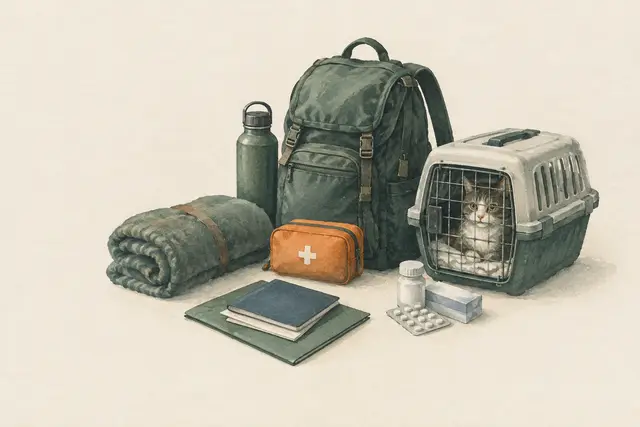
Evacuation: following official instructions
When the authorities call for evacuation, acting immediately is right – delay puts people and rescuers at risk. Take your go bag, documents, medication and pets, use the designated routes, inform your contact person and return only when the authorities allow it. Good preparation turns minutes into enough time.
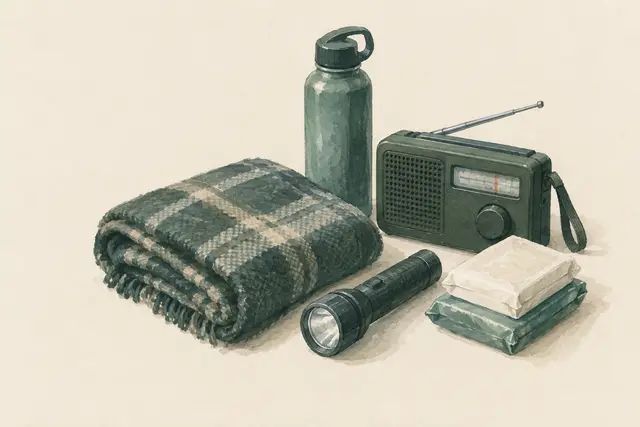
Chemical or industrial accident: sheltering in place
When authorities warn of hazardous substances after a fire, chemical or transport accident, a building is usually the best protection: go inside, close windows and doors, switch off ventilation and air-conditioning, move to an interior room and follow the radio or warning app. Children stay at school or childcare.
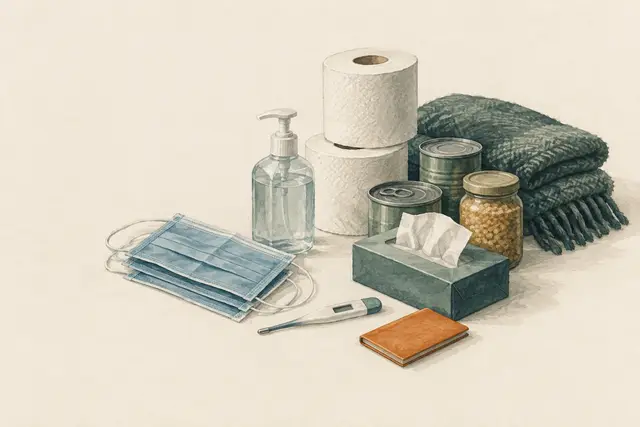
Pandemics: household basics
In a pandemic everyday life, work, school and supplies change, often for months. For the household what counts is good hygiene, a small stock for periods of isolation, a plan for caring for sick relatives and for childcare – and above all the advice of the responsible public health authorities.
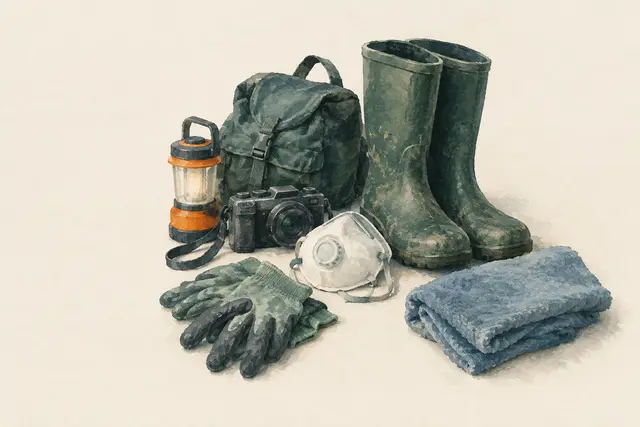
After the disaster: returning home safely and cleaning up
After floods, storms, fires or earthquakes many accidents only happen when returning and cleaning up: damaged buildings, gas and electricity, carbon monoxide from generators, mud and mould. Return only when cleared, check the building from outside, photograph damage before cleaning up, work with protective equipment and dry out quickly.
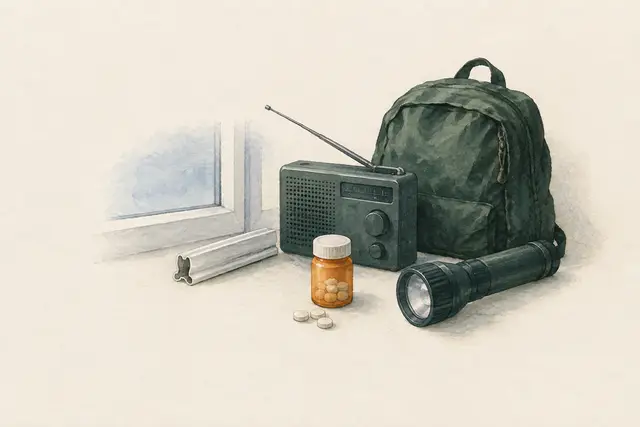
Radiological emergency: get inside, stay inside, stay tuned
In an accident involving radioactive material, a solid building offers the best protection: get inside immediately, close windows and doors, switch off ventilation, go to the middle of the building or the basement and follow official information. Take iodine tablets only when the authorities tell you to – they protect only the thyroid and only against radioactive iodine.

Understanding warning signals and sirens and responding correctly
Sirens, warning apps, cell broadcast, radio and loudspeaker announcements complement each other. A siren usually only says: 'Attention – get informed.' Knowing the local signals means knowing what to do: go inside, close windows, switch on the radio or warning app and follow instructions. Signals and channels differ between countries – check locally.

Documenting damage for insurance – before and after
A good claim starts before the event: with an inventory, photos of every room and receipts and policies stored safely. After damage, safety comes first; then inform your insurer early, photograph everything before cleaning up, prevent further damage within reason and record every expense and every conversation.
Planned topics (3)
- Evacuation planning
- Warning signals
- Regional risk preparedness