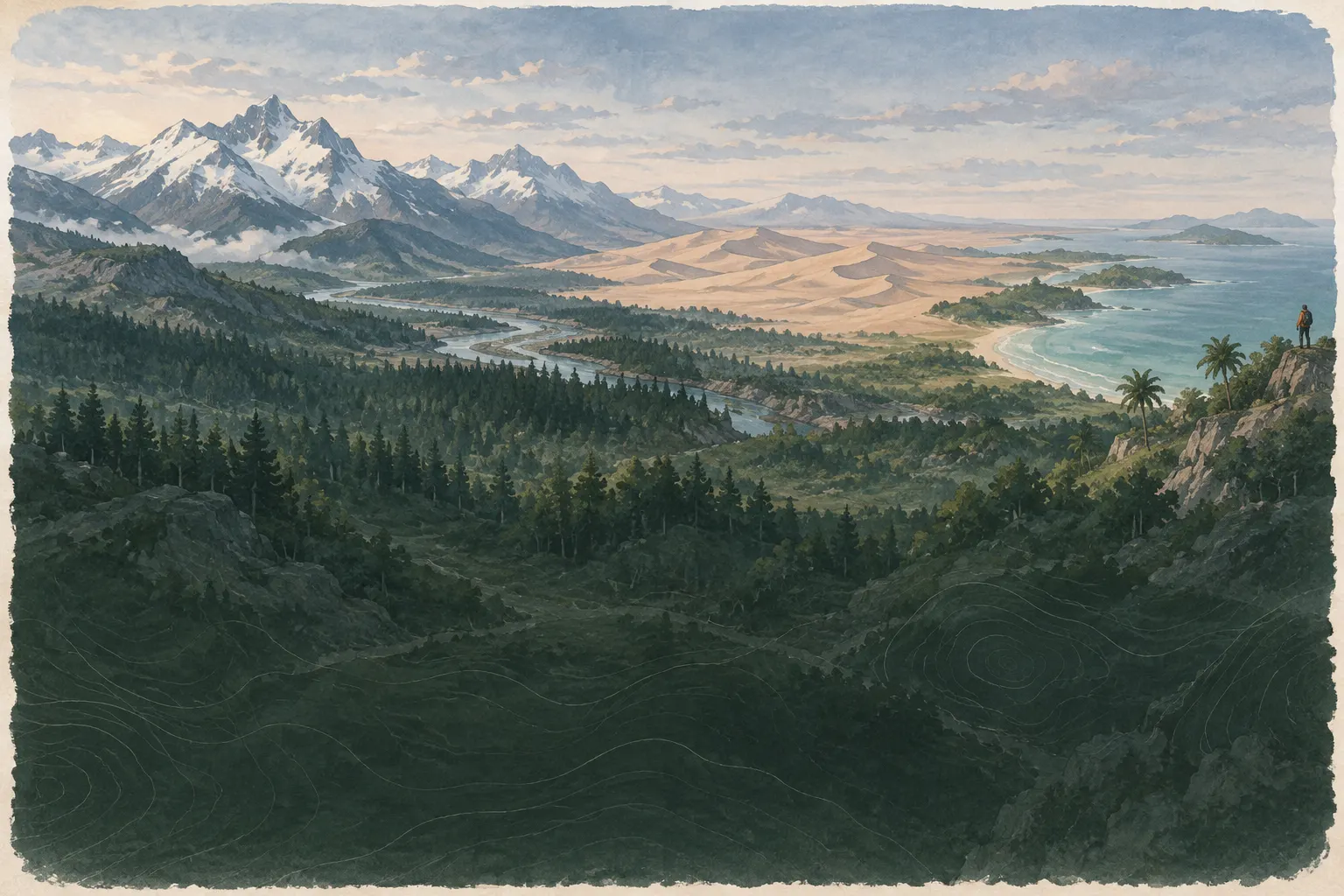
Climate and extreme environments
What makes each environment different
Mountains, desert, arctic, tropics, coast: the same task needs different solutions in each environment.
Cold, snow, mountains
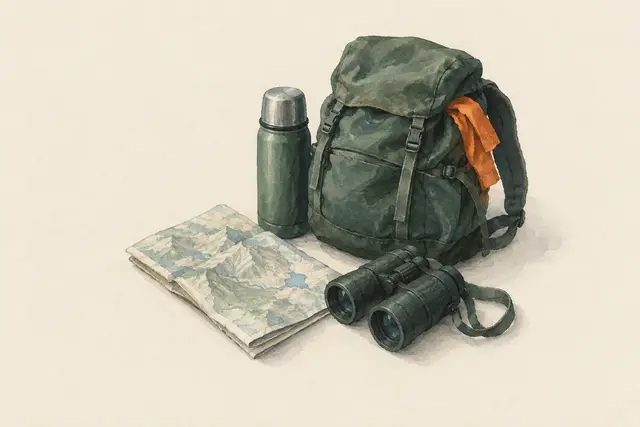
In the mountains: recognising weather changes and turning back in time
In the mountains the weather can change within a short time: thunderstorms, fog, wind and a sudden drop in temperature turn an easy outing into a serious situation. The most important skill is not stamina but setting a turnaround time and keeping to it – even just below the summit.
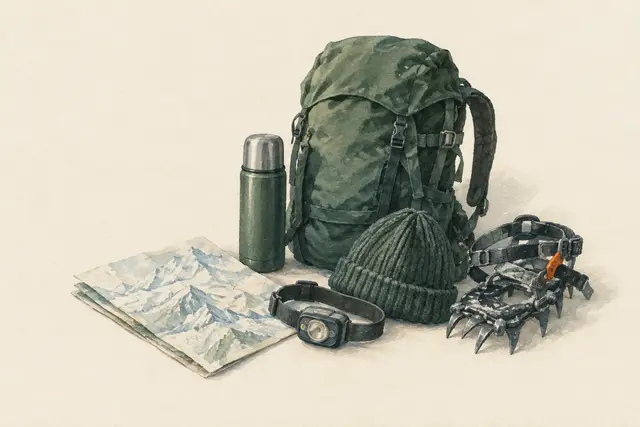
Out in snow and winter
In winter everything becomes slower and scarcer: days are short, cold costs energy and battery charge, tracks drift over, and in steep terrain there may be avalanche danger. Choosing shorter goals, starting early, staying dry and taking the avalanche bulletin seriously reduces the typical winter risks.
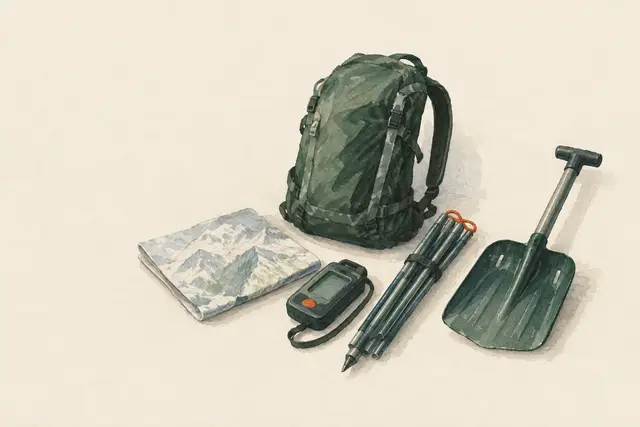
Avalanche terrain: basics and limits
Anyone in winter terrain away from secured pistes and cleared paths may be in avalanche terrain. Read the avalanche bulletin, avoid terrain you cannot assess, and get training before entering such terrain. Emergency equipment only helps if you can use it – and it does not prevent avalanches.
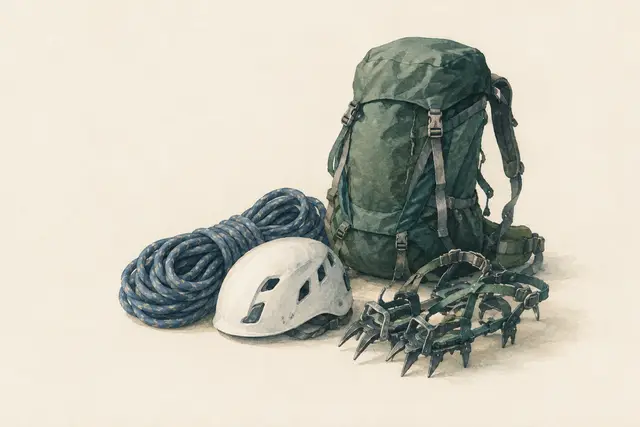
Glaciers: why training or a guide is needed
Glaciers are not snowfields: crevasses can be hidden under snow bridges, icefalls and moraines are unstable, meltwater streams are dangerous. Only go onto a glacier in a trained rope team with crevasse rescue skills or with a certified mountain guide. Never enter ice caves or glacier snouts.
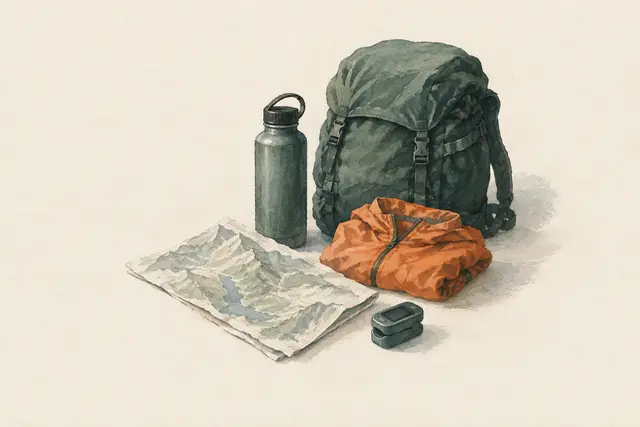
High altitude: recognise altitude illness and descend
As altitude increases, air pressure falls and with it the oxygen available. Anyone who ascends too fast can develop altitude illness – from headaches to life-threatening high-altitude pulmonary or cerebral oedema. The key rules: ascend slowly, do not go higher with symptoms, descend if things get worse and get help.
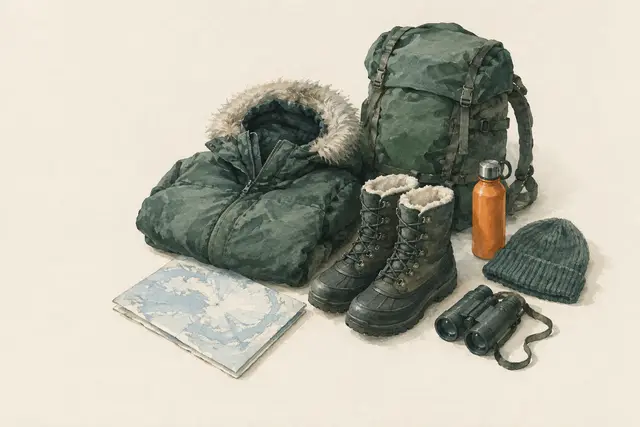
Polar regions and tundra: overview and expedition preparation
The Arctic, Antarctic and tundra combine extreme cold, strong wind, great remoteness and unusual light. In summer the tundra turns into a wet, mosquito-rich surface over permafrost. Anyone who wants to go there first gains winter experience in nearer regions, takes training and travels with experienced guides or an organised expedition.
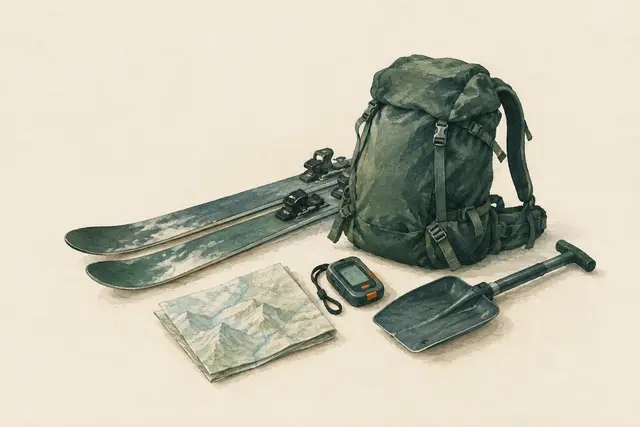
Ski areas off-piste
A few metres beside the marked run, uncontrolled terrain begins: no avalanche control, no patrol checks, rocks, gullies and tree wells. Anyone who wants to ride there needs avalanche training, rescue equipment, the current avalanche bulletin and, at first, a mountain guide. Closed runs and areas are off-limits.
Planned topics (4)
- Alpine regions
- Arctic regions
- Snow and ice
- Extreme cold
Heat and drought
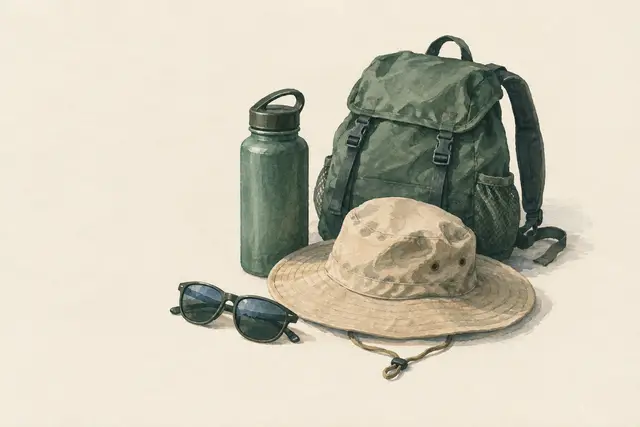
In hot and dry areas
In heat and drought, water, shade and time of day are decisive. Travelling in the cooler hours, carrying enough water rather than hoping for sources, protecting yourself from the sun and avoiding dry riverbeds when thunderstorms threaten avoids the greatest dangers: heat illness, lack of water and flash floods.
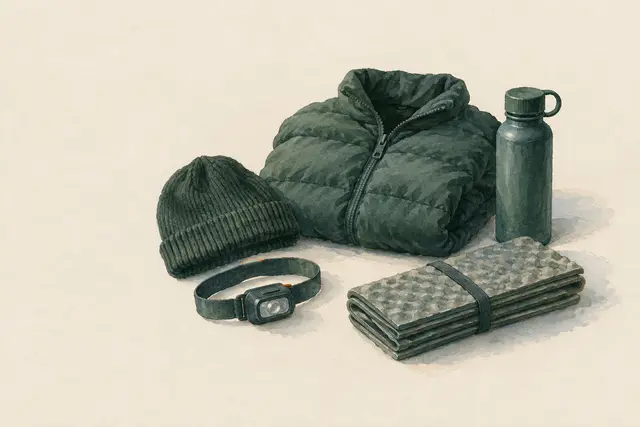
The desert at night: cold and darkness
Deserts are often surprisingly cold at night: dry, clear air lets the day's heat radiate quickly into the sky. Anyone who packs only for heat will freeze. Walking at night avoids the heat but brings its own risks: trip hazards, navigation, active animals. A warm layer, ground insulation and light belong in every desert pack.
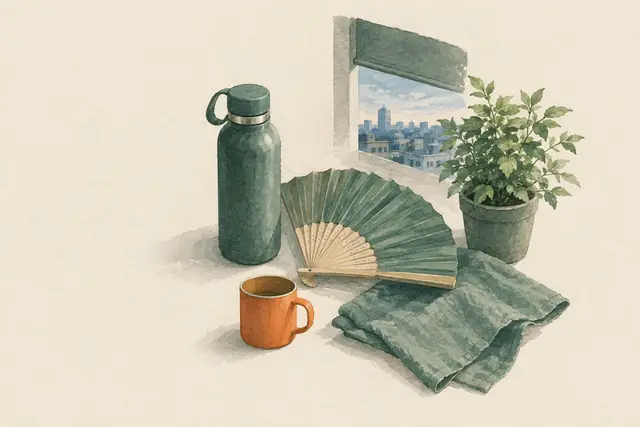
Heat in the city: the urban heat island
Cities are often warmer than their surroundings, especially at night: concrete, asphalt and walls store the day's heat and release it in the evening, while greenery and wind are lacking. Top-floor flats and densely built districts heat up most. Ventilating at night, shading by day, knowing cool places and looking out for neighbours make heatwaves safer.
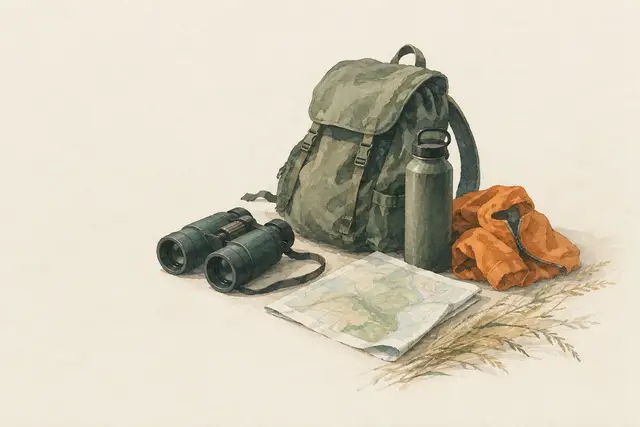
Savanna, steppe and dry grassland: fire risk
Dry grass burns faster than almost any other fuel in the landscape. With wind a fire front can move faster than a person can run. In grassland, safety means: know the fire danger, create no ignition sources, keep escape routes in mind and leave early when you see smoke – do not wait.
Planned topics (2)
- Deserts
- Extreme heat
Wet and tropical
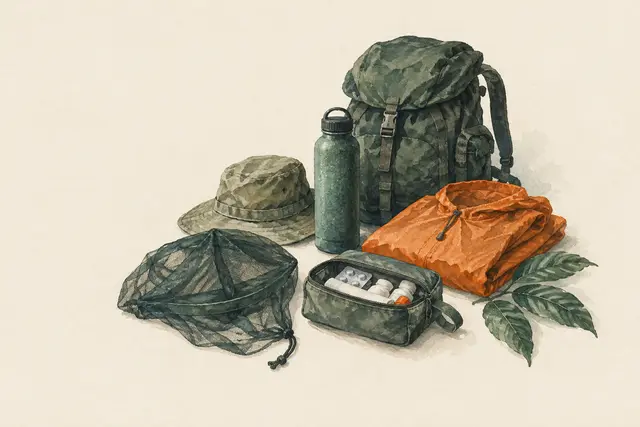
Tropical rainforest and humid heat
In humid heat sweat evaporates poorly, so the body barely cools down yet still loses a lot of water. Add heavy rain, fast-rising rivers, dense vegetation, insects that transmit disease and skin that never dries. Preparation starts with travel-medicine advice and ends with a slow pace on the ground.
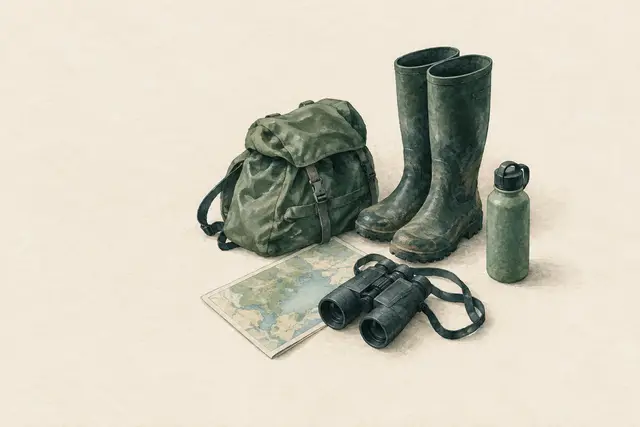
Bogs, swamps and wetlands
Wetlands often look walkable but are not: under moss and grass lie water-filled holes, soft mud and cold water. Do not leave paths and boardwalks, do not go alone and turn back in fog. Many bogs are also protected – walking off the paths may be prohibited.
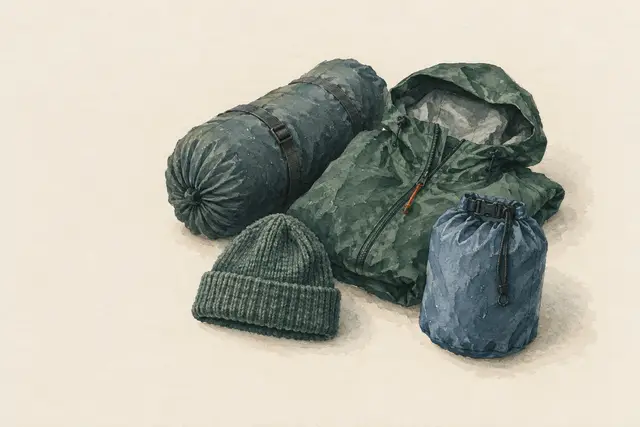
Days of rain in a temperate climate
Several days of rain at 5 to 12 degrees are often more dangerous outdoors than dry frost: clothing and sleeping bag gradually get damp, the body cools down, streams rise and slopes become unstable. People who get through a wet week well keep one dry set for the night, dry things consistently and plan alternative routes.
Planned topics (3)
- Tropics
- High humidity
- Heavy rain
Coasts and waters
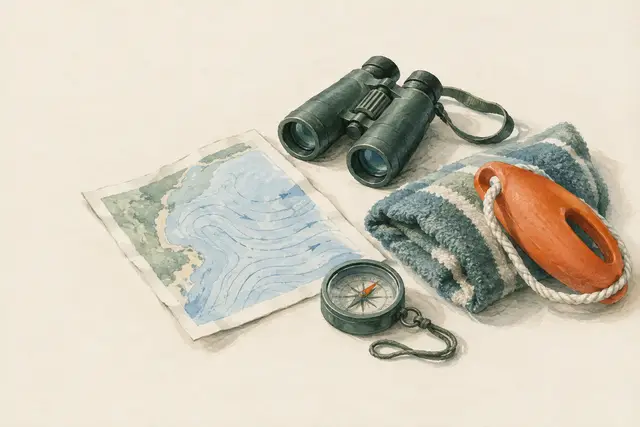
On the coast: tides, currents, waves
The coast is deceptive: the rising tide can cut off routes, rip currents pull swimmers out to sea, and single large waves reach rocks that looked dry. Checking local tide tables, swimming at lifeguarded beaches and not swimming against a current avoids the most common coastal emergencies.
Rivers and streams: when not to cross
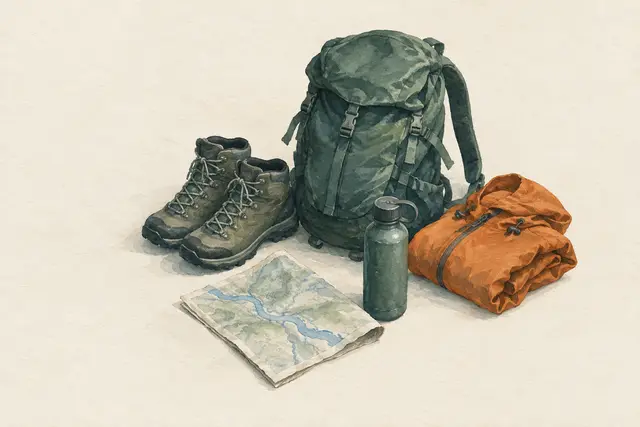
Moving water is one of the most underestimated hazards outdoors. Depth and current are deceptive, even knee-deep fast water can knock you over, and anyone who falls is pushed against obstacles. The safest decision is almost always: do not cross – find a bridge, wait for the water to drop, or turn back. Never cross floodwater or flooded roads.
Lakes and ice
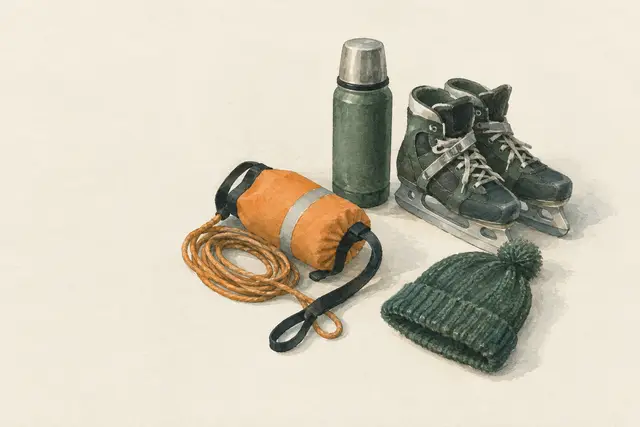
You cannot reliably tell from the outside whether ice will hold. Only walk on ice when the responsible authority has opened it – otherwise do not. If you fall through, calm comes first: settle your breathing, turn back towards where you came from, slide flat onto the ice and roll away. Helpers do not go onto the ice but call emergency services and help from the shore.
Sea cliffs, islands and open water
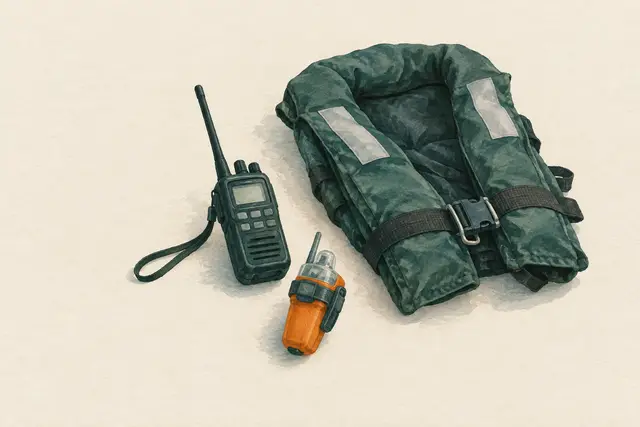
Cliff edges break away without warning, at the foot of sea cliffs rockfall and the tide threaten. On islands everything depends on ferries and weather, and help is further away. On open water a lifejacket, radio and distress beacon decide. Keep your distance, take the weather seriously, stay reachable.
Planned topics (4)
- Coasts
- Islands
- Rivers
- Lakes
Forest and terrain
In the forest: recognising hazards, keeping your bearings
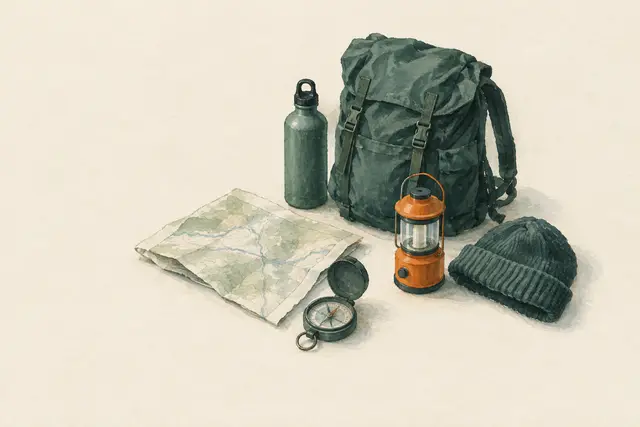
The forest offers shelter from wind, firewood and often water – but also its own hazards: falling branches and toppling trees in storms, poor visibility for navigation, ticks and, in dry periods, wildfire danger. Choosing camp sites by looking up and avoiding the forest during storms prevents the most common problems.
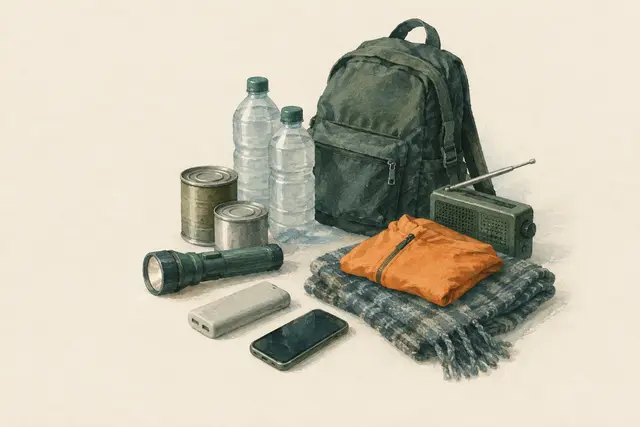
The city in a crisis
Cities depend heavily on electricity, water pumps, transport and supply chains. When these fail, lifts, water on upper floors, card payments and communication quickly become a problem, and many people are affected at once. Supplies at home, local knowledge, contact with neighbours and official information sources matter more in a city than outdoor skills.
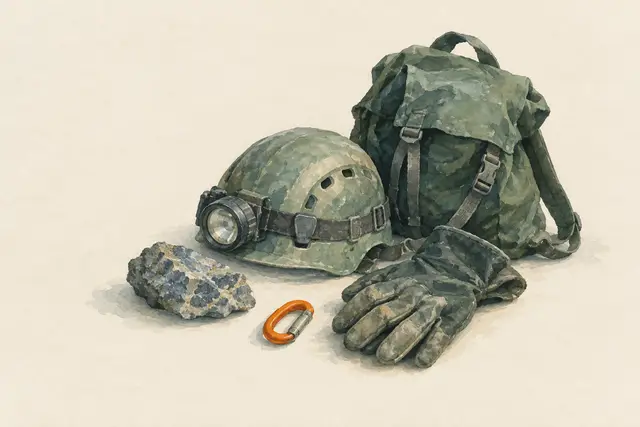
Caves, tunnels and old mines: stay out
Abandoned mines and tunnels are deadly: oxygen deficiency and toxic gases are invisible, roofs collapse, vertical shafts are hidden. Natural caves can flood when it rains and are a maze. The rule is simple: stay out – visit caves only on guided tours or with a caving club, mines only as show mines.
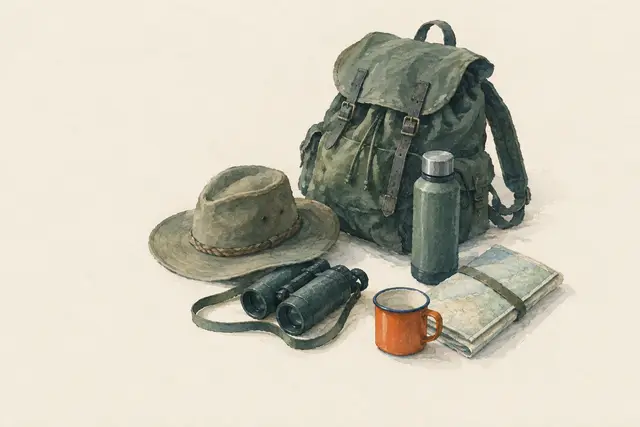
Steppe, open plains and wind
Open terrain lacks windbreaks, shade and landmarks. Wind chills the body strongly, dries it out, drives dust and grass or bush fires. In a thunderstorm you are often the highest point. Anyone travelling here deliberately plans windbreaks, water, navigation and places to retreat.
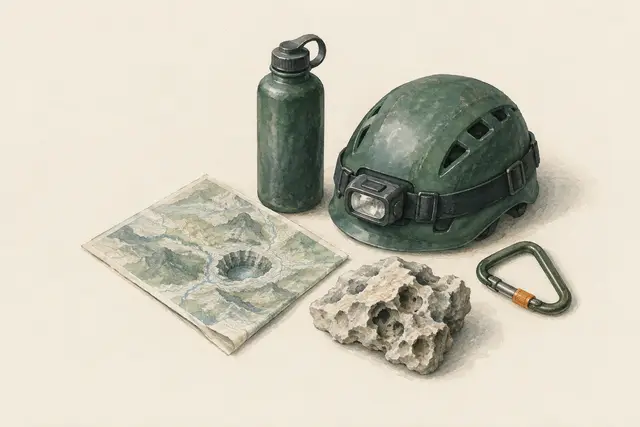
Karst landscapes and sinkholes
In limestone, dolomite and gypsum areas water slowly dissolves the rock. This creates caves, dolines and disappearing streams – and occasionally sinkholes collapse suddenly. On the trail this means: keep away from the edges of hollows and shaft openings, always treat water from karst springs and only enter caves on guided tours.
Volcanic and geothermal areas
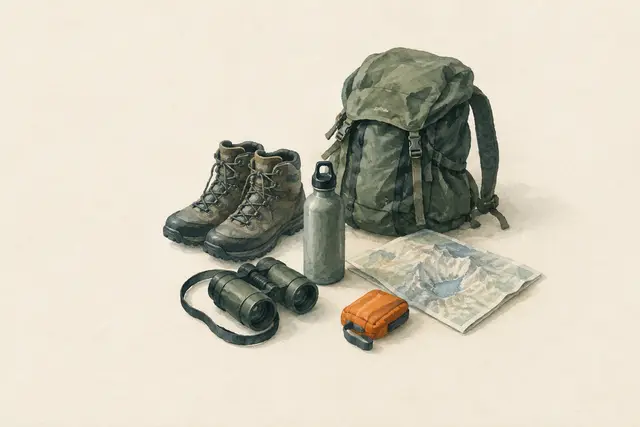
Volcanic areas are dangerous even without an eruption: gases collect invisibly in hollows, hot ground and thin crusts over boiling water can collapse, slopes are loose. The most important rule: follow closures, alert levels and instructions from the authorities, stay on marked paths and boardwalks and leave immediately upwind if you smell gas or feel unwell.
Pastures, fields and farms: out in farmland
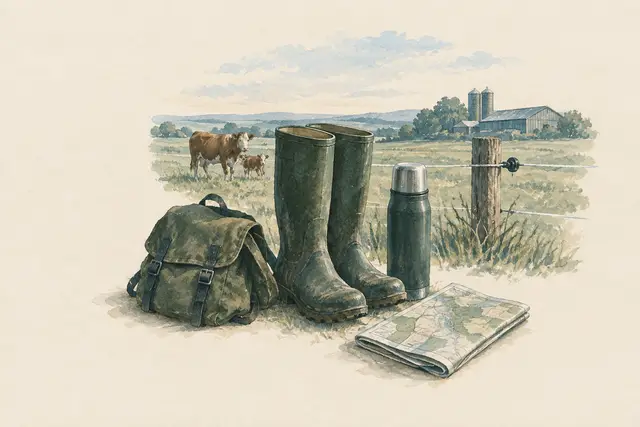
Farmland looks harmless but has its own risks: cattle with calves defend their young, electric fences, machinery at harvest, slurry stores and silos. In addition the land belongs to someone, and access rights differ greatly from country to country. Respect for animals, property and work protects everyone.
Subways and tunnels: emergencies underground
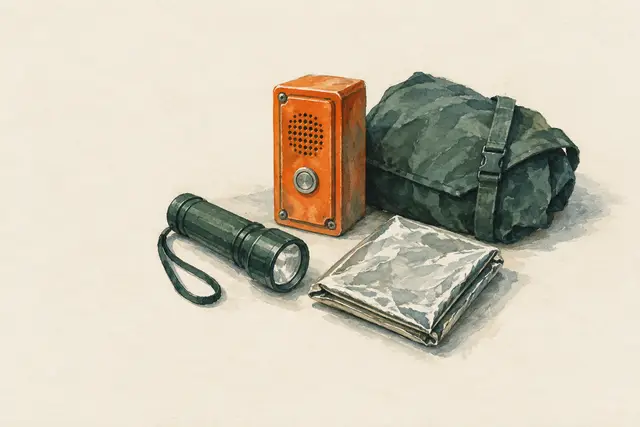
A train stuck in a tunnel, smoke on the platform, a power cut in the station: underground, safety depends on staying calm and following staff instructions. The track is off-limits – power rails can be live and trains can come. Know the emergency call points and notice escape routes when you board.
Planned topics (3)
- Forests
- Strong wind
- Terrain hazards