Sea cliffs, islands and open water
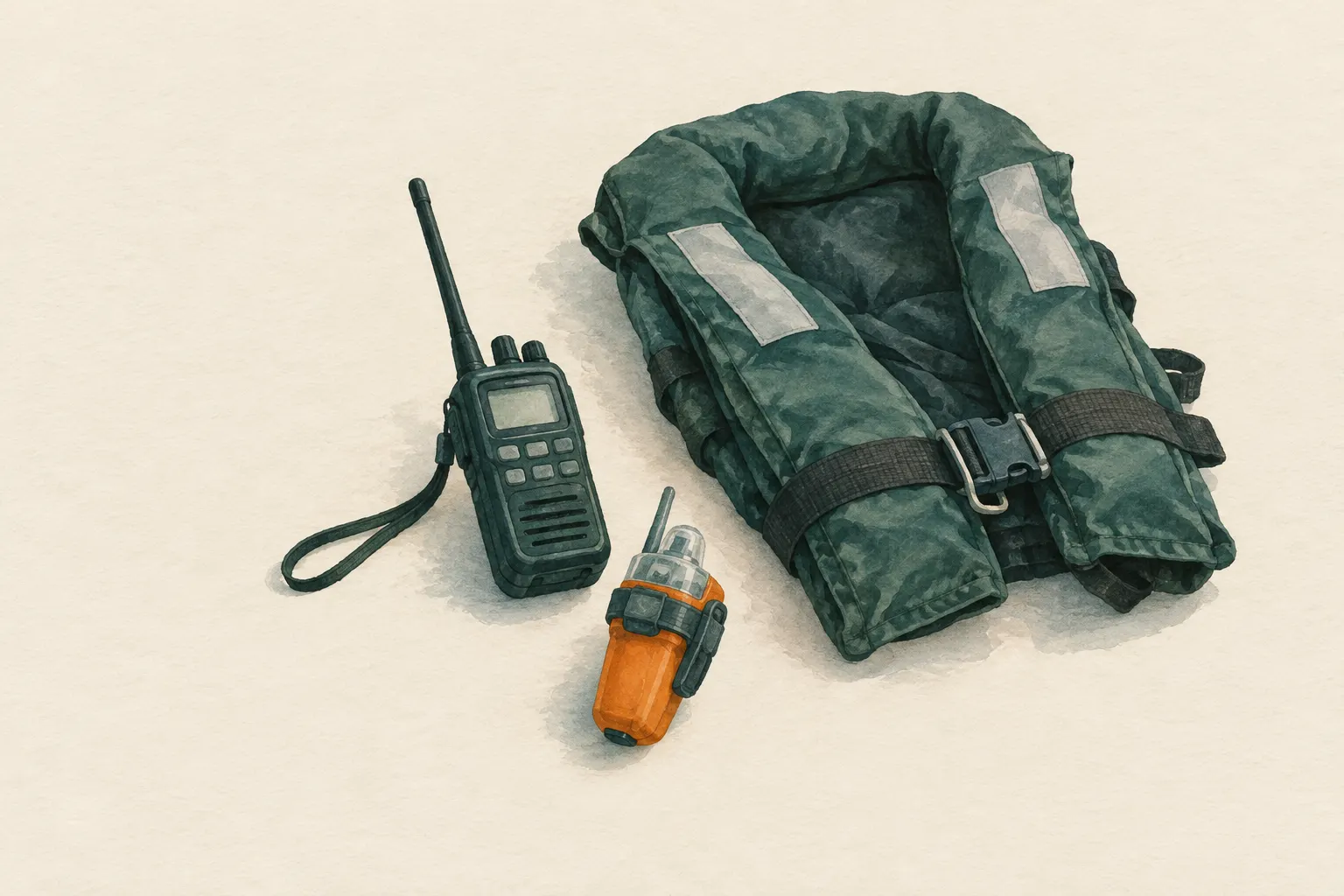
Cliff edges break away without warning, at the foot of sea cliffs rockfall and the tide threaten. On islands everything depends on ferries and weather, and help is further away. On open water a lifejacket, radio and distress beacon decide. Keep your distance, take the weather seriously, stay reachable.
- Planning before the outing
Explained simply
A sea cliff is a tall rock wall right by the sea. It looks as solid as a house, but the waves keep gnawing at its base, and rain and frost loosen it from above. That is why pieces of the edge can suddenly break off – without warning. And at the foot of the wall, stones can fall down.
On an island many things are different from the mainland. Ferries and boats are your bridge to the rest of the world. When a storm comes, they may not run, and help takes longer. Out on the open sea there is no shelter at all from wind and waves.
The most important thing: always keep well back from the cliff edge, even for a great photo. And when you go on a small boat, you wear a lifejacket. Cold water is dangerous even for very good swimmers.
How it works
Sea cliffs form because the sea washes out the base of the rock. Waves hurl water and stones against the wall until a notch forms. Eventually the rock above hangs without support and breaks away. Rain seeping into cracks and frost expanding the water in them loosen the rock even further. Collapses are therefore a natural, ongoing process – and so they cannot be predicted.
What makes it especially treacherous is that the edge can look solid from above even though it is already undercut. Grass and soil can lie like a roof over a hollow. After rain, in wet conditions and in strong wind, the risk rises that parts give way or that you slip.
On the water another factor comes in: water draws heat from the body much faster than air does. People who fall unexpectedly into cold water often react with a sharp gasp and rapid breathing – known as cold shock. At that moment it is easy to breathe in water.
Safety: what to watch out for
Stay on the paths, respect barriers and warning signs, and do not go to the edge for photos. Hold children by the hand and keep dogs on a lead – a dog chasing a bird or a ball notices the edge too late. In wind, wet weather and after rain, keep even further back than usual.
Down on the beach something else applies: do not rest directly below cliffs, because rockfall can strike there. Check the tides before walking along the water below cliffs. The incoming tide can cut off your way back, and a steep rock wall offers no way up.
In an emergency on the coast or at sea, alert the local emergency number (112 in the EU) or the coastguard. At sea, VHF marine radio is the usual way to send a distress call; using it requires its own training and licence depending on the country. Before every boat trip, tell someone on land where you are going and when you plan to be back.
Islands: everything depends on the weather
If you are on an island, you depend on ferries, boats or flights. Storms, fog and rough seas can interrupt these links for hours or days. So do not plan on the last ferry of the day but with a buffer – a missed appointment is annoying, a risky crossing in a storm is dangerous.
Take medication you need regularly for a few more days than planned, as well as some extra supplies. Small islands often have only limited medical care, and a rescue transfer can depend on the weather. Follow the weather forecast and the ferry operator's notices.
Unexpectedly in the water
If you fall unexpectedly into the water, do not fight the waves straight away. The British lifeboat charity RNLI advises first lying back and floating until your breathing has calmed. After that you can think more clearly, shout or wave for help and move towards something that floats or towards the shore.
A lifejacket keeps you afloat without any effort of your own – exactly when cold shock takes away your control. That is why you wear it on small boats rather than just having it on board. Carry means of communication such as a phone, radio or distress beacon in waterproof packaging.
Good to know
Distress signals at sea are regulated internationally, in Annex IV of the collision regulations. That way every ship understands that someone needs help. Anyone who wants to skipper a boat or use marine radio needs training and often a licence, depending on the country – this text does not replace seamanship.
Most hazards on sea cliffs are easy to avoid with distance and planning. If you stay on the path, know the tides, allow a buffer for ferries and wear a lifejacket on the boat, you can enjoy the coast in peace.
Step by step
Keep back from the edge
Stay on paths, respect barriers, do not go to the edge for photos.
- 1
Keep back from the edge
Stay on paths, respect barriers, do not go to the edge for photos.
- 2
Avoid the cliff base
Do not rest directly below cliffs (rockfall) and check the tides before walking below cliffs on the beach.
- 3
Plan island stays
Allow a buffer for cancelled ferries, take supplies and medication for a few extra days and follow the forecast.
- 4
On the water
Wear a lifejacket, tell someone your route and return time and carry means of communication in waterproof packaging.
Common mistakes
- Stepping to the cliff edge for a photo
- Picnicking below the cliffs
- Planning on the last ferry without a buffer
- Not wearing a lifejacket on a boat
Quick view
Materials
Mobile phone
In waterproof packaging
The battery drains quickly in cold and with continuous screen and GPS use.
Do not plan on it as your only means of navigation or emergency calls.
Marine VHF radio
Operating it requires an operator certificate and licence in many countries – check local rules.
Personal locator beacon (PLB)
Register under your country's rules and keep the registration up to date.
Activate only in genuine distress; observe battery and expiry dates.
Suitable for
- Coastal walks
- Island stays
- Boat trips as a passenger
Not suitable for
- Sea-cliff climbing
- Skippering a boat (own training and rules)
Prerequisites
- Local tides and weather
- Ferry and return times
Safety
- Wear a lifejacket on small boats. Cold water is dangerous even for good swimmers.
How it works
Sea cliffs are undercut by waves and loosened by rain and frost – collapses are a natural process. Islands depend on transport links that weather can quickly interrupt. On open water there is no shelter from wind and waves, and water draws heat from the body much faster than air.
Advantages
- Hazards are easy to avoid with distance and planning
Disadvantages
- Collapses unpredictable
- Help on islands and at sea is often far away
Deep knowledge
Background
The British lifeboat charity RNLI advises keeping back from cliff edges, checking tides and calling the coastguard in an emergency. Distress signals at sea are defined internationally in Annex IV of the collision regulations (COLREGs).
Skippering and marine radio have their own training and licence requirements depending on the country – check local rules.
Variants
- Unexpectedly in the water
- First float on your back until breathing calms, then signal for help – see coast and tides.
Common mistakes
- Stepping to the cliff edge for a photo
- Picnicking below the cliffs
- Planning on the last ferry without a buffer
- Not wearing a lifejacket on a boat
Limits and risks
- No seamanship
- No tide data
Material alternatives
Derived from material properties: a substitute must have all relevant properties. Observe the notes on the substitute.
- Mobile phone
- Headlamp / flashlight, Battery lantern / LED light
Results come exclusively from structured entries. No improvised instructions are generated.
Sources
Royal National Lifeboat Institution (RNLI), UK: Respect the Water – Float to Live
Safety on coasts and cliffs, calling the coastguard
International Maritime Organization (IMO) (1972): Convention on the International Regulations for Preventing Collisions at Sea, 1972 (COLREGs) – Annex IV: Distress signals
International distress signals at sea
European Commission: 112 – the European emergency number
European emergency number 112