
Psychology and decisions
Thinking clearly under pressure
Stress, panic and exhaustion affect decisions. Knowing the mechanisms helps you prioritise better.
Method explorer
What helps in a crisis when stress takes over – in me or in others?
Stress and panic
Stress in emergencies: what happens in body and mind
In sudden danger the body switches to alarm: heart and breathing speed up, vision narrows, fine movements and clear thinking become harder. Some people act frantically, others freeze. These are normal reactions to an extraordinary situation. Knowing them helps you counteract them – with simple routines, checklists and a deliberate pause.
STOP: from shock to the next step in seconds
When fear or panic rises and no immediate danger forces you to act at once, a short, fixed sequence helps: stop, breathe out slowly and come back to the here and now, think, observe, plan the next small step. The sequence is based on the well-known STOP rule for people who are lost and can be used anywhere.

When professional help is needed
Most people recover after distressing events with support from family and friends. Immediate help – via the local emergency number (112 in the EU) or a local crisis line – is needed by anyone thinking about suicide, endangering themselves or others, or losing touch with reality. Timely professional help makes sense when strong distress does not ease over weeks or paralyses daily life.

Psychological first aid for lay helpers: look, listen, link
Psychological first aid is not therapy but humane, practical support for people shortly after a distressing event. The WHO guide describes three action principles: look for safety and urgent needs, listen without pressuring, and link people with information, loved ones and services.
The weeks after an event: normal reactions and self-help
After an accident, fire or disaster, sleep problems, recurring images, irritability or exhaustion are common and fade over time for many people. Rest, structure, social contact and caution with alcohol support recovery. If symptoms persist or get worse, professional help makes sense.

Limiting information overload: a conscious news diet
Constantly following breaking news, live blogs and videos can increase anxiety without improving safety. Fixed information times, a few reliable sources and deliberate breaks help you stay informed while still being able to rest.
Staying safe in crowds: recognise density, move away early
A crowd becomes dangerous mainly through excessive density, not primarily through "panic". Knowing the exits, noticing growing crowding early, moving to the edge and not fighting against the flow clearly reduce the risk. At large events a meeting point and a charged phone help.
Preparedness without fear: turning worry into small plans
News about crises can trigger a sense of helplessness. Preparedness helps best when it is concrete, limited and achievable: name one worry, plan a small step and do it, then deliberately turn to something else. The goal is the ability to act, not constant alertness.

Guilt after a crisis: a normal reaction, and when help is needed
After disasters many people ask: "Why me and not the others?" or "Could I have done more?". Such feelings of guilt and shame are common reactions and not a sign of weakness. Talking about them, judging your past situation fairly and keeping up daily life and contacts helps. If feelings persist, intensify or thoughts of self-harm arise, get help immediately.
Self-care for helpers: avoiding burnout
People who help others in crises – as neighbours, volunteers or family carers – often forget themselves. Exhaustion, irritability, sleep problems and withdrawal are warning signs. Fixed breaks, shifts, food and sleep, sharing within the team and clear boundaries are not weakness but the precondition for being able to help for longer.
Planned topics (3)
- Stress
- Panic
- Psychological strain in crises
Decisions
Good decisions under pressure: priorities and thinking traps
Under stress people fall back on shortcuts: they cling to the original plan, underestimate new dangers or follow the crowd. A simple priority list – first danger to life, then injuries, protection from the weather, water, communication, food – and turnaround and trigger points set in advance help to avoid such thinking traps.

Recognising rumours and misinformation in a crisis
In crises rumours spread fast because information is lacking and fear is high. False reports can lead to dangerous decisions, such as wrong evacuation routes or panic buying. Knowing official sources, checking reports and forwarding nothing unchecked protects you and others.

Reducing decision load in long crises
In crises decisions come up constantly – often tired, under time pressure and with incomplete information. Using routines, checklists and rules agreed in advance, sharing decisions and putting important questions into rested moments saves strength for what really matters.
Planned topics (4)
- Risk perception
- Prioritisation
- Decision errors
- Planning under uncertainty
Body and group
Keeping a group calm and able to act in a crisis
Whether a family, neighbourhood, travel group or emergency shelter: a group stays calmer when it gets reliable information, everyone has a task, basic needs are organised and nobody is left alone. A calm coordinating person, fixed arrangements and open, honest communication do more than rallying slogans.

Helping children with their fears in a crisis
Children take their cues strongly from their caregivers. Closeness, a calm tone, honest and age-appropriate explanations, familiar routines and play help them most. Setbacks such as clinging, bed-wetting or sleep problems are common after distressing events. If strong reactions persist, seek professional support.
Sleep and daily structure in prolonged crises
A power cut lasting several days, an evacuation or long isolation wear people down above all through uncertainty and lack of sleep. A simple daily structure, protected rest times, watch and rest shifts in the group, daylight, movement and fixed news times help you stay able to act over days and weeks.
Coping with long waiting and boredom
Whether snowed in, in an emergency shelter or during a long power cut: waiting wears people down because there is little they can influence. A simple daily structure, small meaningful tasks, safe movement and fixed times for information help to limit brooding and irritability.
Keeping hope: small goals and milestones
Anyone who only sees the big, distant goal easily loses heart during long periods of strain. Realistic sub-goals, visible progress and a focus on what you can influence keep motivation and the ability to act going – without sugarcoating the situation.
Defusing conflict in groups under stress
Cramped conditions, tiredness, hunger and fear make arguments more likely. Addressing tension early, agreeing clear rules for decisions and sharing, and slowing things down in heated moments prevents conflicts from paralysing the group or escalating.

Telling children bad news
Children sense when something is wrong. Honest, age-appropriate information from a familiar person is usually less frightening than silence or evasion. What matters is a calm moment, simple words, room for questions and feelings and reassurance about who will keep caring for them.

Emotional support for older people in a crisis
Older people often bring a lot of life experience but can be especially strained by limited mobility, sight or hearing problems, medication and the loss of a familiar environment. Respect, time, clear information and preserving autonomy are central.

Dealing with loneliness in isolation
Quarantine, a cut-off location or going through a crisis alone at home can lead to severe loneliness. Planned contacts, small rituals, doing something for others and routines help people stay connected – even with little technology.

Humour and morale in a group: laughter, rituals, small wins
Shared laughter, small rituals and celebrating small wins hold a group together through long periods of strain. Humour must not trivialise the situation and never come at someone's expense. Deliberately looking after morale – shared meals, an end-of-day round, saying thank you – strengthens cohesion and endurance.
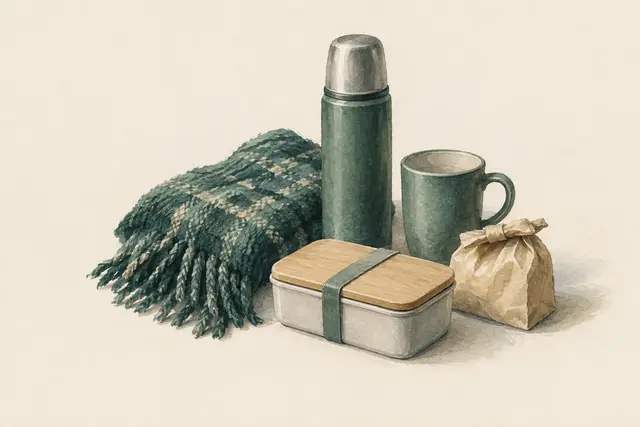
When neighbours refuse help: offer respectfully, keep the door open
Some people refuse help – out of pride, shame, mistrust or because they want to stay independent. That is their right. Concrete, small offers, a calm tone and regular checking in work better than pressure. In acute danger to life – for example if someone refuses an ordered evacuation or seems helpless – inform the authorities or the local emergency number.
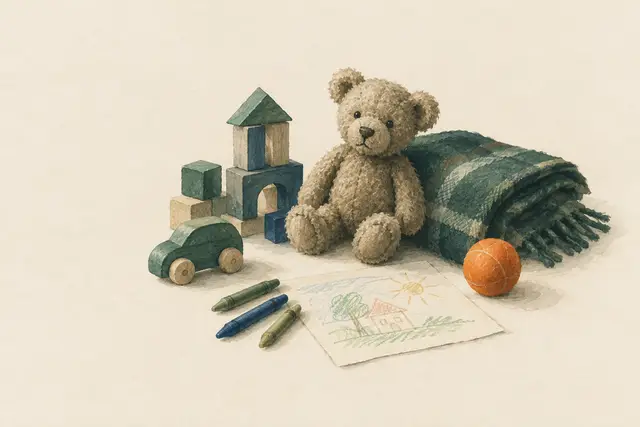
Play in a crisis: giving children space and normality
Play is children's most important way to process experiences and feel normality – even in an emergency shelter, power cut or evacuation. A safe play area, fixed play times, simple materials and a calm adult nearby are enough. When children play out the disaster, that is usually normal; persistent, very distressed or rigid play is a cause for concern.
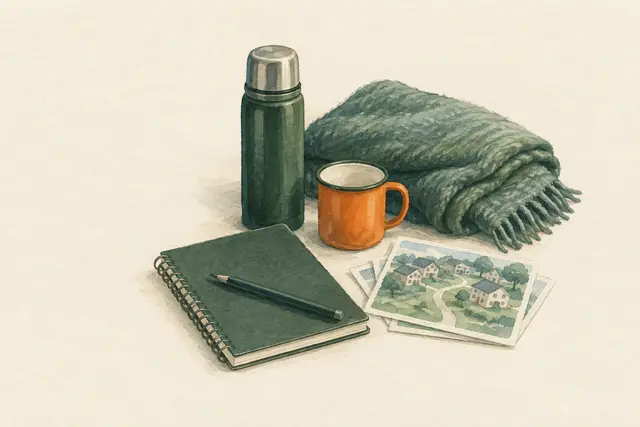
Building community: the neighbourhood as a protective factor
Neighbourhoods whose members know each other inform and support each other faster in crises than any authority. Small steps before a crisis – a contact list, a meeting point, who needs help, who can do what – and joint activities afterwards strengthen the sense of being able to make a difference together. Everyone should be included, including older people, newcomers and people with disabilities.
Planned topics (6)
- Exhaustion
- Sleep deprivation
- Concentration
- Motivation
- Group dynamics
- Isolation