Skip to content
In an emergencyAustriaEmergency numbers →
SurviveBetter
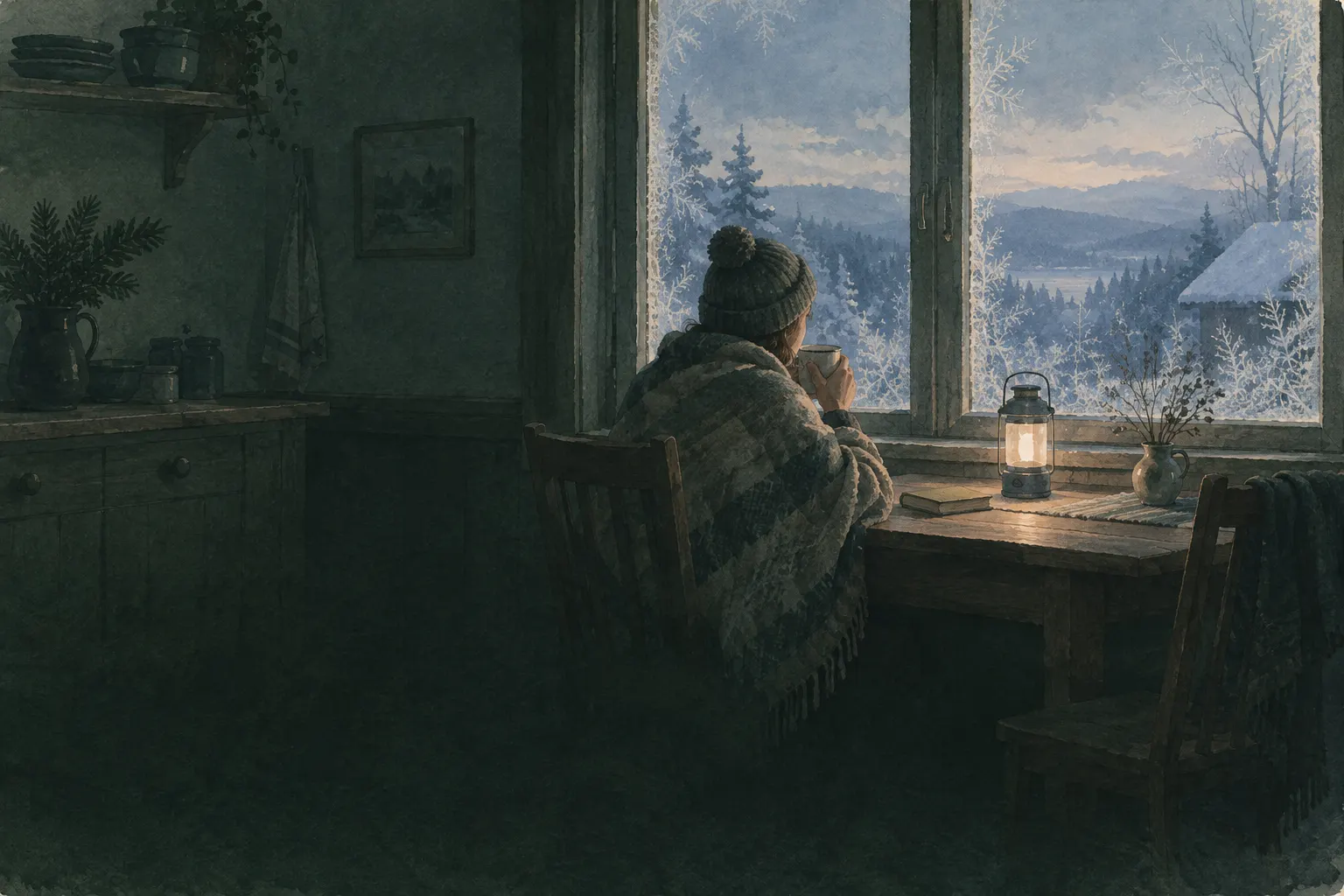
Cold home in winter, person in a blanket with tea, frost on the window

The heating has failed and it is winter

It is winter outside, the heating is off, and the home gets colder hour by hour.

First

  1. Use the radio, warning app or your utility to find out how long the outage lasts and whether there are warming centres.
  2. Choose one small room as the warm living space, close doors, reduce draughts, wear layers.
  3. Never run grills, outdoor gas stoves or generators indoors – carbon monoxide kills.
  4. Ask older, sick and isolated neighbours whether they need help; in danger, call the local emergency number (112 in the EU).

Call emergency services if

  • Suspected carbon monoxide poisoning (headache, dizziness, nausea in several people)
  • Signs of hypothermia (intense shivering, confusion, drowsiness)
  • Fire
  • Life-sustaining electrical devices fail

What is happening

If the heating fails in winter – because of a power cut, a fault or lack of fuel – you hardly notice it at first. Buildings store heat, and depending on insulation the temperature drops only slowly in the first hours. After a cold night or a day, however, even a well-built home can become uncomfortably cold, and old buildings, corner flats and poorly insulated houses cool much faster.

Worth knowing: most gas and oil heating systems need electricity for their controls, ignition and circulation pump. In a power cut they stay cold even if gas or oil is available. Heat pumps and the in-house equipment of district heating connections also depend on electricity.

The greatest danger is often not the cold itself but what people do about it: grills, outdoor gas stoves or patio heaters and generators are brought inside, the gas hob or oven is left on for heat. This produces carbon monoxide, an invisible, odourless gas that first causes headache, dizziness and nausea and then unconsciousness – often at night during sleep. On top of that there are fires from candles, fan heaters on multi-plug adapters or overheated stoves.

Older people, the sick and babies can cool down even indoors, often without anyone noticing. Hypothermia begins gradually with feeling cold and shivering and can progress to confusion and drowsiness. What realistically helps most: keep one small room warm, dress warmly, eat and have warm drinks, keep moving, check on vulnerable people – and go somewhere else in good time if the home gets too cold.

Step by step

  1. Phase 1

    In the first hour

    • Find the cause: is the power out, the heating faulty or the fuel empty? In case of a fault, note the display on the unit and call the building management, landlord or a qualified heating engineer.
    • If you smell gas: do not operate any switches, no flames, leave the building and call the emergency number or the gas supplier's fault line from outside.
    • Use the radio, warning app or your utility to find out how long the outage is expected to last and whether warming centres are opening.
    • Keep windows and outside doors closed; to air the room, open fully for a short time rather than leaving windows tilted.
    • Put on an extra layer now, before you really feel cold.
  2. Phase 2

    As it gets colder

    • Choose a small room with few outside walls as the warm room, close the doors to the other rooms and block draughts at door gaps with blankets or towels.
    • Close curtains and shutters at night; during the day let the sun in through windows on the sunny side.
    • Wear several thin layers, a hat, socks and slippers and huddle together under blankets.
    • Eat regularly and have warm drinks if you can heat water safely; moving keeps you warm, but avoid sweating.
    • Fill hot-water bottles only with hot, not boiling, water, use them with a cover and do not place them directly on the skin.
    • If there is power and only the heating is broken, tested electric heaters can help: plug them directly into a wall socket, not a multi-plug adapter, keep them away from fabrics and do not leave them running unattended.
  3. Phase 3

    If it lasts longer

    • At night sleep together in one room, with sleeping bags or several blankets and something underneath to insulate you from the cold floor.
    • Check on older, sick and isolated neighbours.
    • Decide in good time to go to relatives, friends or a warming centre – especially with babies, older or sick people.
    • If the home may freeze, ask the building management or a qualified plumber about pipes freezing and follow their instructions.
    • Use a wood-burning or tiled stove only if it is properly installed and inspected; burn only dry, untreated wood and do not overfire the stove.
  4. Phase 4

    When the heating works again

    • Restart the heating according to the manufacturer's instructions or have a qualified engineer do it.
    • Heat the rooms through again and air them regularly with short, full ventilation; watch for damp and mould on cold outside walls.
    • Look at pipes for frost damage and leaks; report damage to your landlord or insurer.
    • Restock supplies, batteries and blankets for the rest of the winter.

What to watch out for

  • Carbon monoxide

    Never use grills, outdoor gas stoves, patio heaters, generators or the gas hob and oven to heat indoor spaces – not even with a window open or in the garage. A battery-powered carbon monoxide alarm warns you before you have symptoms.

  • Recognising carbon monoxide poisoning

    Headache, dizziness, nausea and tiredness, especially when several people or pets are affected at the same time and it improves in fresh air. Get outside at once and call the emergency number.

  • Fire risk from substitute heating

    Fan heaters and radiators need to be kept away from curtains, beds and clothing. Never leave candles unattended; tealight constructions hardly heat a room and are a fire hazard.

  • Hypothermia indoors

    Older and sick people often no longer feel the cold clearly. Warning signs are intense shivering, confusion, drowsiness and slurred speech. Then call the emergency number, wrap the person in blankets and give warm drinks only to people who are alert and can swallow safely.

  • Smell of gas

    If you smell gas, do not operate anything electrical, no flames, do not ring doorbells, leave the building and only phone once outside. Have gas and heating systems repaired only by a qualified professional.

  • Freezing pipes

    If the heating is off for a long time in frost, water pipes can freeze and burst. Know where the main stop valve is so you can shut it off quickly if a pipe bursts.

Common mistakes

  • Using the gas hob or oven as a heater.
  • Bringing the grill into the home or onto an enclosed balcony "just for a moment".
  • Trying to keep all rooms warm at the same time.
  • Waiting too long before going to a warm place with small children or older people.
  • Running fan heaters on multi-plug adapters or coiled cable reels.
  • Tinkering with the heating or gas system yourself.

Prepare in advance

  • Warm blankets, sleeping bags, hats and warm slippers for everyone in the household.
  • Battery-powered carbon monoxide alarms if you heat with gas, oil, wood or coal, and smoke alarms in bedrooms.
  • Have the heating serviced regularly and chimney and stove inspected (check local rules).
  • Prevent draughts at windows and doors with sealing strips or draught excluders.
  • Know where warming centres or emergency shelters will be set up and have a plan B with relatives or friends.
  • Know where the main water stop valve and the gas shut-off are.

Special consideration

Babies and toddlers
Dress them warmly but do not overheat them. No hot-water bottle and no thick loose blankets in a baby's cot; a suitable baby sleeping bag is better. If the home gets too cold, move early to relatives or a warming centre.
Older people
Check on them or call several times a day, make sure they have warm drinks and meals and watch for confusion or unusual drowsiness.
Pets
Animals get cold too. Move their beds into the warm room and keep a close eye on small pets and reptiles that depend on warmth.

Sources

Your situation

Cause
Duration
Household

Matching entries

0 rules apply

No AI decides here. Every recommendation is based on a visible rule.

Add details about your situation above to get more specific guidance.

Basics for this situation

Why: Always applies to this situation – regardless of your answers.

All rules of this situation (6)
  1. [not active] If Cause = Power outage

    Light without open flames, keep communication going, run generators only outdoors away from windows.

  2. [not active] If Cause = Heating broken / no fuel

    Have gas and heating systems repaired only by a qualified professional. If you smell gas, leave the building and report it from outside.

  3. [not active] If Duration = Days or unclear

    In a longer outage, ration supplies, organise help in the neighbourhood and use offers such as warming centres.

  4. [not active] If Household = Older or sick people

    Older and sick people can cool down indoors without noticing. Check on them regularly and get help early at warning signs.

  5. [not active] If Household = Babies or toddlers

    Keep babies and toddlers warm but not overheated; if the home gets too cold, move early to relatives or a warming centre.

  6. [not active] If Household = Wood stove or backup heater available

    Only use appliances approved for indoor use, per the manufacturer's instructions; mind the carbon monoxide alarm and ventilation.