Skip to content
In an emergencyAustriaEmergency numbers →
SurviveBetter
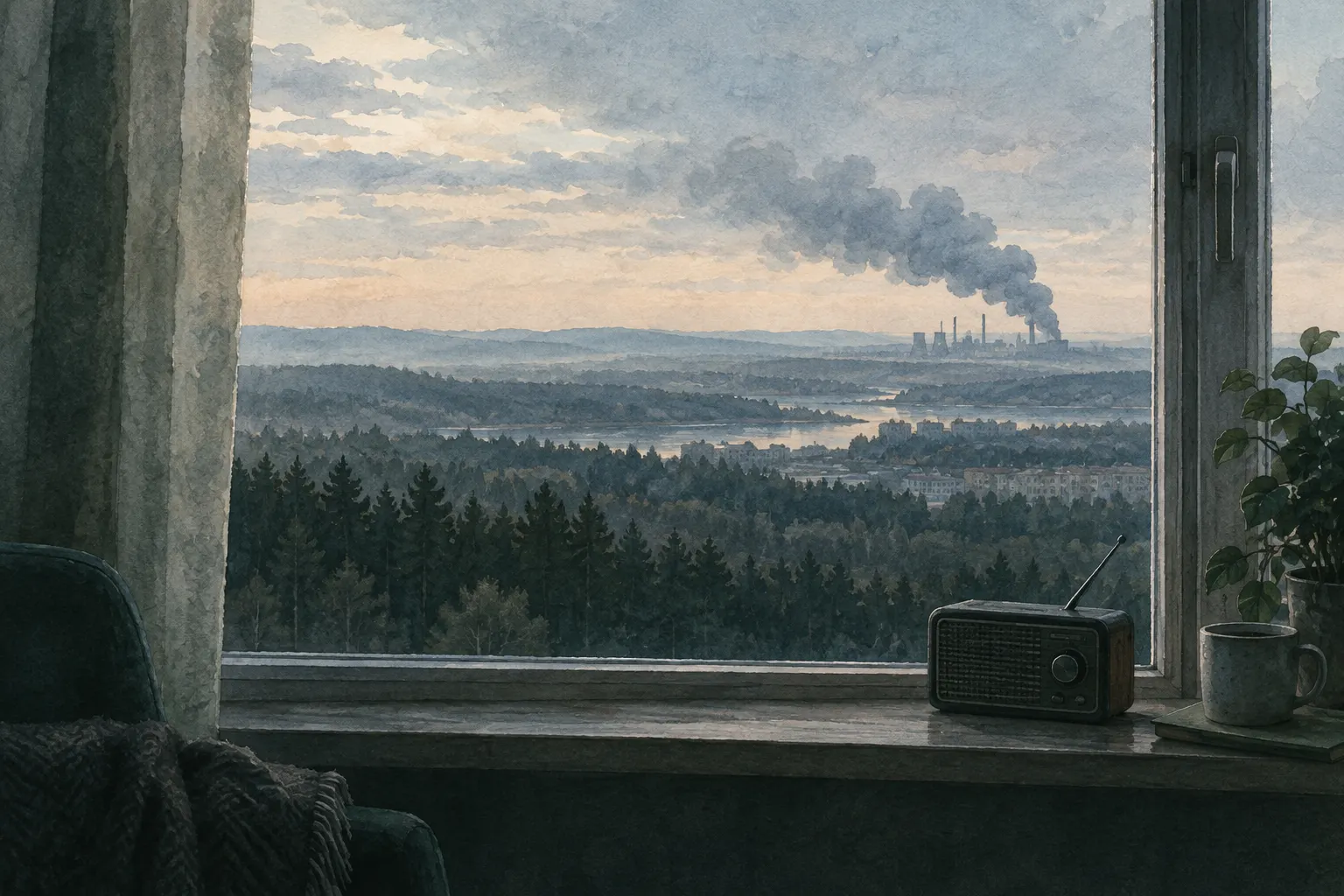
View through a closed window toward a dark smoke cloud over an industrial area

There is a hazardous substances warning (fire, chemical accident)

Sirens, a warning-app alert, a dark cloud of smoke over the industrial area – now it is: get inside, windows shut, ventilation off.

First

  1. Go into the nearest substantial building at once and stay there – take in passers-by if you can.
  2. Close windows and doors, switch off ventilation, air-conditioning and extractor hoods, move to an interior room.
  3. Follow the radio, warning app or loudspeaker announcements and the authorities' instructions.
  4. Keep phone lines free for emergencies; in case of breathing difficulty or severe symptoms call the local emergency number (112 in the EU).

Call emergency services if

  • Breathing difficulty, chest pain or impaired consciousness
  • Someone was directly exposed to the cloud or substance and has symptoms
  • Fire or explosion nearby
  • People cannot get themselves to safety

What is happening

Hazardous substance warnings usually come suddenly: a major fire in a warehouse, an accident at a chemical plant, a crashed truck or train carrying dangerous goods. You often see a dark cloud of smoke or smell something acrid – but some substances can neither be seen nor smelled. The authorities then usually tell people to go indoors, close windows and doors and switch off ventilation.

A hazardous cloud drifts with the wind. If you are outdoors, move crosswind away from the cloud and get into a substantial building as quickly as possible. Inside, an interior room with as few windows and outside doors as possible offers the best protection. Basements are not a good choice here: some gases are heavier than air and collect low down.

Typical misjudgements: people drive to the incident to look, fetch their children from school or childcare and end up in the cloud themselves, or they open the windows after a short time because the smell fades. Sheltering in place often lasts a few hours, but can last longer.

What realistically matters most: get inside at once, seal up, switch ventilation off, stay informed, and only ventilate and go outside again after the official all-clear. Anyone with breathing difficulty or severe symptoms calls the local emergency number (112 in the EU).

Step by step

  1. Phase 1

    Immediately

    • Go into the nearest substantial building; take in people from the street if you can.
    • If you are outdoors: move crosswind away from the smoke or cloud, not towards the incident.
    • Close windows and doors, switch off ventilation, air-conditioning and extractor hoods.
    • Bring pets inside if you can do so at once.
  2. Phase 2

    In the first minutes indoors

    • Go to an interior room, preferably above the basement and with few windows and outside doors.
    • If possible, seal gaps around windows and doors with damp towels or tape.
    • Follow the radio, warning app or loudspeaker announcements.
    • If you were exposed to the cloud: take off outer clothing and put it in a sealed bag, wash skin and hair with soap and water, rinse your eyes with clean water.
  3. Phase 3

    While waiting

    • Keep phone lines free for emergency calls; only briefly inform relatives.
    • Do not pick up children from school or childcare – they are protected there.
    • Watch for symptoms: eye, throat or skin irritation, coughing, breathing difficulty. In case of breathing difficulty, chest pain or impaired consciousness, call the emergency number at once and mention the hazardous situation.
    • Do not spread rumours; only official information counts.
  4. Phase 4

    After the all-clear

    • Only open windows and ventilate thoroughly after the official all-clear.
    • Follow official advice on drinking water, fruit and vegetables from the garden, playgrounds and soot deposits.
    • Do not touch soot or residues with bare hands; follow official recommendations for cleaning.
    • If symptoms appear later, seek medical help and mention the incident.

What to watch out for

  • Not everything smells

    Some dangerous substances have no smell, and the nose gets used to odours. Not smelling anything any more does not mean the danger is over.

  • Basements are not a good choice here

    Unlike radiation or storms: some gases are heavier than air and collect in basements and hollows. An interior room on the ground floor or above is usually better.

  • Ventilation systems

    Central ventilation, air-conditioning and extractor hoods draw in outside air. Switch them off – and in larger buildings tell the building services or management.

  • Wind and direction

    The cloud travels with the wind and can change direction. Do not flee downwind and do not go towards the incident; respect barriers.

  • Ventilating too early

    Opening windows after a short time lets contaminated air into the house. Wait for the official all-clear.

Common mistakes

  • Driving to the fire or accident to look or take photos.
  • Picking children up from school or childcare and driving through the cloud yourself.
  • Leaving the ventilation or air-conditioning running.
  • Going into the basement although some gases collect there.
  • Ventilating again after a short time because you can no longer smell anything.

Prepare in advance

  • Install a warning app and know what the siren signals in your country mean.
  • Choose an interior room where everyone in the household can stay.
  • Keep tape, a battery-powered radio, a torch, water and some food within reach.
  • Know how to switch off ventilation, air-conditioning and the extractor hood quickly.
  • Ask your children's school or childcare how they protect children during a hazardous substance warning.

Special consideration

People with respiratory conditions
People with asthma or another lung condition often react earlier and more strongly. Keep emergency medication within reach and do not hesitate to call the emergency number if symptoms increase.
Children at school or childcare
Schools and childcare centres have their own plans and keep children protected inside. Parents who drive there now endanger themselves and block routes for emergency services.

Sources

Your situation

Where you are
Symptoms
Family

Matching entries

0 rules apply

No AI decides here. Every recommendation is based on a visible rule.

Add details about your situation above to get more specific guidance.

Basics for this situation

Why: Always applies to this situation – regardless of your answers.

All rules of this situation (6)
  1. [not active] If Where you are = Outdoors

    Move crosswind away from the smoke cloud and into the nearest building. Do not go towards the incident to look.

  2. [not active] If Where you are = In the car

    Close the windows, switch ventilation off and leave the area as instructed; if a building is within reach, take shelter there.

  3. [not active] If Symptoms = Breathing difficulty or impaired consciousness

    Call the emergency number at once, mention the hazardous situation and follow the dispatcher's instructions. Do not enter the danger zone yourself.

  4. [not active] If Symptoms = Eye or throat irritation, odour

    Stay indoors and follow official advice. If symptoms increase, get medical help or call the emergency number.

  5. [not active] If Family = Children at school or childcare

    Do not pick children up: schools and childcare keep them protected inside. Trust only official information.

  6. [not active] If Symptoms = None

    Stay inside until the official all-clear. Afterwards follow advice on drinking water and garden produce.