Basics for this situation
Floods: before, during, after
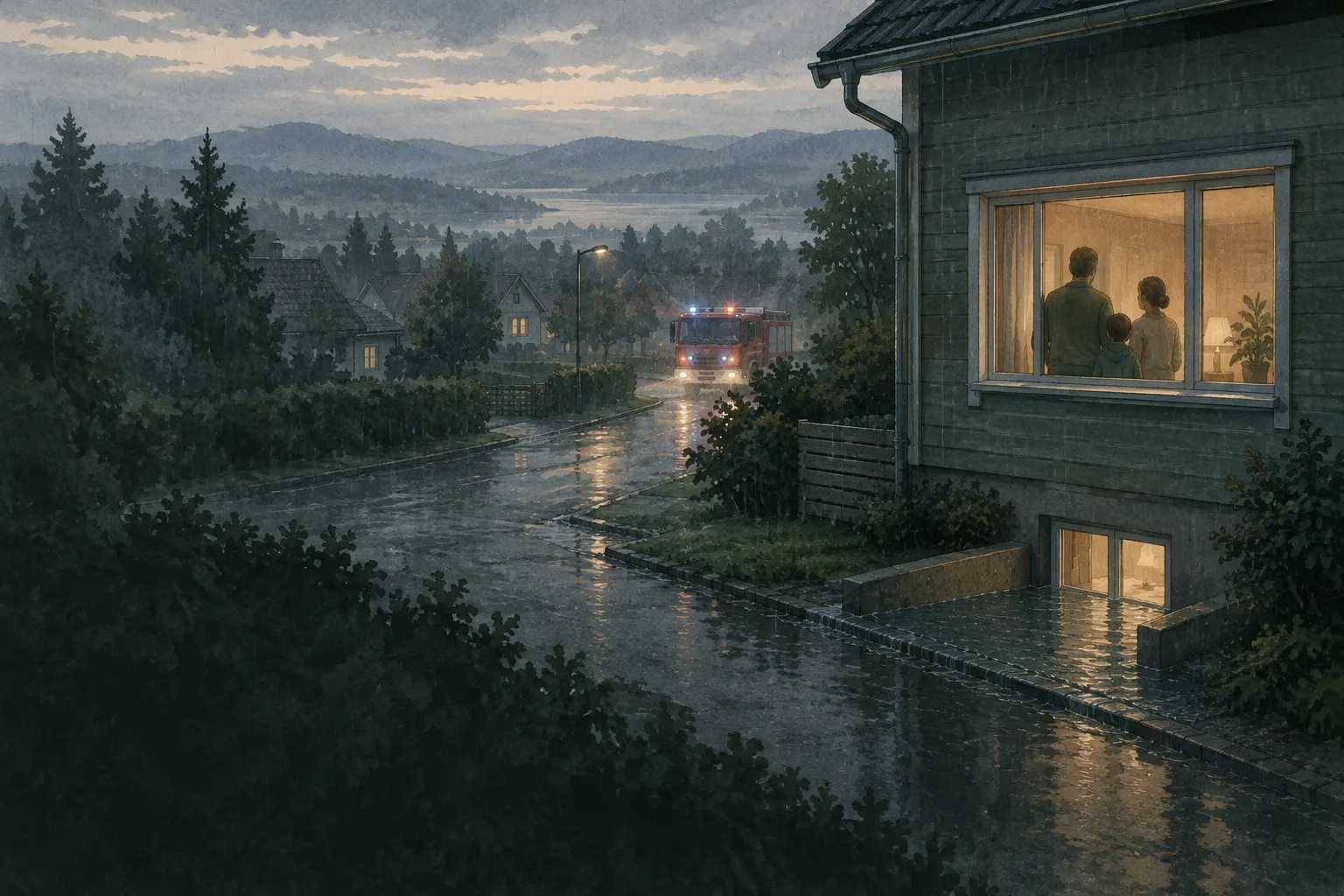
Floods and flash floods are among the deadliest natural hazards – often because people walk or drive through water. The most important rule: never walk or drive through flood water. Take warnings seriously, move to higher ground, follow the authorities' instructions and only return when they allow it.
Knowing your water, electricity and gas shut-offs
After a burst pipe, water near electrics or a storm, every minute counts. If you know in advance where the main water valve and the breaker panel are and how to operate them, you prevent further damage. Gas follows a different rule: if you smell gas, do not operate anything, leave the building and call the gas emergency service or the emergency number from outside.
Understanding electricity: voltage, current and why water conducts
What is dangerous is the current that flows through the body. How much flows depends on the voltage and the resistance – and wet skin, water and earth greatly lower the resistance. That is why mains voltage in the home, flooded basements and fallen power lines are deadly, while a torch battery is harmless.
Household repairs: what you can do yourself – and what you cannot
Doing small repairs yourself saves time and keeps a household working during a crisis: a blocked drain, a loose screw, a draughty window, a torn strap. Work on gas, electrical wiring, heating systems, flues and load-bearing parts of a building, on the other hand, belongs in professional hands – even in an emergency. The most important part of self-help is knowing this boundary.