Surviving in the wild – checklist
Order of priorities. Details on every point in the atlas.
Emergency: 112 (EU) · Austria ambulance 144
Rule of threes (rough rule of thumb): 3 minutes without air · 3 hours without shelter in harsh weather · 3 days without water · 3 weeks without food
STOP: Stop – Think – Observe – Plan
1. Stay calm & size up the situation
- STOP: stop, think, observe, plan
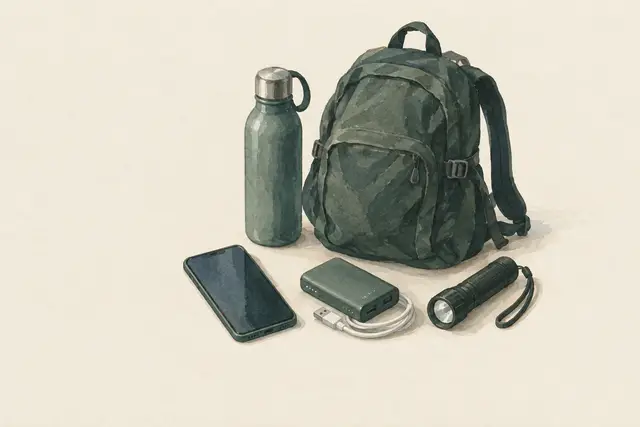
- Check injuries and gear
- Judge weather and daylight
2. Call for help & be found
- Emergency call 112 (Austria ambulance 144)
- Stay in one safe place
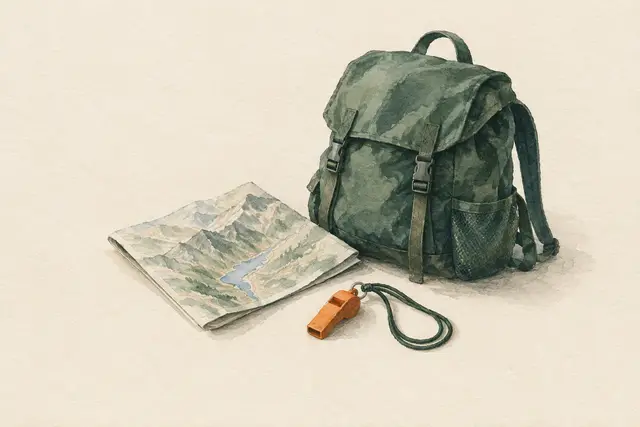
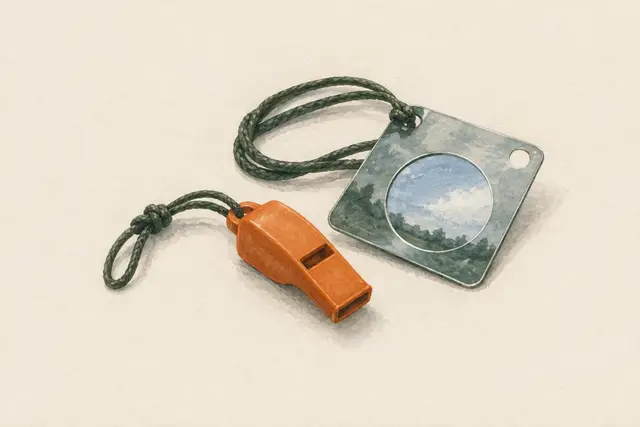
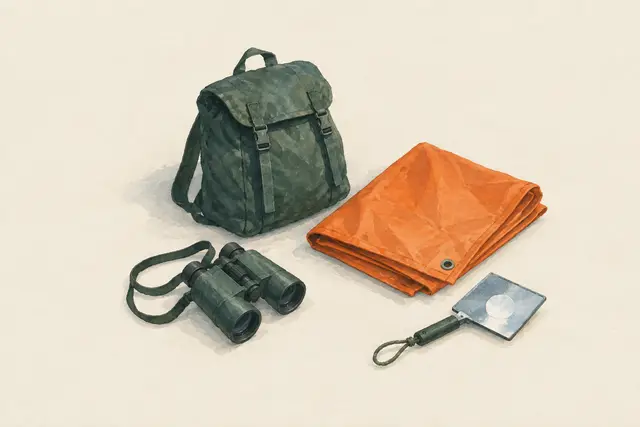
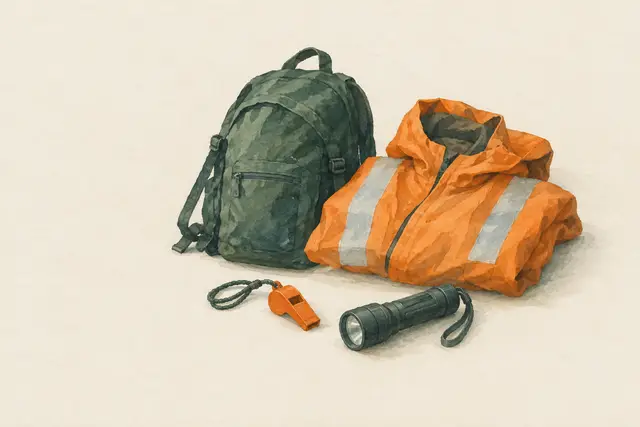
- Whistle, mirror, bright colours, ground signs
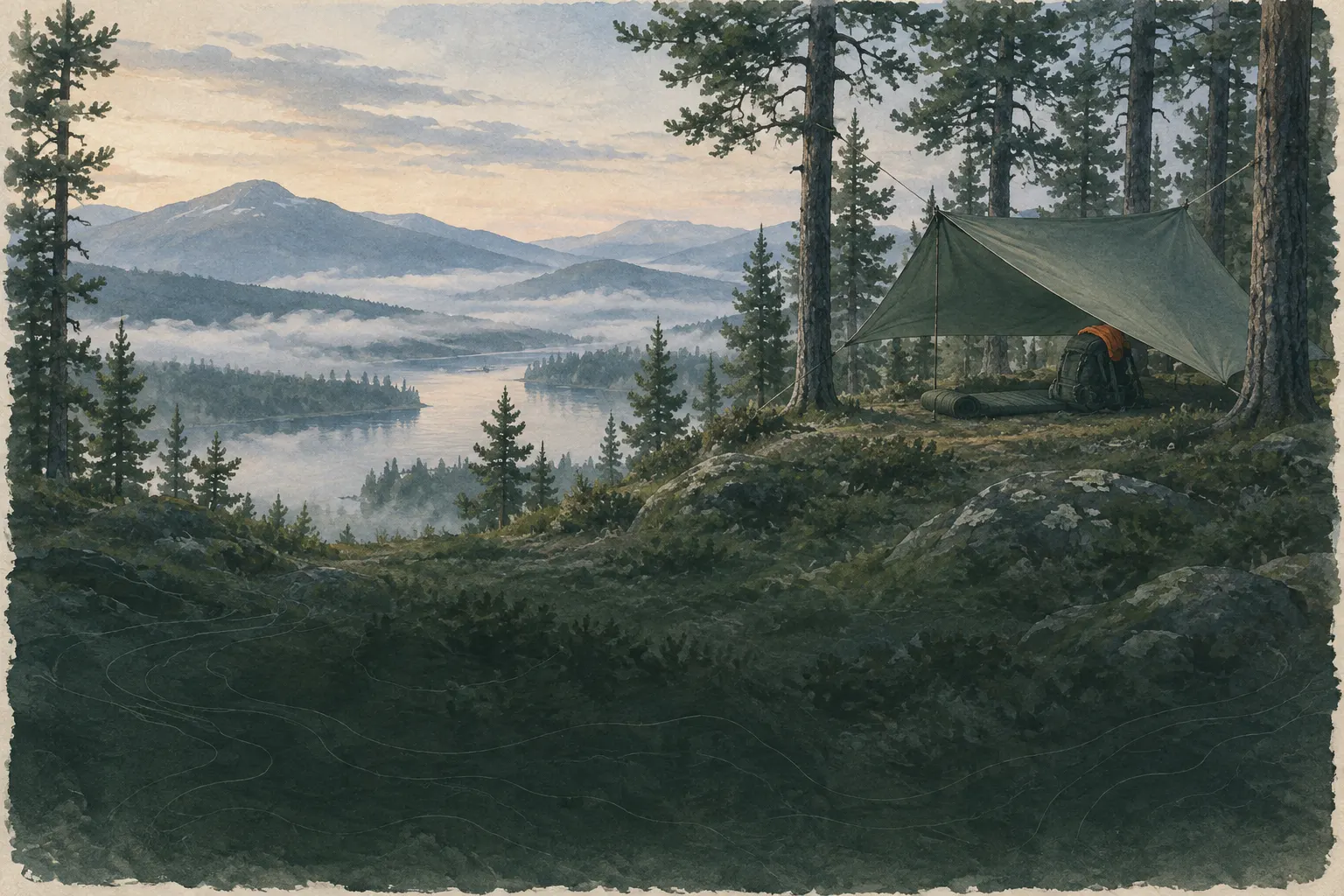
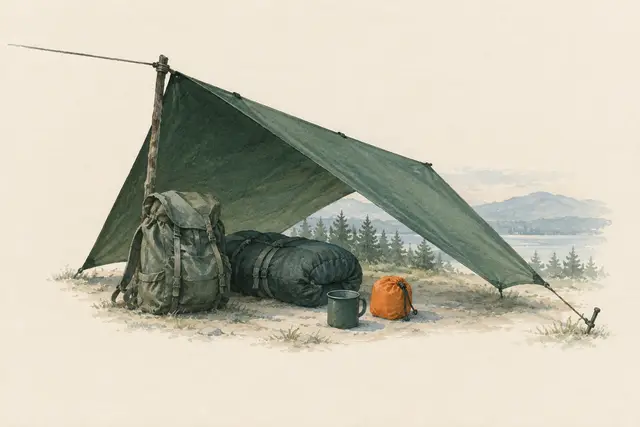
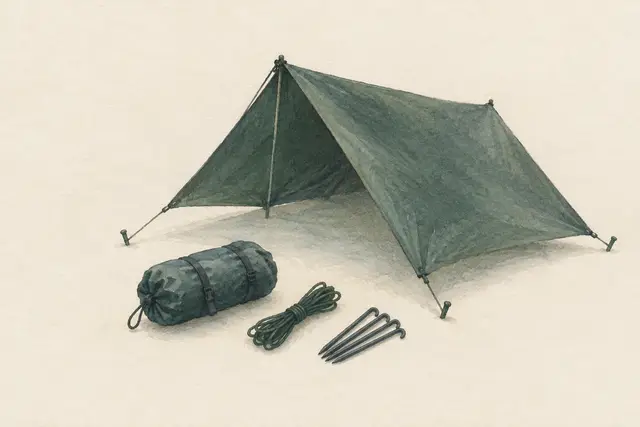
3. Protection: emergency shelter
- Dry, sheltered, safe spot
- Insulation from the ground
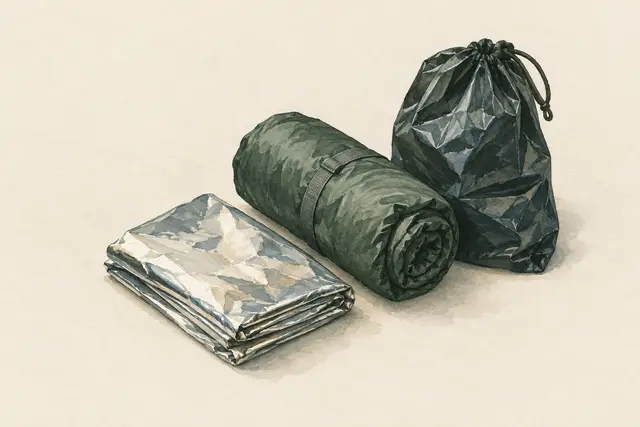
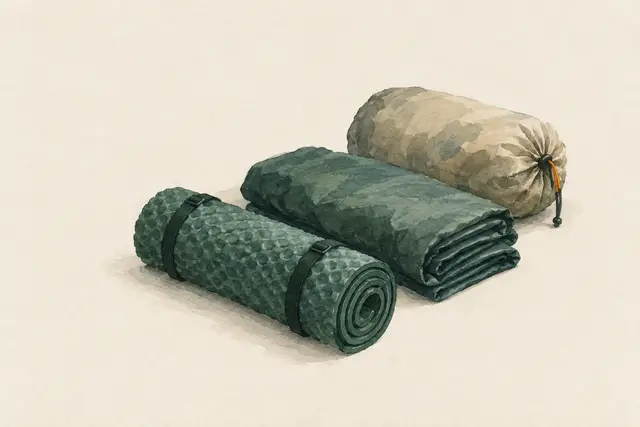
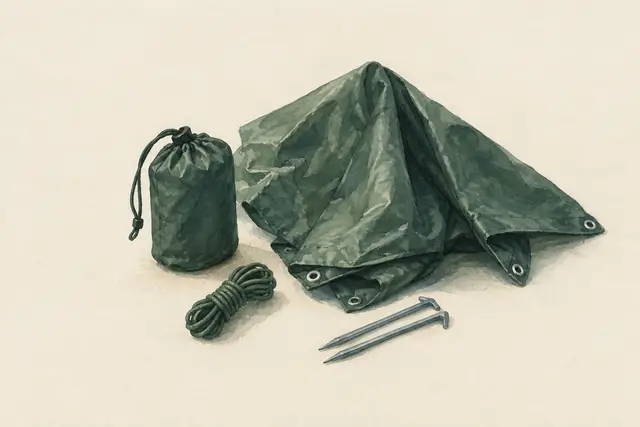
- Use tarp, bivy bag or emergency blanket
4. Find & treat water
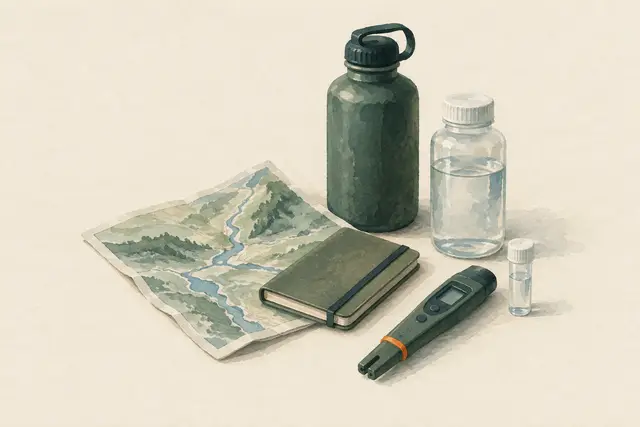
- Choose a source: flowing, clear, upstream of pollution
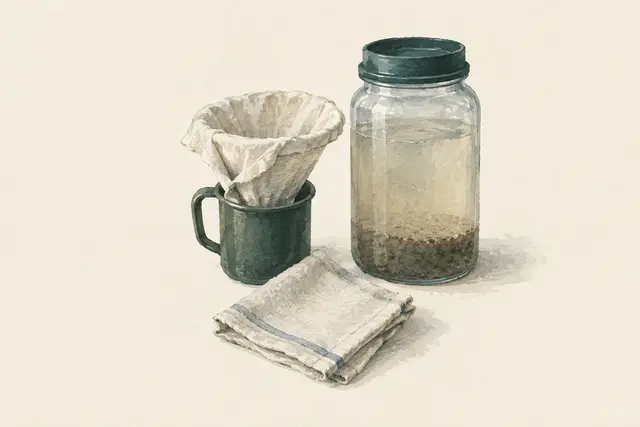
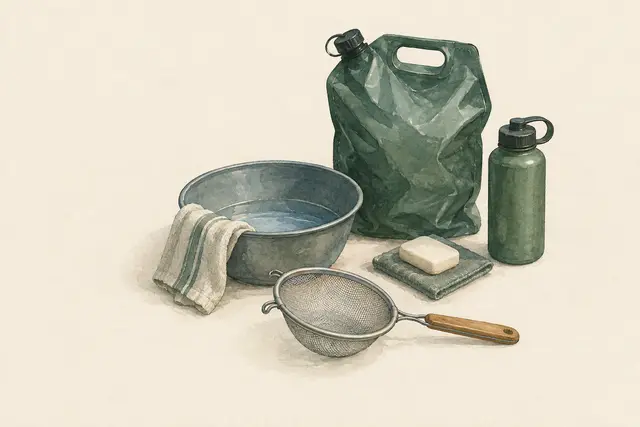
- Pre-filter cloudy water
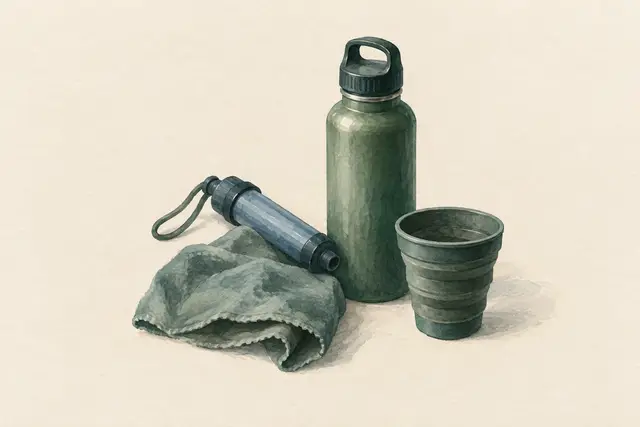
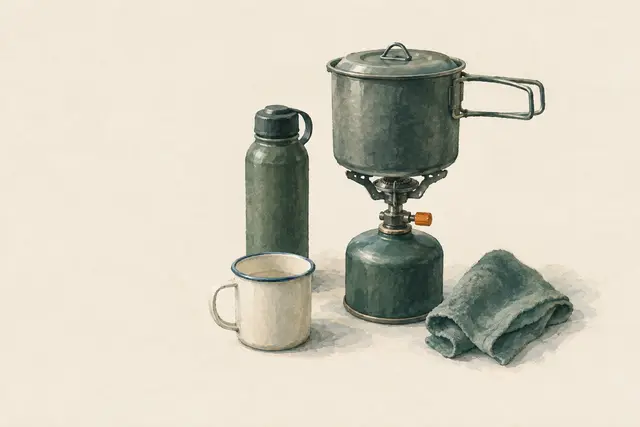
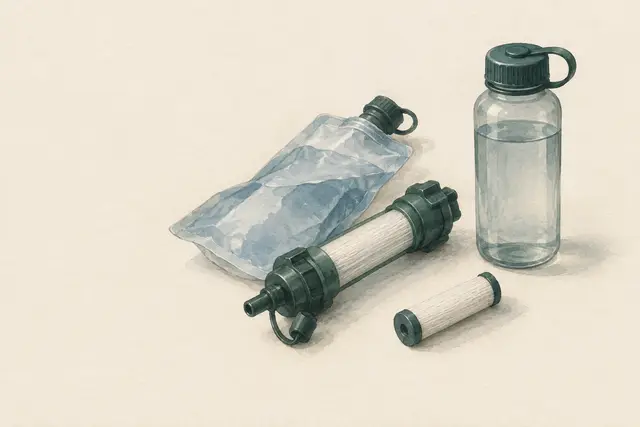
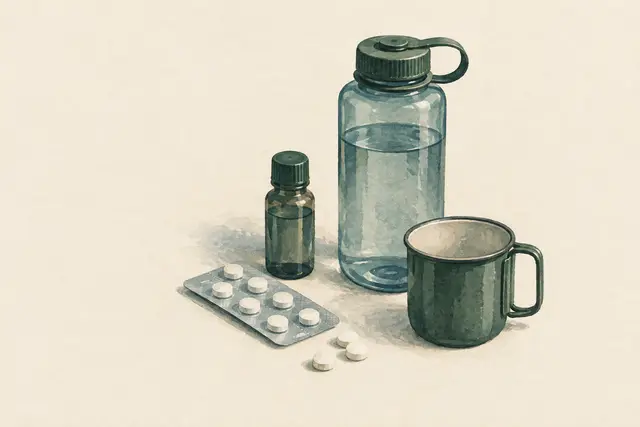
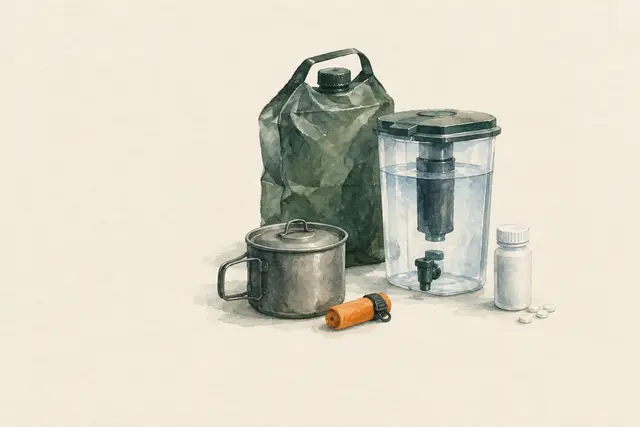
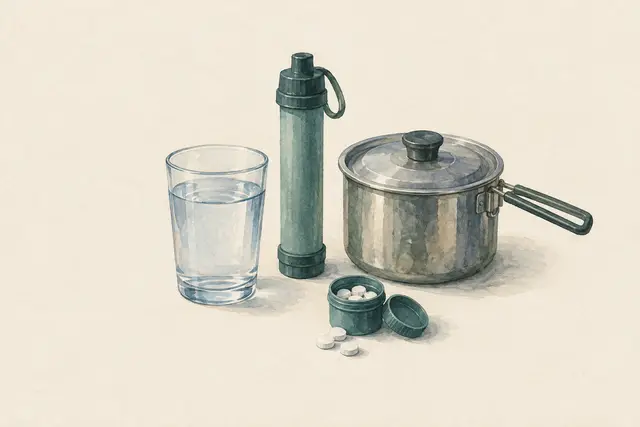
- Boil, filter or disinfect
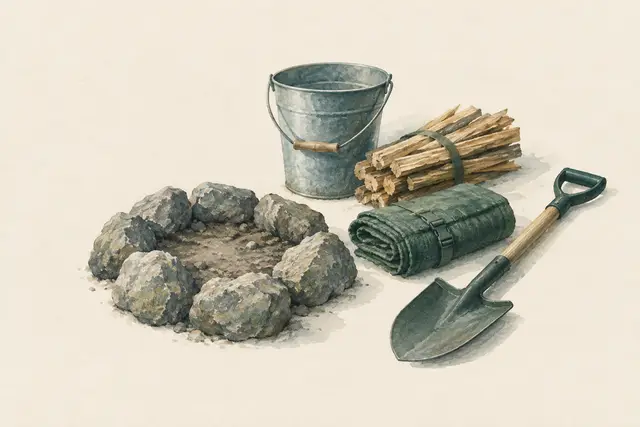
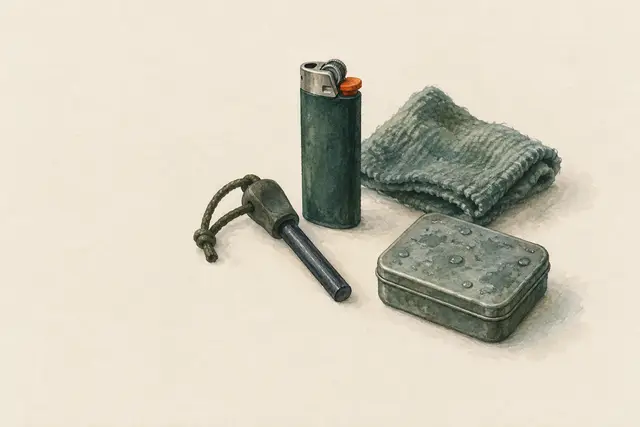
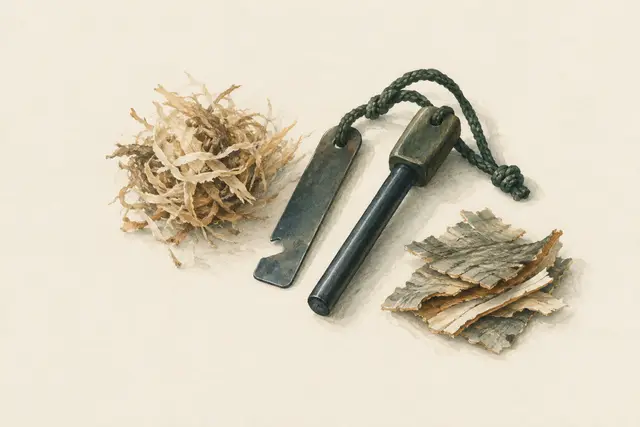
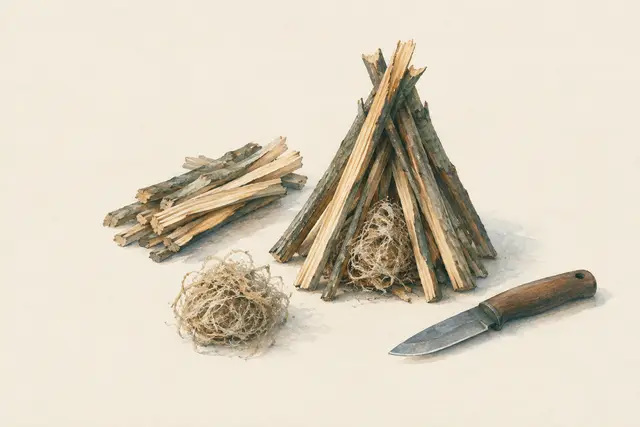
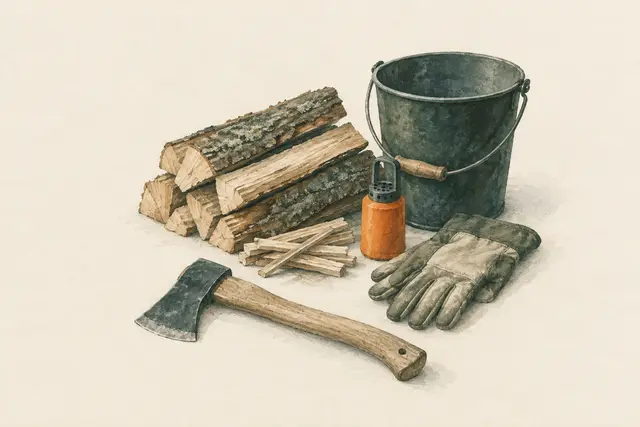
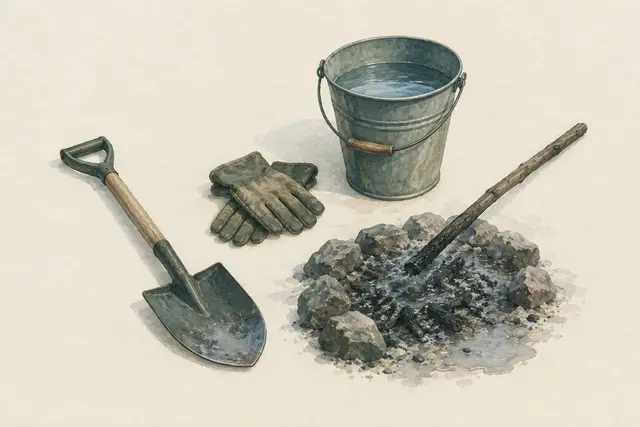
5. Make fire
- Pick a safe spot, respect fire bans
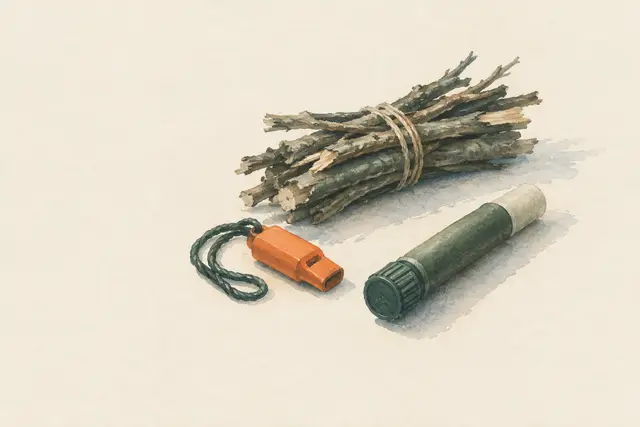
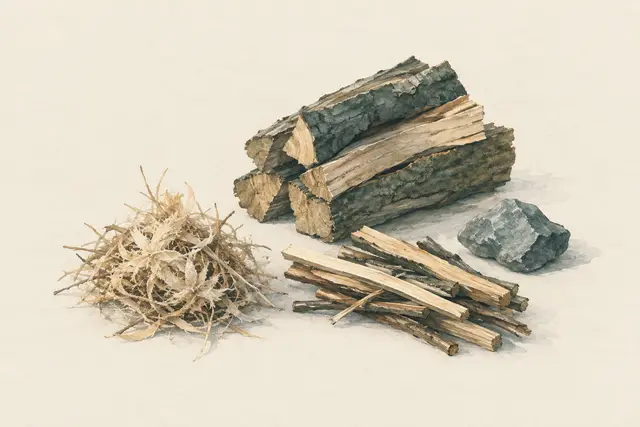
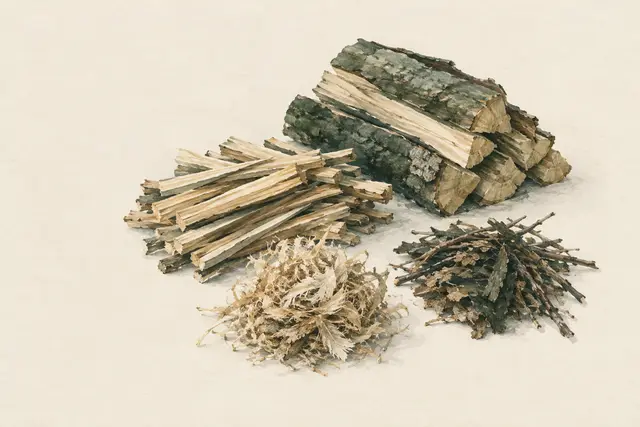
- Prepare tinder, kindling, fuel wood
- Put it out completely at the end
6. Food: foraging, fishing, traps only in an emergency
- Ration provisions, water comes first
- Only plants you know for sure, no mushrooms
- Fishing and traps only in a real emergency – follow the law
7. Navigation & the way out
- Stay or go? Who knows about me?
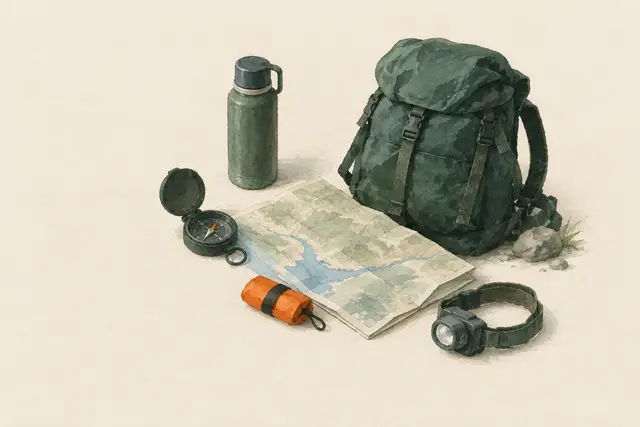
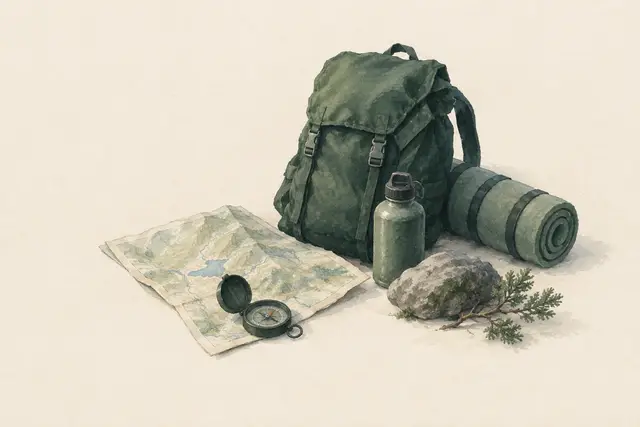
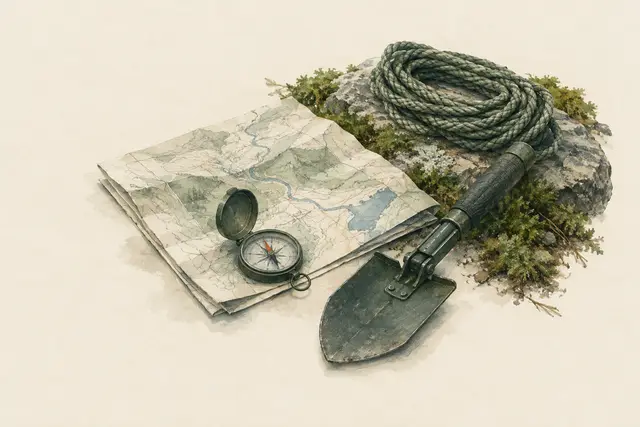
- Orient the map, keep direction by compass
- Use handrails, mark your route
8. Staying longer: hut, camp, tools
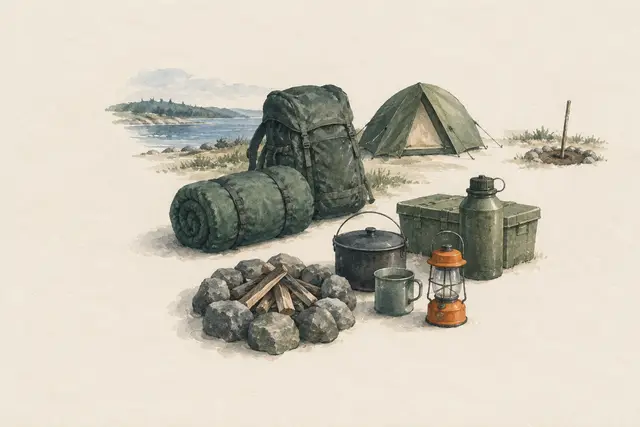
- Organise camp: sleep, fire, water, toilet
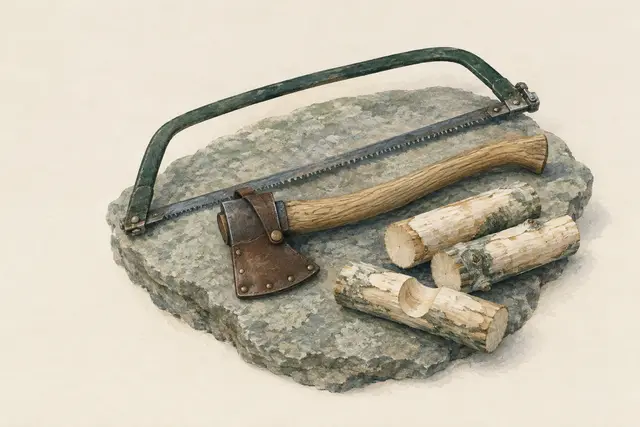
- Use and care for tools safely
- Build only what's needed – respect ownership and nature
9. Stay healthy: hygiene & first aid
- Wash hands, toilet far from water
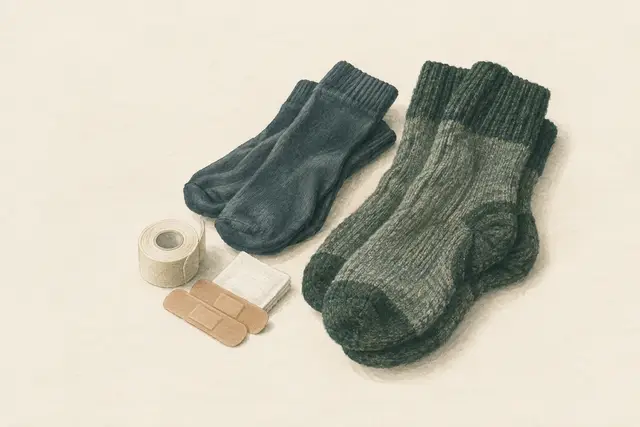
- Keep feet dry, treat blisters early
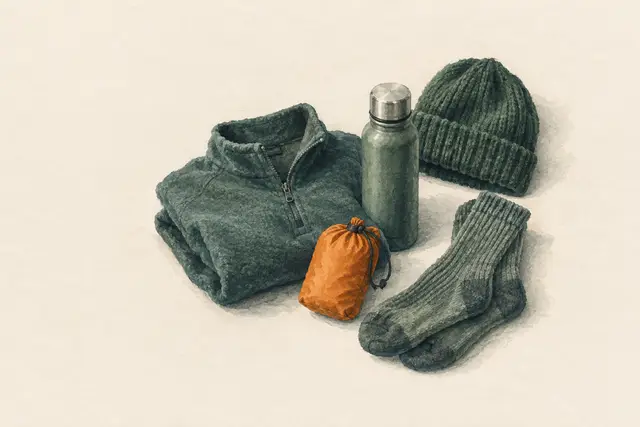
- Hypothermia, heat, bleeding: first aid + 112
My plan
- Who knows where I am?
- Return time / meeting point
- Important numbers
- What I carry
Orientation only, no substitute for training. Fishing and trapping are regulated by law.


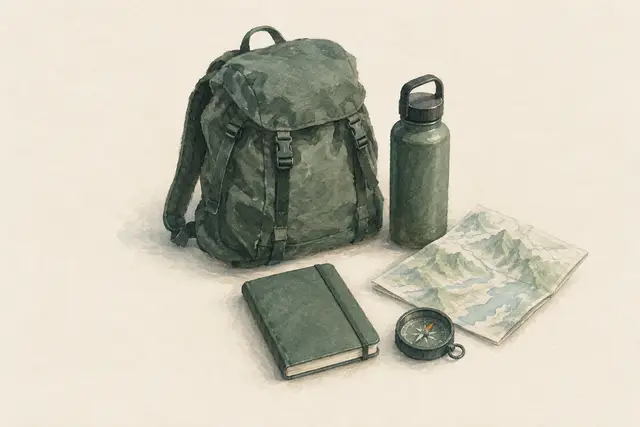 STOP: from shock to the next step in seconds
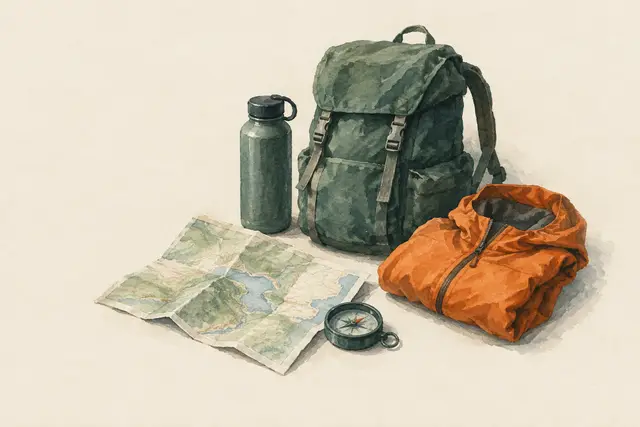 Lost: the STOP rule
 Stress in emergencies: what happens in body and mind
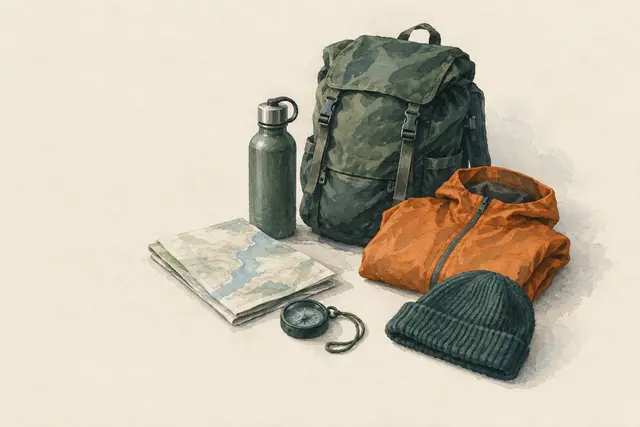 Good decisions under pressure: priorities and thinking traps
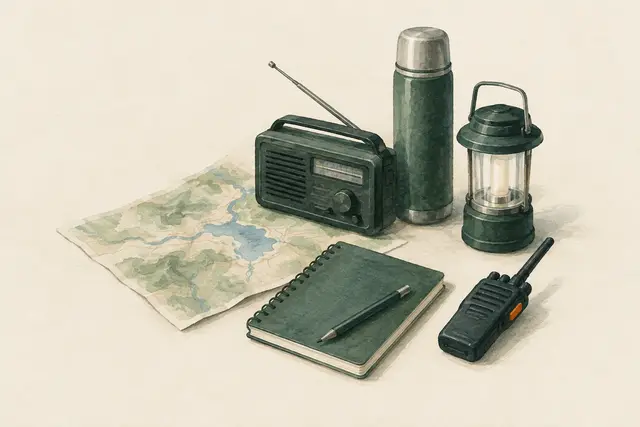 Keeping a group calm and able to act in a crisis
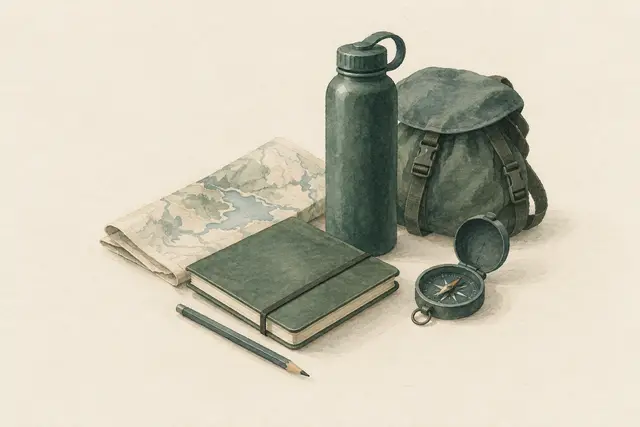 Keeping hope: small goals and milestones
 Helping children with their fears in a crisis