





















SurviveBetter
Ready when it counts.
The knowledge, techniques and tools to navigate the unexpected – clearly explained, illustrated, available offline.
What is happening?
Tap a situation. You see straight away what to do first.
Our power has gone out
- 1Check whether only your home is affected (fuses, breakers) or the neighbourhood.
- 2Keep the fridge and freezer closed.
- 3Switch on a battery or crank radio and follow official announcements.
When it happens
What to do when it is real?
Power cut, flooding, lost in fog: every situation is described in depth – what is happening, what matters in the first minutes, what to watch out for and which mistakes to avoid.
 Our power has gone outSuddenly everything goes dark and quiet: lights, fridge, router and often the heating are off – usually only briefly, sometimes longer.
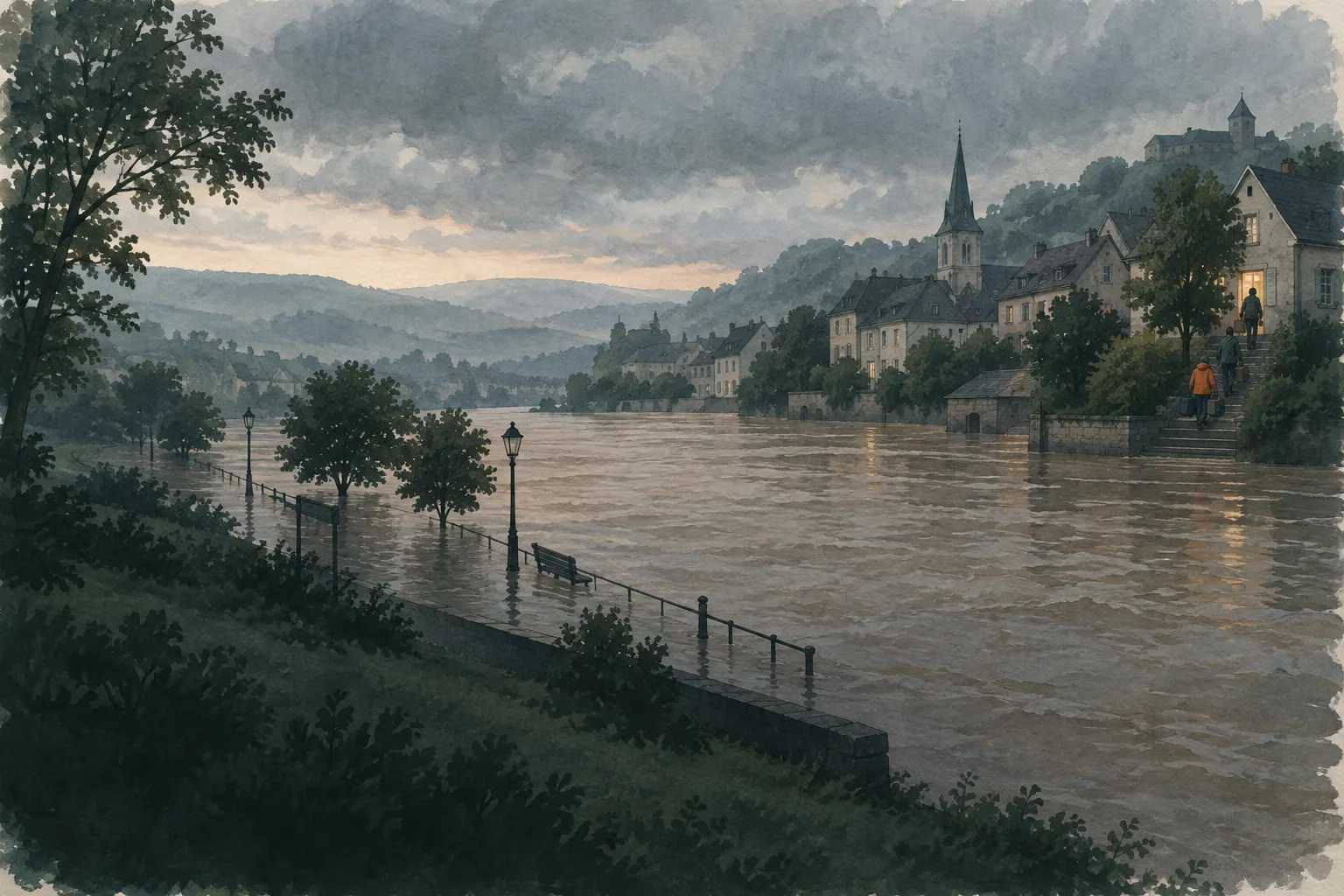 There is a flood warning for our areaRiver levels are rising and the warning app reports a flood – what counts now is the time before the water arrives.
 I am lost while hiking
 There is a heatwave and it is getting very hot at home
 There is a wildfire or wildfire smoke near us
 I am stuck in my car in winter
Try it and practise
Learn hands-on before it gets serious
- Wilderness pathNine steps from the first shock to staying longer, for forest, mountains, coast, desert or tropics.
- Fire finderTell it what you carry and what the weather is like. It shows which fire method fits.
- Shelter finderWhere are you, what is the weather, what do you carry? The finder shows which shelter fits now.
- Packing listFor a day hike, overnight trip, winter tour or grab bag: tick off, print, forget nothing.
- Survival quiz72 questions in six rounds, from poisonous lookalikes to fire. With an explanation for every answer and a certificate.
- Outdoors through the yearWhat you can find in spring, summer, autumn and winter, and which dangers matter right now.
- Cheat sheetsThe essentials of every knowledge world to print, as an A4 page or pocket card.
The app
Your emergency companion. Works without internet.
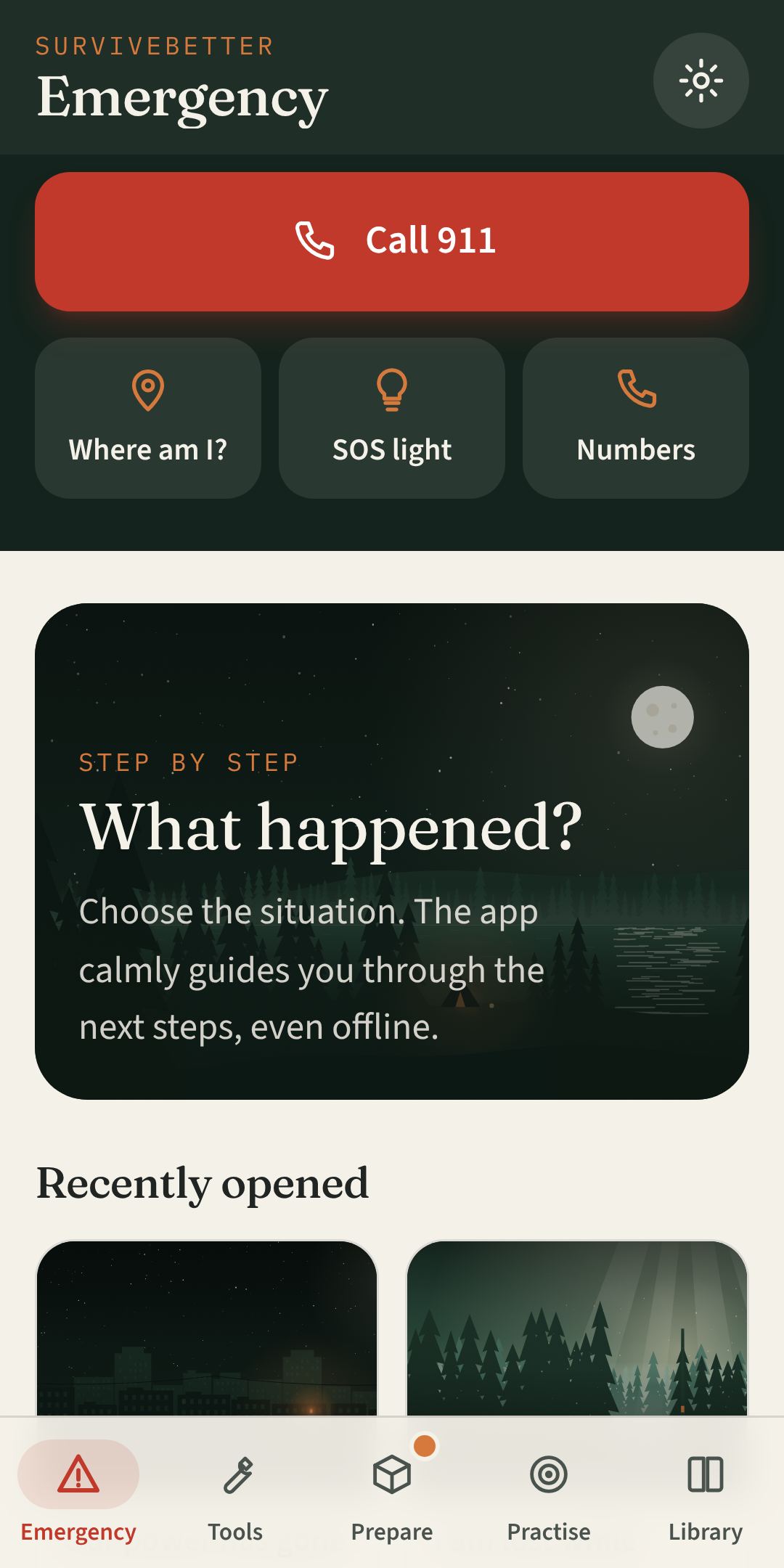
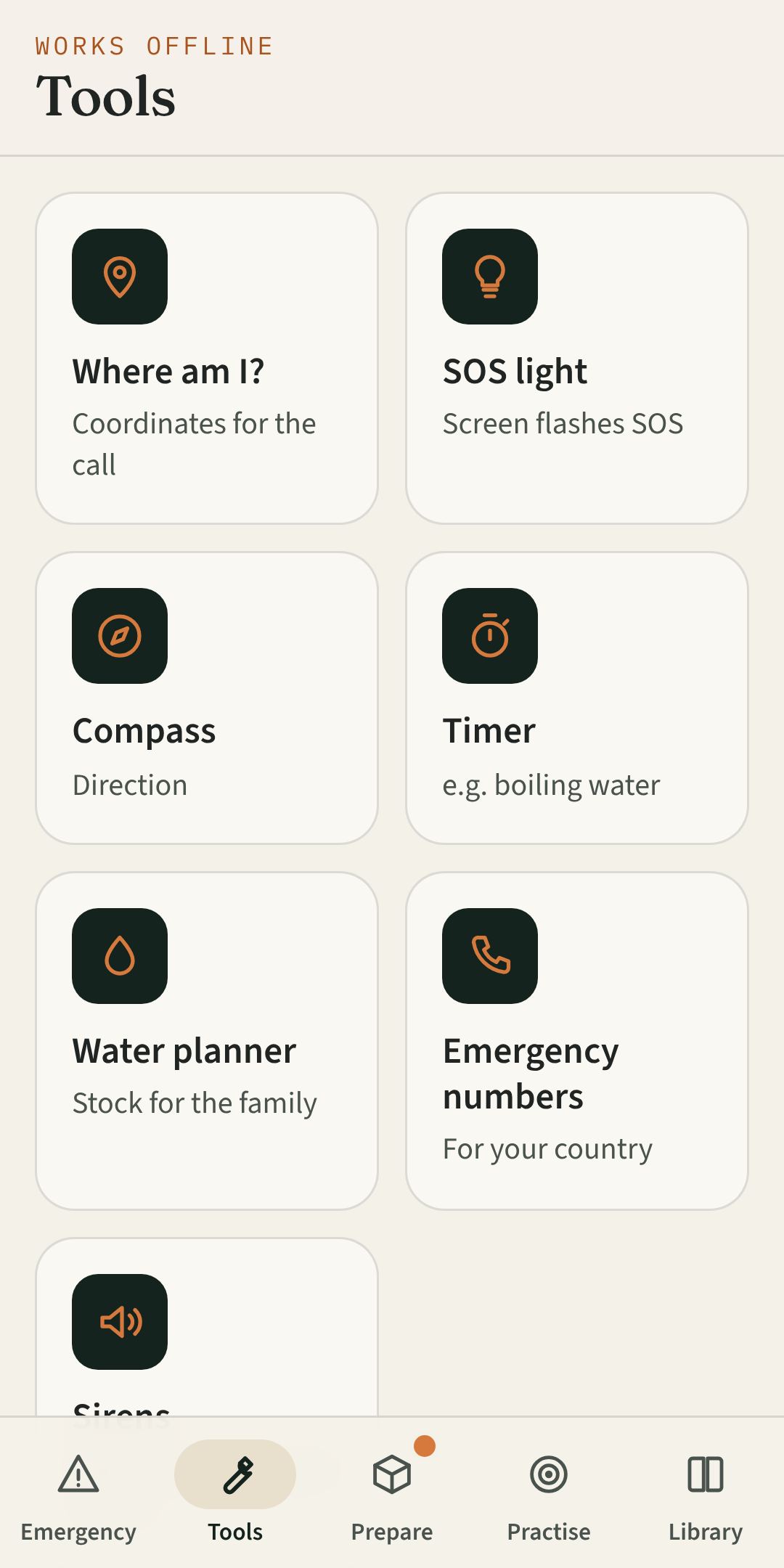
The SurviveBetter app for Android puts every guide on this website on your phone, plus tools for when it counts. Everything works offline: in the woods, in the basement, in a power cut.
- Buy once, no subscription
- No ads
- No account, no data collection
- In eight languages
Coming soon for Android on Google Play
The app is built and will reach the store in the coming weeks. Until then you can save the website for offline use.
Save the website offline
New: outdoor cooking
31 recipes for stove and campfire
From morning porridge to lentil soup, cheese spaetzle and a chocolate banana from the embers. With amounts per person, animation and an explanation for children.
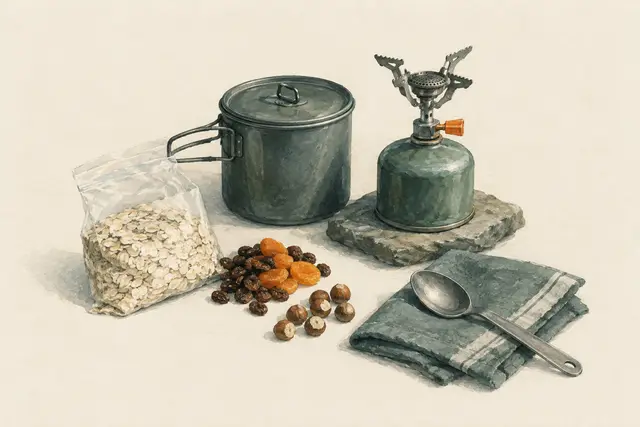
Backpack porridge: oats with dried fruit and nuts
A warm breakfast in ten minutes from one pot: rolled oats, milk powder, a pinch of salt, dried fruit and nuts, mixed at home into one bag per person. Outdoors you bring water to the boil, stir in the mix and let it simmer briefly while stirring. It also works without fuel: soak the oats overnight in safe water.
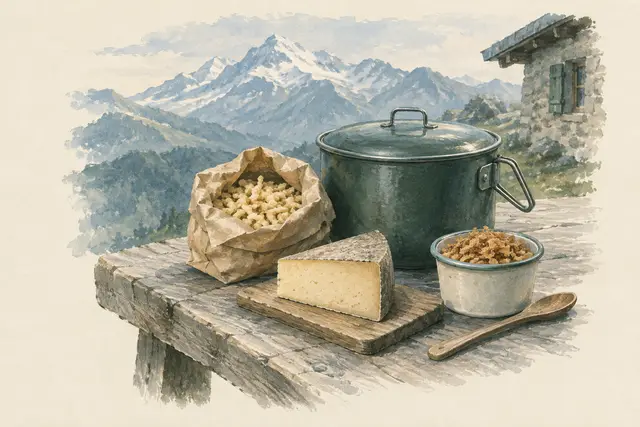
Cheese spätzle from the pot
The classic from the Allgäu, Vorarlberg and Tyrol for the stove: dried spätzle are boiled in salted water, drained and layered with tangy mountain cheese on the lowest flame until the cheese melts. Crispy fried onions from a tub go on top. The biggest danger is the bottom of the pot: cheese burns quickly – so a low flame, stirring and, if needed, letting the retained heat do the work.
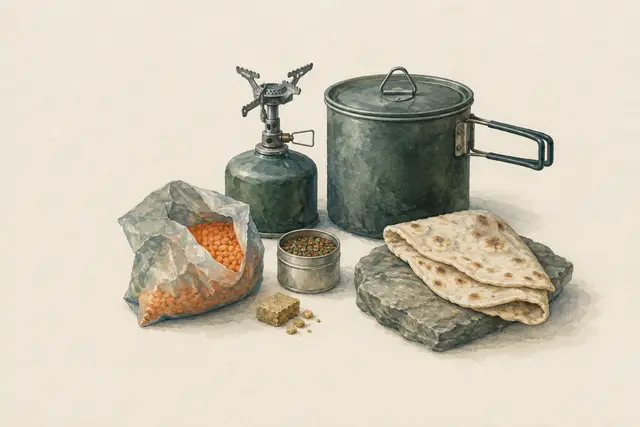
Red lentil soup (dal) from the backpack
Split red lentils are the fastest pulses: they need no soaking and fall apart after about 10 to 15 minutes into a thick, filling soup. With a stock cube, dried onion and spices, and coconut milk powder if you like, it becomes a dal that you scoop out of the pot with flatbread. What matters: a small flame, frequent stirring and cooking the lentils until completely soft.
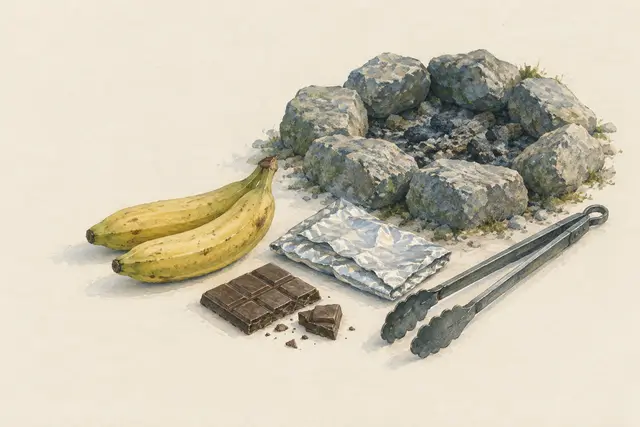
Chocolate banana and baked apple from the embers
A banana is slit lengthwise in its peel, filled with pieces of chocolate, wrapped in aluminium foil and laid at the edge of the embers. After a few minutes the chocolate has melted and the banana is soft – you eat it with a spoon straight from the peel. A filled baked apple works the same way but takes longer. Ideal with children, as long as adults handle the embers and everyone knows: chocolate and steam are hot.
How SurviveBetter helps
Understand. Compare. Act.
- 01
Understand
Knowledge worlds from water to navigation explain principles, steps, limits and common mistakes – with sources.
Explore knowledge → - 02
Compare
Method comparisons show honestly what each method achieves. No paid ranking.
Method explorer → - 03
Act
Emergency situations guide you step by step through the first minutes, hours and days.
Prepare for a situation →
The knowledge worlds
One connected system of knowledge.
From water, fire and knots to blackouts and psychology: every world links basics, techniques and comparisons.
Water
Find, treat, store
Safe drinking water is one of the first priorities. This knowledge world strictly separates clarifying, filtering and disinfecting – because no single method removes everything.
Shelter and protection
Keep out wind, wet, cold and heat
Knots and rope work
Tie, attach, secure
- FireLight, use, extinguish safely
- Food and nutritionSupplies, preparation, plant knowledge with limits
- Trapping knowledge and trackingRead tracks, understand principles, respect the law
- Orientation and navigationMap, compass, GPS and terrain
- First aid and healthOnly per current guidelines, expert-reviewed
- Natural disastersRecognise warnings, act correctly
- Blackout and urban survivalWhen power, water or networks fail
- Bushcraft and craftTools, wood, fibres, repair
- Self-relianceGarden, supplies, energy, household
- Outdoor gearChoosing, comparing, maintaining
- Climate and extreme environmentsWhat makes each environment different
- Travel and expeditionsWell prepared for remote regions
- Family and householdPreparedness for everyone at home
- Signals and communicationBe found, stay in touch
- Psychology and decisionsThinking clearly under pressure
- Mechanics and improvisationLevers, friction, safe temporary fixes
- Survival scienceWhy techniques work
Method explorer
Every problem has more than one solution.
Pick a starting situation – and see what each method achieves and where its limits are. No fake ranking.
How do I make water from an unsafe source drinkable?
| Turbidity | Bacteria | Viruses | Protozoa (Giardia, Cryptosporidium) | Chemicals | |
|---|---|---|---|---|---|
| Boiling water | |||||
| Disinfection with chlorine | |||||
| Disinfection with chlorine dioxide | |||||
| UV disinfection and solar water disinfection (SODIS) | |||||
| Hollow-fibre and membrane filters | |||||
| Ceramic filters |
The Illustrated Survival Manual
Technical drawings that explain rather than decorate.
Every diagram is generated deterministically from reviewed structured data, so cross-section, steps and labels cannot contradict each other.
Interactive Knot Lab
Follow the rope, step by step.
Working end in orange, standing part in sandstone. Over and under are unambiguous at every crossing.
Knot Lab →Figure-eight knot
Lay out the standing part
Knowledge for every environment
Same task, different conditions.
Offline knowledge
Knowledge that works without a connection.
Install SurviveBetter as an app, save articles offline and use search, checklists and emergency numbers without a connection.
Offline →Gear intelligence
Gear by criteria, not by commission.
What matters in filters, tarps or sleeping pads – explained objectively. Retailer links are added only after review and with clear labelling.
Gear →Discover something useful
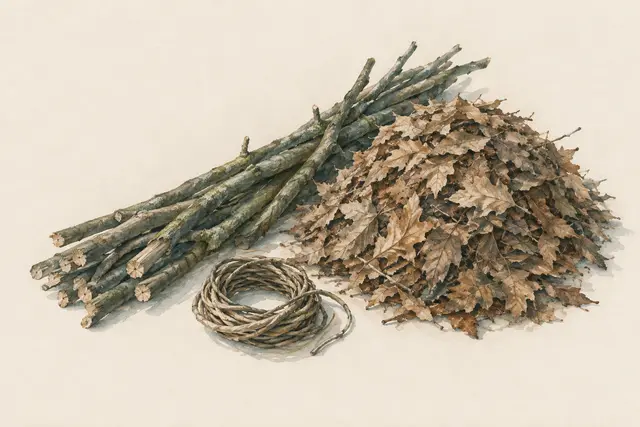
Debris hut from natural materials
A debris hut is a narrow, wedge-shaped shelter made from a ridgepole, branches leaned against it and a very thick layer of dry leaves. It insulates if it is covered thickly enough, but it costs hours of work and a lot of material – and is only permissible where collecting is allowed.
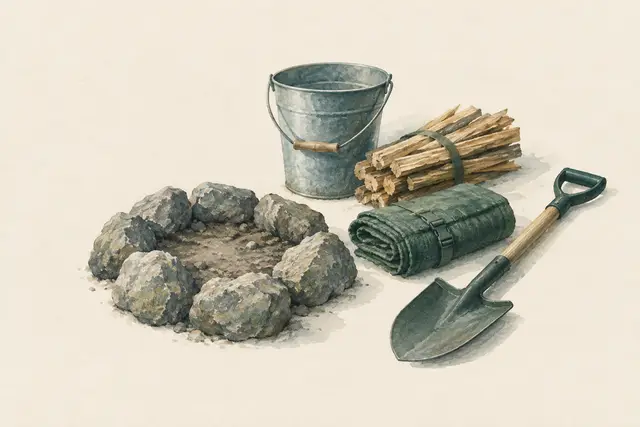
Choosing and preparing a safe fire site
A campfire can start a wildfire through flying sparks, an unsuitable fire site or incomplete extinguishing. First establish whether a fire is allowed at all; then use an existing fire ring or choose a sheltered, open spot on non-flammable ground – well away from tents, trees and dry vegetation.
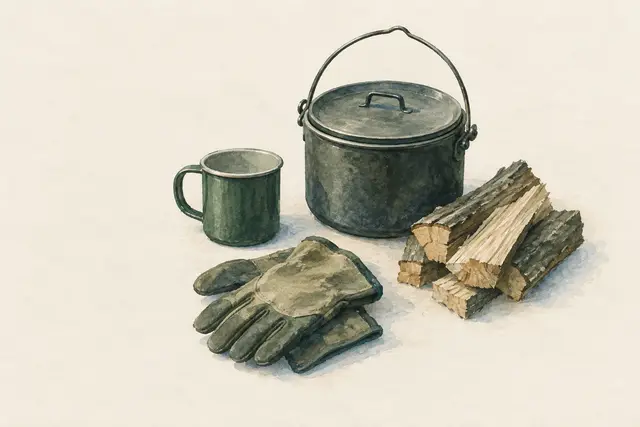
Cooking and boiling water safely over a fire
Cooking works best over embers, not high flames: the heat is more even, the pot gets less sooty and stands more stably. The biggest risks are pots of boiling water tipping over, hot handles and unsuitable containers.
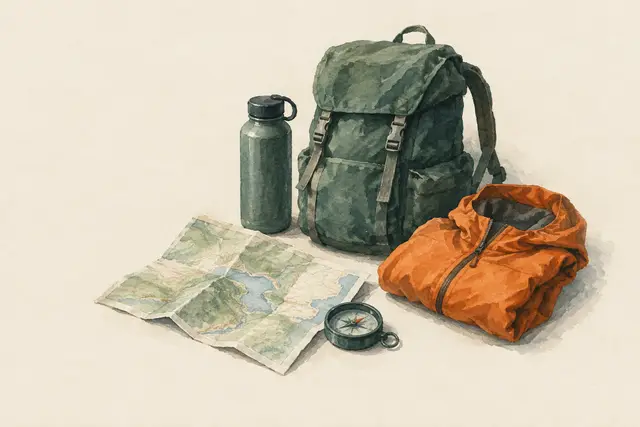
Lost: the STOP rule
When you realise you have lost your way, stop immediately instead of carrying on. STOP stands for Stop, Think, Observe, Plan. It is often safer to stay at an easy-to-find place, especially if someone knows your trip plan.
Every entry goes through a documented review process. Its status is visible on every page.
No invented sources, experts, test results or ratings.
Medical and safety-critical content requires expert approval.